Overview
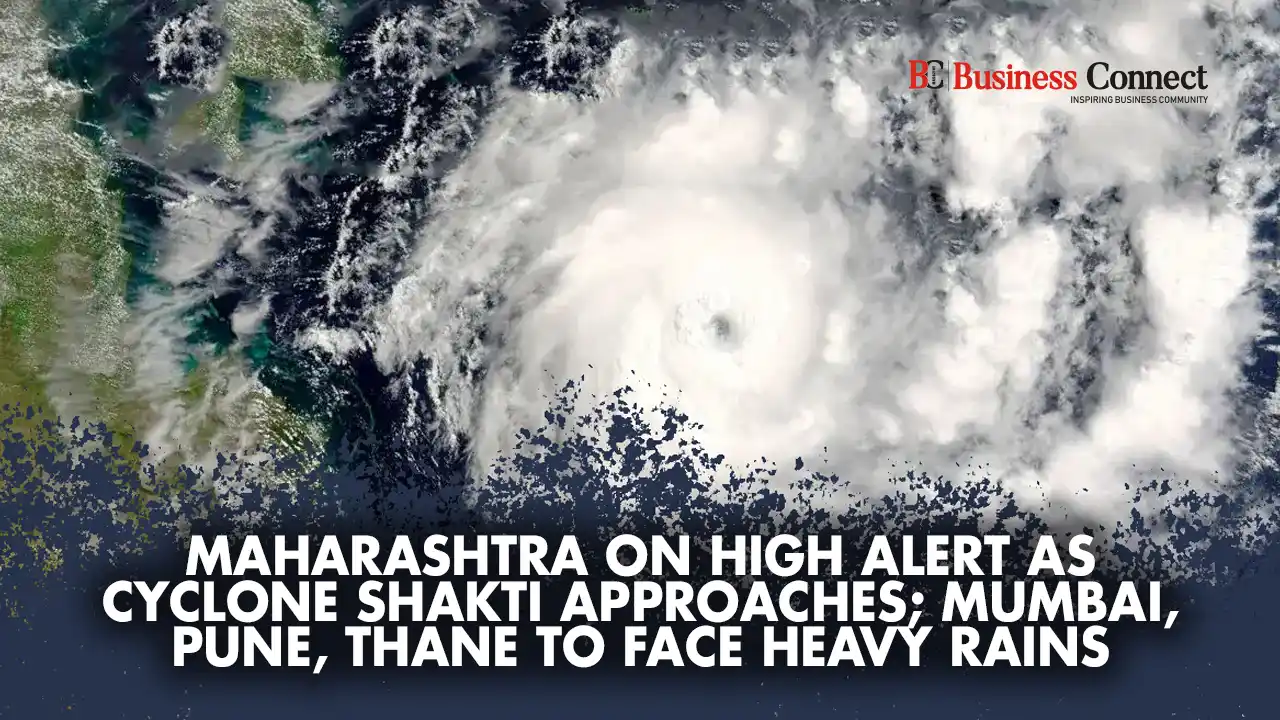
As Cyclone ‘Shakti’ forms in the Arabian Sea, the India Meteorological Department has issued an alert for Maharashtra, predicting strong gusts, heavy rain, and choppy seas until October 7. Coastal areas, like as Thane and Mumbai, are on high alert, and fishermen are urged not to go out. The state administration has urged people to be prepared by turning on evacuation plans and disaster management systems.
As Cyclone ‘Shakti’ forms in the Arabian Sea, the India Meteorological Department (IMD) has issued an alert for Maharashtra, warning of heavy rain, strong gusts, and choppy seas in the days ahead. State officials have prepared evacuation plans and activated crisis management systems in response to the alert, which includes a number of interior and coastal areas.
Cyclone ‘Shakti’ Warning Issued by IMD for Mumbai, Thane, Palghar, and Other Coastal Districts
The IMD statement states that the cyclone warning will be in force through October. A high to moderate alert has been issued for the districts of Mumbai, Thane, Palghar, Raigad, Ratnagiri, and Sindhudurg. Yesterday, October 3, winds of 45 to 55 kmph with gusts of up to 65 kmph were recorded along the northern Maharashtra coast.
The government has warned that depending on how the cyclone develops, wind speeds might increase. Warnings have been issued for coastal towns to stay on high alert due to the extremely dangerous sea conditions that have already been observed.
The coastline of Maharashtra is expected to see extremely rough sea conditions.
The IMD has emphasized that till at least October 5th, sea conditions around Maharashtra’s northern coast are predicted to be exceedingly hazardous. High waves and strong currents have warned fishermen against going out to sea because they might endanger lives. Residents along the coast have also been advised to be on the lookout for waterlogging and tidal surges, especially in low-lying regions.
Forecast for Heavy to Very Heavy Rainfall in Maharashtra’s Interior
The IMD has forecast severe to very heavy rains throughout interior areas in addition to the immediate hazard near the coastline. While North Konkan is vulnerable to floods in low-lying regions because of moisture infiltration and dense cloud formation, East Vidarbha and portions of Marathwada are expected to have severe rainfall. Roadblocks, possible agricultural damage, and disruptions to everyday life might result from such circumstances.
The Maharashtra government activates its evacuation plans and disaster management systems.
The Maharashtra government has advised district administrations to remain well equipped to handle any emergency in light of the warnings. In addition to issuing prompt public advisories, authorities have been requested to activate crisis management systems and prepare evacuation plans for residents of coastal belts and flood-prone areas.
In order to respond quickly to calamities, local administrations have also been instructed to set up shelters, make sure medical services are accessible, and cooperate with the National Disaster Response Force (NDRF), police, and fire department.
Coastal Communities and Fishermen Are Encouraged to Exercise Extra Caution
Fishermen have received one of the most critical cautions. Authorities have issued a warning not to go into the Arabian Sea as it is becoming rough and the storm is expected to get worse. Those already at sea have been urged to return right away, and boats have been instructed to stay moored. Residents along the coast have also been advised to keep a careful eye on official updates, stock up on necessities, and stay indoors during periods of heavy rain.
Cyclone ‘Shakti’ May Affect Mumbai and Other Cities’ Daily Lives
The storm may bring heavy rains to Mumbai and its surrounding cities, which might interfere with daily activities, create waterlogging in places that are susceptible, and disrupt transportation services. Travelers have been advised to carefully plan their routes, stay indoors during periods of intense rain, and pay close attention to any municipal warnings about road closures or floods.
As Cyclone ‘Shakti’ approaches, authorities emphasize readiness and caution.
Although Cyclone ‘Shakti”s precise path will be known in the next several days, officials emphasize that readiness and vigilance are crucial. The public and local authorities have been urged to stay vigilant due to the likelihood of heavy rain, high gusts, and choppy seas.
FAQ: Cyclone Shakti Alert in Maharashtra
1. What is Cyclone ‘Shakti’?
Cyclone ‘Shakti’ is a tropical storm forming in the Arabian Sea, expected to bring heavy rains, strong winds, and rough seas to Maharashtra from October 4–7.
2. Which areas in Maharashtra are likely to be affected?
The IMD has issued alerts for coastal and interior districts, including Mumbai, Thane, Palghar, Raigad, Ratnagiri, Sindhudurg, and interior regions like East Vidarbha and Marathwada.
3. What are the expected weather conditions?
-
Coastal areas: Strong gusts up to 65 kmph, high waves, and dangerous sea conditions.
-
Interior regions: Heavy to very heavy rainfall, possible flooding, waterlogging, and roadblocks.
4. What precautions are advised for coastal communities?
-
Residents should stay indoors during heavy rain.
-
Avoid going near the coast or tidal areas.
-
Stock up on essentials and monitor official updates.
-
Evacuation plans and disaster management systems are active.
5. What instructions have been issued for fishermen?
Fishermen are urged not to go out to sea due to rough conditions. Boats should remain moored, and those at sea must return immediately.
6. How is the Maharashtra government preparing?
-
Evacuation plans activated for coastal and flood-prone areas.
-
Disaster management systems and shelters are on standby.
-
Coordination with NDRF, police, and fire services for emergencies.
7. How might daily life in cities like Mumbai be affected?
Heavy rains may cause waterlogging, transport disruptions, and traffic delays. Residents and travelers are advised to plan accordingly and follow municipal advisories.
8. How long will the alert remain in effect?
The IMD alert is active until at least October 7, with high caution advised especially from October 4–5 for coastal areas.
9. What should the public do to stay safe?
-
Stay updated via official IMD and government channels.
-
Avoid unnecessary travel during heavy rainfall.
-
Follow evacuation instructions if issued by local authorities.
-
Keep emergency supplies and medical kits ready.
10. When is Cyclone ‘Shakti’ expected to make the strongest impact?
The cyclone is predicted to peak between October 4 and 7, with the highest risk for coastal areas like Mumbai, Thane, and Palghar during this period.
11. What are the risks for low-lying and flood-prone areas?
Low-lying areas may face waterlogging, urban flooding, and property damage. Interior regions may experience roadblocks and agricultural damage due to heavy rainfall.
12. How dangerous are the sea conditions?
The sea around Maharashtra’s northern coast is expected to be extremely rough, with high waves, strong currents, and choppy waters making it unsafe for fishing or travel by boat.
13. Are schools and public offices likely to be affected?
Authorities may close schools, colleges, and government offices in affected areas if heavy rainfall or flooding occurs. Citizens are advised to check local government announcements.
14. What should travelers do during Cyclone ‘Shakti’?
-
Avoid unnecessary travel, especially near coastal areas.
-
Check for road closures and public transport disruptions.
-
Keep alternate routes and emergency contacts ready.
15. How is the disaster management system responding?
-
Local administrations have activated emergency response teams.
-
Shelters, medical services, and relief operations are prepared.
-
NDRF, fire departments, and police are on standby for rescues and evacuations.
16. Will power and communication services be affected?
Heavy winds and rain may lead to temporary power outages and disrupted communication. Residents should keep flashlights, power banks, and essential supplies handy.
17. How can residents receive official updates?
-
Follow updates from the India Meteorological Department (IMD).
-
Monitor state and district government advisories via official apps, websites, or local media.
-
Listen to radio and TV alerts for real-time information.
18. How long could the effects of Cyclone ‘Shakti’ last?
While the cyclone itself is expected to last until October 7, flooding, waterlogging, and rough sea conditions may persist for several days in coastal and low-lying areas.
19. What immediate steps should households take?
-
Secure rooftops, windows, and outdoor items.
-
Ensure emergency food, water, and medical supplies are ready.
-
Keep family members informed and follow evacuation orders if issued.
20. How can fishermen stay safe?
-
Avoid going out to sea entirely until the storm subsides.
-
Return immediately if already at sea.
-
Keep vessels safely moored and avoid risky coastal activities.
Add Business Connect magazine to your Google News feed
Must Read:-
- Larry Ellison of Oracle Suddenly Overtakes Elon Musk as the Richest Person in the World
- Top 10 Richest Comedians In India
- Top 10 Richest Pakistani Actress in 2025 – Who Is Your Favorite?
- Majhi Ladki Bahin Yojana 2025: Benefits, Registration & KYC Guide
- Mukhyamantri Majhi Ladki Bahin Yojana: Empowering Women in Maharashtra