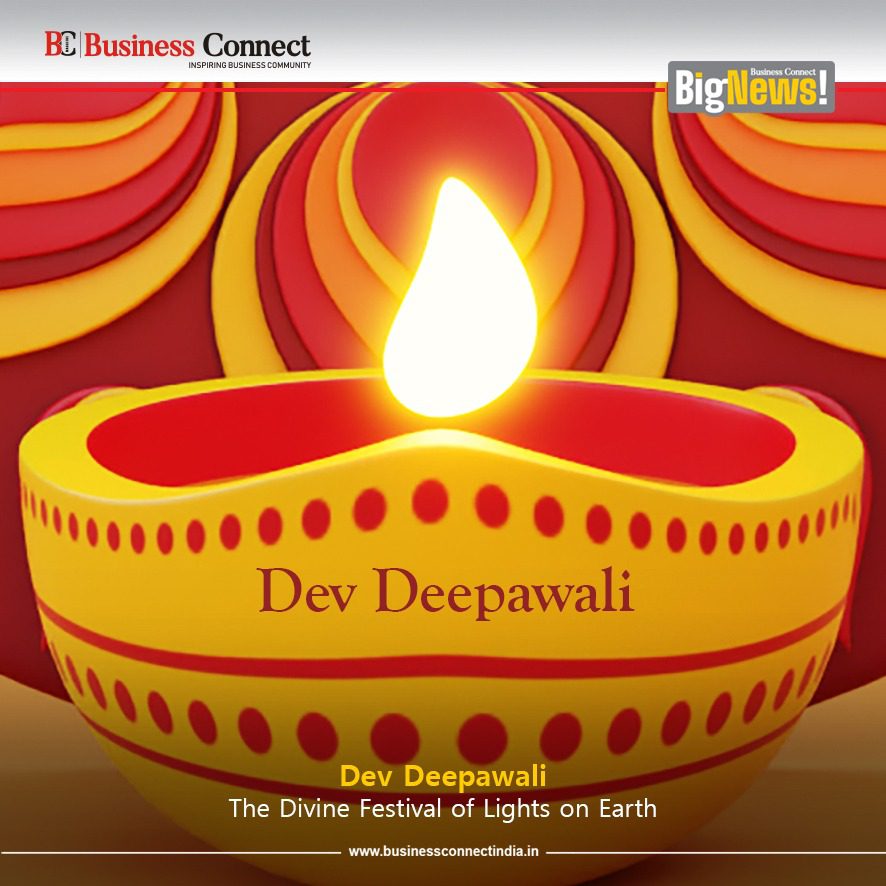
Dev Deepawali, popularly known as “Diwali of the Gods,” is an enchanting Hindu festival that sets up the night as a glittering spectacle of lamps and spiritual energy. Celebrated on the full moon night of Kartik Purnima, which falls on November 5, 2025, this day, considered propitious, signifies the 15th lunar day after Diwali and gains special popularity in Varanasi, where the Ganges ghats burst into millions of diyas, or earthen lamps. As the gods are believed to come down on Earth for a holy dip in the sacred river, the festival is symbolic of victory-the victory of divine light over darkness-and invites devotees into such rituals which will help the human soul bridge the gap between the mortal and immortal realm.
Dawn of Dev Deepawali: How the Festival Begins
The magic of Dev Deepawali begins at the break of dawn, setting a tone of purity and devotion for the entire day. The day starts with the holy ritual of Kartik Snan-a pre-dawn bath in the holy waters of the Ganges or any flowing river. Devotees get up before the sun rises (ideally during Brahma Muhurta, which falls at around 4-5 AM) to plunge themselves into the chilled waters, chanting mantras to seek purification of body and soul. This is not just a physical cleaning of the body but spiritual rejuvenation aimed at washing off sins committed during the year and preparing the self for the divine arrival.
The sun rises, and the day proceeds to get ready for its evening grandeur. Houses and temples wear rangolis with rice flour and flowers, while markets bustle with the selling of eco-friendly diyas made out of cow dung or biodegradable materials. In Varanasi, the epicenter of celebrations, boats laden with lamps start their crossing of the river by mid-afternoon in anticipation of the twilight illumination that would follow, starting with the moonrise bath of silvery light. Thus, the start of the festival is a harmonious blend of quiet introspection at dawn and communal excitement as the day progresses.
Auspicious Rituals: What to Do on This Sacred Day
Dev Deepawali is, therefore, a beckoning call to spiritual seekers-a codified set of rituals that one can easily follow, whether they are on the bustling ghats of Varanasi or in some quiet corner of their house. Here’s a guide to embracing the day’s blessings:Morning Bath and Prayers: Begin the day with Kartik Snan as mentioned, then perform a simple puja at home. Offer bilva leaves and milk to Lord Shiva, reciting the “Om Namah Shivaya” mantra 108 times for inner peace and protection.
Daytime Devotion: One should ideally fast during the day and spend time meditating or reading holy scriptures like the Shiva Purana. Prepare sweets such as kheer or halwa in advance, to be used as prasad to share with family and neighbors, spreading brotherhood and gratitude.
Evening Lamp-Lighting: The soul of the festival starts after sunset (at approximately 5:15 to 7:50 PM in Varanasi). Light 11, 21, or 51 diyas in a circular shape near a water body or Tulsi plant, depicting eternal light, which represents the light of wisdom. In Deep Daan, gently float the lamp on the river and make a wish for prosperity, invoking Ganga’s blessings during immersion.
Grand Aarti and Feasts: Join or perform the Maha Aarti at a temple or ghat, where priests wave brass lamps amid chants and bells. Conclude with a sattvic meal of fruits, dairy, and sweets, avoiding non-vegetarian food to honor the day’s sanctity. For those who cannot travel, virtual participation through live streams from Dashashwamedh Ghat enables participation by devotees around the world. These rituals will amplify not only personal devotion but also add to the collective energy that lights up the night sky.
The Eternal Glow: Why Dev Deepawali is Famous in Hindu Religion
In the tapestry of Hindu traditions, Dev Deepawali shines as a profound emblem of cosmic victory and divine benevolence. Rooted in ancient mythology, it celebrates Lord Shiva’s destruction of the three demon cities, Tripura, built by the asura Tripurasura, with a single arrow on Kartik Purnima. This act of Shiva, known as Tripurasamhara, represents the ultimate conquest of adharma by dharma, echoing the broader theme of light dispelling ignorance—a motif central to festivals like Diwali.
What really makes Dev Deepawali special, however, is the belief that this is a night when gods, sages, and celestial beings come down to Earth, especially to Varanasi or Kashi, to join in the revelry and take a dip in the Ganges. As more than 2 million diyas light up the riverbanks on this unparalleled sight, the city of 84 ghats has been turned into a heavenly abode, drawing the attention of pilgrims and tourists for centuries together. In Hindu cosmology, this event underlines the role of Ganga as a purifier and connector between worlds, and places Varanasi as the spiritual vortex where the earthly and the divine converge.
Besides mythology, the festival advocates ecological harmony-modern-day celebrations emphasize ‘sustainable’ practices like cow-dung diyas to cut down pollution-and cultural unity, where people from different backgrounds come together in aartis and fireworks. It reminds Hindus of the impermanence of life and the imperishable power of devotion, hence bringing joy, reflection, and renewal in an ever-changing world. As the lamps flicker out and the stars take over, Dev Deepawali leaves an indelible spark-a reminder that within each of us burns a divine light, waiting to illuminate the path ahead.
Add Business Connect magazine to your Google News feed
Must Read:-
-
Success Story of Arattai: The Indian messaging app
- Meet the 20 Richest People on the Planet in 2026
- Top 10 Richest Comedians In India
- Top 5 richest families in Bollywood
- Top 10 Richest People in the World Living with Disabilities
- Magicians of music: Top 10 richest Indian Music Directors in 2025
- Not Just Pretty Faces, These Bollywood Actresses Are Successful Entrepreneurs Too