
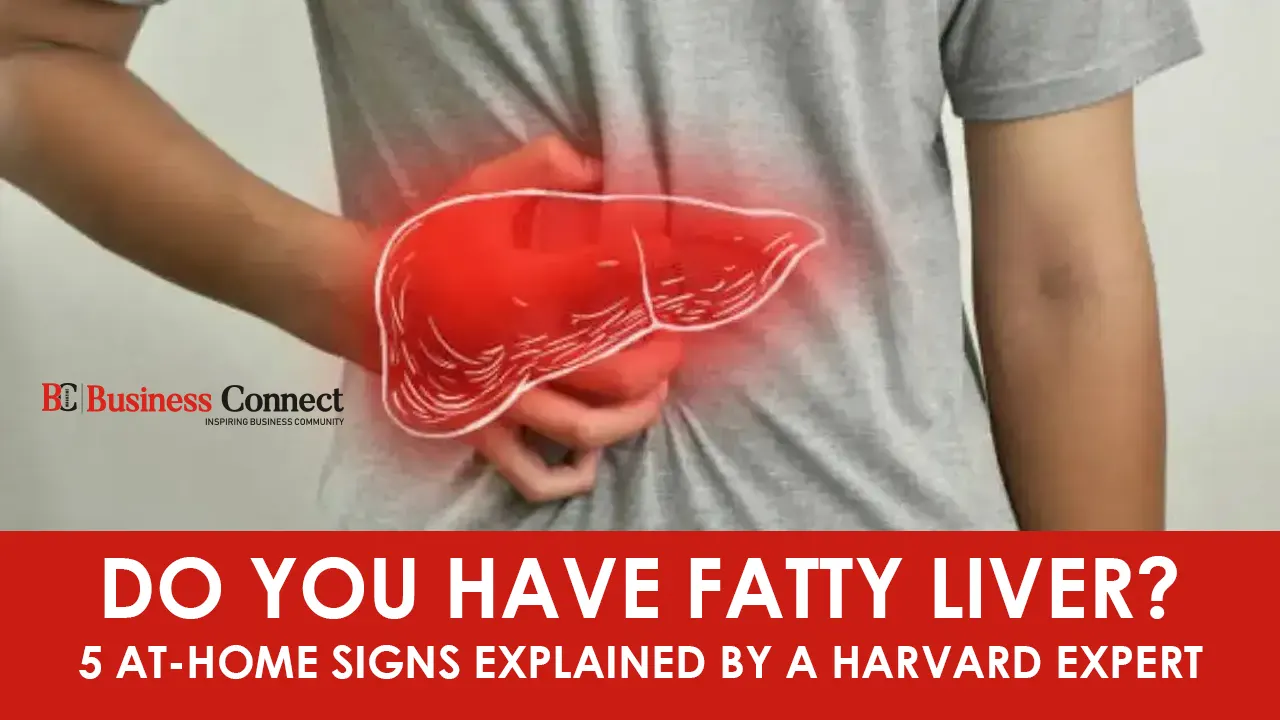
Fatty Liver Signs You Can Spot at Home
Fatty liver disease occurs when excess fat builds up in the liver, often without noticeable symptoms in its early stages. Because it can progress silently, identifying warning signs at home may help prevent serious complications later. According to a TOI report, Dr Saurabh Sethi, a gastroenterologist trained at Harvard and Stanford, highlights five common signs of fatty liver disease that can be observed without medical tests.
1. Unexplained Weight Gain Around the Abdomen

One of the earliest indicators of fatty liver disease is increased fat around the waistline that doesn’t align with overall weight gain. Dr Sethi explains that when the liver becomes overloaded with fat, it struggles to metabolise it efficiently, leading to fat storage around the abdomen. This process can also contribute to insulin resistance. If your waistline is expanding despite no major changes in diet or physical activity, it may be a sign of liver stress and warrants medical evaluation.
2. Persistent Fatigue

Constant tiredness—even after adequate sleep—can be another subtle warning sign. The liver plays a vital role in energy metabolism, and fat accumulation reduces its efficiency. According to Dr Sethi, this fatigue is often overlooked but may indicate poor toxin clearance and liver strain. Unexplained, long-lasting exhaustion should not be ignored.
3. Discomfort Below the Right Rib Cage

The liver is located just beneath the right rib cage. Inflammation or swelling caused by fatty liver disease can result in a dull ache or feeling of fullness in this area. While not usually sharp or severe, the discomfort may persist and worsen after meals or physical activity. When combined with other symptoms, this can help point toward early liver issues.
4. Changes in Skin and Hair

Fatty liver disease can affect skin and hair due to impaired detoxification and hormonal imbalance. Common external signs include:
-
Dry or itchy skin and unexplained rashes
-
Yellowing of the skin or eyes in advanced stages
-
Increased acne or breakouts
-
Hair thinning or excessive hair loss
Dr Sethi notes that sudden skin problems or hair changes without an obvious cause could be linked to liver dysfunction.
5. Nausea and Loss of Appetite

Digestive issues may also signal fatty liver disease. When the liver struggles to perform its role in digestion, it can lead to mild nausea, bloating, or reduced appetite. These symptoms often appear without typical stomach-related problems. Persistent digestive discomfort alongside other signs should prompt a liver health check.
Why Early Detection Matters
Spotting fatty liver disease early can help prevent serious outcomes such as liver inflammation, fibrosis, or cirrhosis. Monitoring changes in weight distribution, energy levels, digestion, and skin or hair health can be an important first step. Experts stress that timely medical advice, along with lifestyle changes such as a balanced diet, regular exercise, and limiting alcohol intake, plays a key role in managing and reversing fatty liver disease.
FAQs: Fatty Liver Signs You Can Spot at Home
Q1. What is fatty liver disease?
Fatty liver disease occurs when excess fat accumulates in liver cells. It often develops silently in its early stages and can progress to serious conditions like inflammation, fibrosis, or cirrhosis if left untreated.
Q2. Can fatty liver disease be detected at home?
While fatty liver disease cannot be diagnosed at home, certain warning signs—such as abdominal weight gain, fatigue, digestive issues, and skin changes—can indicate liver stress and signal the need for medical evaluation.
Q3. Is belly fat a sign of fatty liver disease?
Yes, unexplained weight gain around the abdomen may be an early sign. When the liver struggles to process fat efficiently, excess fat can accumulate around the waist, often alongside insulin resistance.
Q4. Why does fatty liver cause constant fatigue?
The liver plays a crucial role in energy metabolism and toxin removal. Fat buildup reduces its efficiency, which can lead to persistent tiredness even after adequate rest.
Q5. Does fatty liver cause pain or discomfort?
Fatty liver disease may cause a dull ache or feeling of fullness below the right rib cage due to liver inflammation or swelling. The discomfort is usually mild but persistent.
Q6. Can fatty liver affect skin and hair?
Yes. Impaired detoxification and hormonal imbalance linked to liver dysfunction can cause dry or itchy skin, unexplained rashes, acne flare-ups, yellowing of the skin or eyes in advanced stages, and hair thinning or hair loss.
Q7. Are nausea and loss of appetite linked to fatty liver?
Digestive symptoms such as mild nausea, bloating, and reduced appetite can occur when the liver struggles to support digestion. These symptoms often appear without typical stomach disorders.
Q8. When should you see a doctor for fatty liver symptoms?
If you notice persistent fatigue, abdominal weight gain, digestive discomfort, or unexplained skin and hair changes, it is important to consult a doctor for liver function tests or imaging.
Q9. Why is early detection of fatty liver disease important?
Early detection helps prevent serious complications like liver inflammation, fibrosis, or cirrhosis. Fatty liver disease is often reversible in its early stages with timely intervention.
Q10. Can lifestyle changes reverse fatty liver disease?
Yes. Experts recommend a healthy diet, regular physical activity, weight management, avoiding alcohol, and managing blood sugar levels to improve liver health and potentially reverse fatty liver disease.
Q11. Can fatty liver occur in people who don’t drink alcohol?
Yes. Non-alcoholic fatty liver disease (NAFLD) is common and can occur due to obesity, poor diet, diabetes, insulin resistance, or a sedentary lifestyle—even in people who do not consume alcohol.
Q12. Is fatty liver disease reversible?
In its early stages, fatty liver disease is often reversible. Lifestyle changes such as weight loss, regular exercise, a balanced diet, and reduced sugar and fat intake can significantly improve liver health.
Q13. What foods should be avoided if you suspect fatty liver?
Foods high in sugar, refined carbohydrates, fried items, processed foods, and sugary beverages should be limited. Excess alcohol should also be avoided to reduce liver strain.
Q14. Which foods help improve liver health?
A diet rich in fruits, vegetables, whole grains, lean protein, nuts, seeds, and healthy fats like omega-3s can support liver function. Drinking enough water also helps detoxification.
Q15. Can fatty liver cause weight loss instead of weight gain?
In some cases, advanced liver disease may lead to loss of appetite and unintended weight loss. However, early fatty liver is more commonly associated with abdominal weight gain.
Q16. Are thin people at risk of fatty liver disease?
Yes. Even people with a normal body weight can develop fatty liver disease due to genetic factors, poor diet, insulin resistance, or metabolic disorders.
Q17. How is fatty liver disease diagnosed by doctors?
Doctors typically use blood tests, ultrasound, CT scans, or MRI to assess liver fat and function. In rare cases, a liver biopsy may be recommended.
Q18. Does stress contribute to fatty liver disease?
Chronic stress can indirectly contribute by increasing cortisol levels, encouraging unhealthy eating habits, and worsening insulin resistance, which may affect liver health.
Q19. How long does it take to improve fatty liver with lifestyle changes?
With consistent diet and exercise changes, improvements in liver fat and enzyme levels can be seen within a few months. Results vary based on severity and individual health conditions.
Q20. Can fatty liver disease turn into cirrhosis?
Yes, if left untreated, fatty liver disease can progress to inflammation (steatohepatitis), fibrosis, and eventually cirrhosis. Early detection greatly reduces this risk.