

In today’s world, health insurance is an essential aspect for every individual. It acts as a safety net against unexpected medical crises.
However, various features of health insurance are available, of which a mediclaim card is particularly beneficial. This blog will delve into a detailed explanation of what a mediclaim card is and how it works to make hassle-free hospitalisation. In India, initiatives like the Abha Card (Ayushman Bharat Health Account) are also gaining importance as digital health IDs that simplify access to healthcare services.
What is a Mediclaim Card?
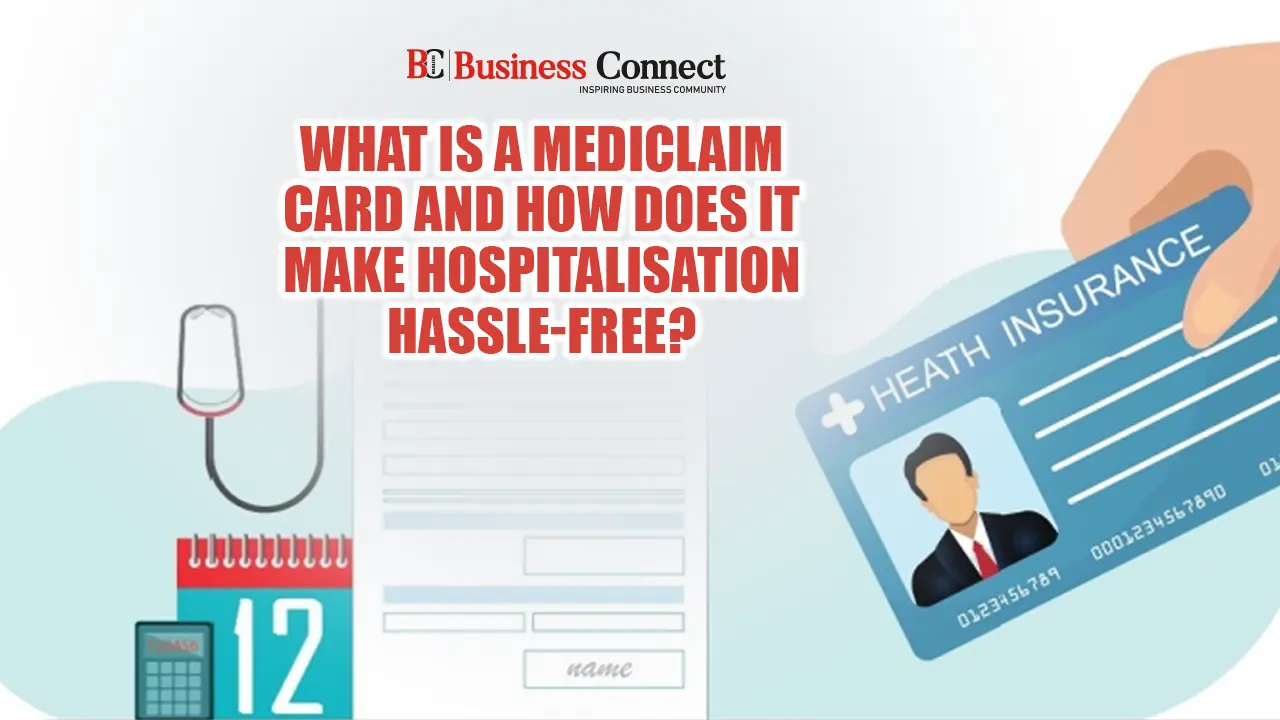
A mediclaim card, also known as a health insurance card, is a document that serves as proof of your health insurance coverage. It contains key information like your name, policy number, and other details of the insurer.
This particular document enables you to access healthcare services, particularly cashless treatments at network hospitals. Essentially, it streamlines the process of identifying you as a policyholder and verifying your eligibility for insurance benefits.
What are the Benefits of a Mediclaim Card?
Let us discuss the benefits of a mediclaim card in detail:
1. Facilitates Cashless Hospitalisation
With a health card, you can receive treatment at network hospitals without needing to pay any upfront costs. After discharge, your insurance company will directly settle your hefty medical bills with the hospital for covered services.
2. Provides Easy Access to Your Health Insurance Details
The card contains crucial information like name, policy details, and other details of the insurance plan. One of the prime advantages of having a mediclaim policy card is that this information is readily available when you need it, simplifying the process of claiming your benefits.
3. Streamlines Claim Processing
Hospitals can quickly verify your policy details and eligibility for treatment by simply using the information on your health card. This significantly reduces paperwork and administrative hassles, leading to faster claim settlements.
4. Acts as a Convenient form of Identification
A mediclaim e-Card serves as an authorised proof of your health insurance coverage. It simplifies all the various types of verification processes at hospitals or any healthcare facilities that are covered under your policy.
5. Offers Ease and Convenience
Carrying a compact health card is far more convenient than carrying bulky policy documents. Additionally, it simplifies and makes it convenient to access top healthcare services during cases of medical emergencies.
6. Enables Quick Contact with Your Insurance Provider
Many health insurance cards contain the contact information of the insurance company, such as helpline numbers. This makes it easier for you or other policyholders to reach out for assistance or questions.
7. Helps Track Policy Validity
A mediclaim card typically displays the expiration date of your chosen policy. It reminds you when to renew it so that you can enjoy continuous coverage. Additionally, it stores your medical history, prescriptions, and diagnostic reports.
How to Use a Health Insurance Card?
Now, as you know, the benefits of a health card, learn how to use it for a hassle-free hospitalisation process. These are the steps you need to follow for a cashless treatment at network hospitals:
1. Choose a Network Hospital
The first step of using a mediclaim card is to select a hospital that is a part of your policy’s network. Most insurance companies provide a broader list of network hospitals on both their official website and mobile app. Additionally; it is advisable to select a hospital from the preferred list to ensure a smooth claim process.
2. Inform the Insurer and Hospital
In case of planned treatments, it is crucial to inform the hospital and your insurance company at least a few days before. You can also inform them after filling out the pre-authorisation form. This is easily available at the insurance company’s website or the hospital’s desk.
3. Submit the Health Card and Pre-Authorisation Form
After admission, you are required to submit your medical claim policy card and other documents as requested by the hospital authority. On the pre-authorisation form, you need to fill in the details, which outline the details of your medical condition and the required treatment.
4. Wait for Approval
The insurer will evaluate the pre-authorisation form and will eventually approve the treatment option if it is covered under your chosen policy. In case of critical medical emergencies, this process does not take more than the required time.
5. Cover for Exclusions
There may be some expenses which your insurance company will not cover, so you have to pay those expenses. These include personal expenses, certain consumables, or exclusions that are mentioned in your chosen policy.
6. Discharge and Final Settlement
On submitting all the essential documents, your hospital will send the final bill to your insurance company. After this, the insurer will settle the bills directly with the hospital for all covered expenses. This whole process ensures minimal financial stress for any patient and their family members during hospitalisation.
Conclusion
A mediclaim card is a vital tool during emergencies, which allows the insurer to pay the bills directly to the hospital. Additionally, it simplifies the claim process and ensures faster settlements. Most of the companies that offer health insurance policies provide a health card and a cashless hospitalisation feature.
Reference Links
https://www.nivabupa.com/health-insurance-articles/importance-of-health-card.html
| Content Checklist: | Version 2.0 |
| Level 1 | |
| Copyscape Premium Verification | 100% Passed |
| Grammarly Premium Score | 94 |
| Readability Score | 41.9 |
| Primary Keyword Usage | 9 Times |
| Secondary Keyword Usage | All Used Except 1 |
| Highest Word Density | The – 5.25% |
| Data/Statistics Validation Date | 17/08/2025 |
| Level 2 | |
| YOAST SEO Plugin Analysis | 5 Green, 1 Red |
| Call-to-action Tone Integration | Done |
| LSI Keyword Usage | Incorporated |
| Level 3 | |
| Google Featured Snippet Optimisation | NA |
| Content Camouflaging | NA |
| Voice Search Optimisation | NA |
| Generic Text Filtration | Done |
| Content Shelf-life | 12+ Months |
