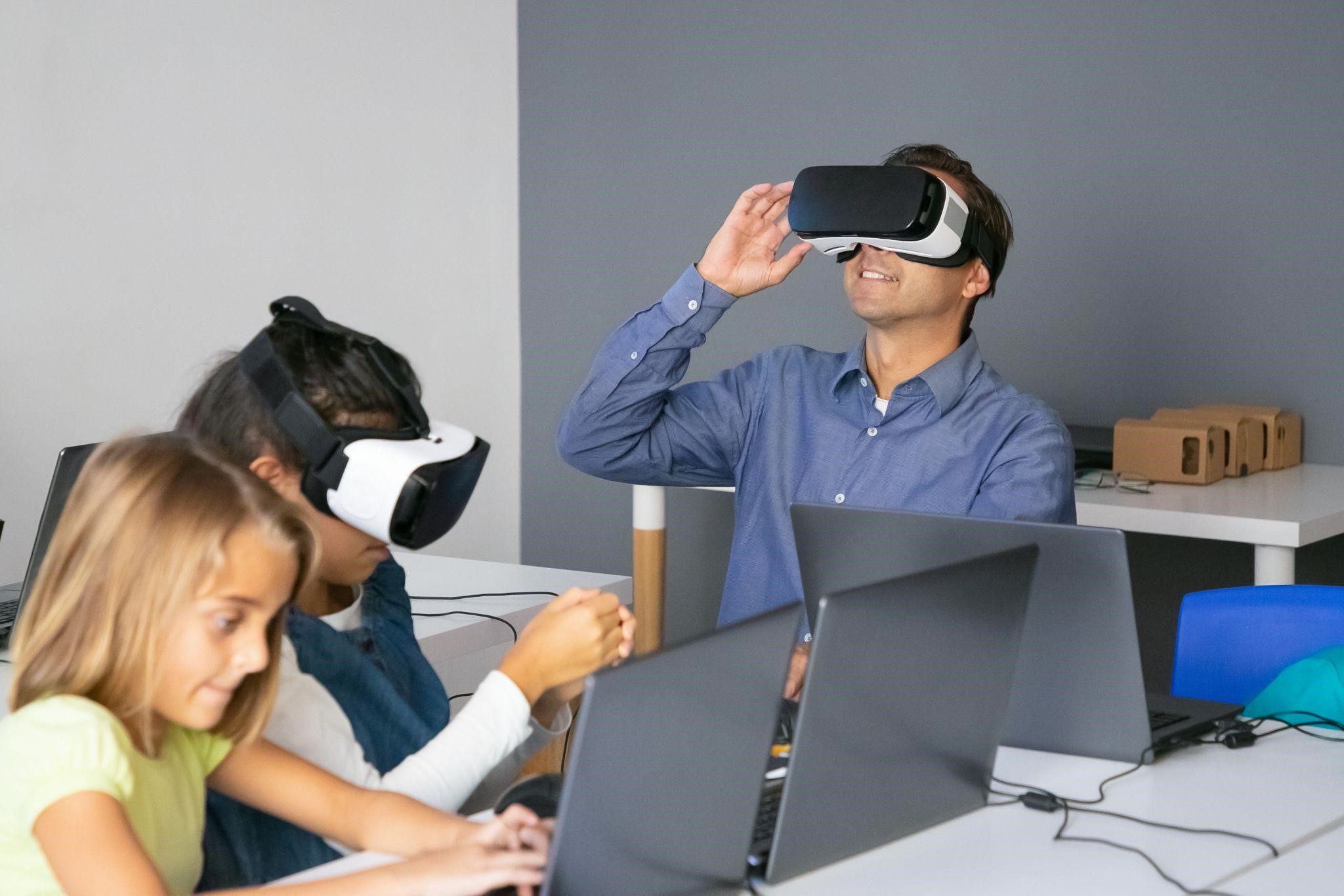
Learning that crosses borders is influenced by culture, humor, and the little details that make knowledge meaningful. A lesson might be flawless on PowerPoint slides, but if it is not designed according to the requirements and culture of the learners, then all efforts in designing the game-based learning module become useless.
Even courses that contain immense knowledge and vocabulary can leave learners feeling lost or disconnected, often when a joke, cultural reference, or game mechanic lands strangely. Therefore, in such a situation, taking the assistance of a game localization agency becomes inevitable.
What Localization Really Means in Digital Learning
When people hear ‘localization,’ they usually imagine words shifting on a screen. In reality, that’s just the tip of the iceberg. Good localization goes beyond replacing text. It reshapes scenarios, refines examples, and sometimes rewrites how a task is framed so that someone halfway around the world feels it’s meant for them. In game-based learning, this isn’t optional. Cultural cues matter a lot in gameplay; even the way you structure goals or rewards can feel strange if not adapted.
Imagine a geography quiz in a game that uses baseball references to teach directions. That might work for some learners, but for others, it’s a meaningless metaphor. A deep localization process recognizes this kind of nuance and adjusts to preserve intention without sacrificing meaning.
Why Game-Based Learning Demands Special Attention
Games might seem universal because everyone ‘plays,’ but that assumption is misleading. Each culture reads rules, symbols, and rewards differently. Games carry implicit rules and symbols that vary by culture. A thumbs-up icon might be fine in one region and offensive in another. A score tied to aggressive competition might feel exciting in some places and stressful in others where collaboration is prized.
Digital learning that uses games must consider the emotional experience of the players. Is the game encouraging? Does it match the pacing learners expect? For instance, a rapid-fire challenge might thrill a group of adults but hinder the confidence of learners from cultures that prefer methodical exploration. To navigate this, teams must listen deeply to their audience, not just translate their words but also interpret their experience.
Behind the Scenes: What Localization Teams Actually Do
Localization teams often do the behind-the-scenes work that makes global learning feel seamless. They’re not just turning lines from language A into language B; they’re cultural interpreters, gameplay analysts, and constant problem solvers.
The process starts with deep research into target cultures. Localization experts collaborate with educators and developers to review every element that might feel foreign, including text, user interface, images, music, the tone of narration, and even color choices. They then map these against cultural expectations. It’s immersive work and often iterative.
Language Isn’t Just Words—It’s Feeling
Anyone can translate terms; what’s more elusive is preserving tone. In learning games, tone shapes engagement. A friendly, encouraging style might light up a student in one community, while in another, such an approach might sound insubstantial or even infantilizing. Legitimate localization finds the right voice.
Engagement drops off when learners feel spoken at rather than spoken with. In casual conversation, you catch yourself adjusting your words to match who you’re talking to. Localization does the same for learning platforms. It tunes narratives, adjusts humor, and even changes how educational feedback is delivered, so learners feel supported rather than lectured.
For example, in a language game, if incorrect answers are met with playful banter in the original version, that might be motivating. Elsewhere, learners might prefer respectful, direct hints. Without adapting that tone, you risk undermining confidence, ironically, the thing learning games aim to build.
The Tech Side: Tools With a Heart
Advanced tools alone don’t solve localization challenges; their value depends on the humans guiding them. Modern pipelines include systems that allow teams to swap content rapidly, test versions with actual users, and analyze engagement patterns. These add speed and scale, but they don’t replace cultural judgment. Learning platforms that get this right don’t stop at translation tools. They build feedback loops with real users and keep refining. They acknowledge early assumptions are often wrong and treat user feedback as gold rather than noise. This is where the payoff shows up.
How Localization Changes Learning Outcomes
Learners who engage with content that feels familiar participate actively, exchange ideas, and stick with the program longer, and the shift isn’t small. In several international programs I’ve studied, localized versions saw completion rates significantly outperform the original, unadapted ones. And it wasn’t just numbers. Learners wrote in, expressing that they finally felt seen by the platform. That kind of response is rare. A program built around cultural empathy becomes not just an educational tool but a companion in learning.
Working With Partners Who Understand This
Choosing the right localization partners matters when your goals extend globally. Literal translations are easy. The real value comes from teams that dive into context, test thoroughly, and treat every adaptation like a craft. This is when working with a thoughtful, experienced group, whether your project calls on a niche team or the best translation company that values cultural nuance.
One standout agency that comes up frequently in industry circles is MarsTranslation, a partner known for tackling both language and culture deeply. Their approach often blends data with human insight, which makes a noticeable difference in learning reception and retention.
Final Thoughts
Game-based learning, when designed with cultural intricacies, can become one of the most powerful tools for global education. It’s not about converting content. It’s about welcoming every learner into a space where they feel at home and learn and retain information without any difficulty, and that kind of digital learning makes a real impact in disseminating the knowledge.