
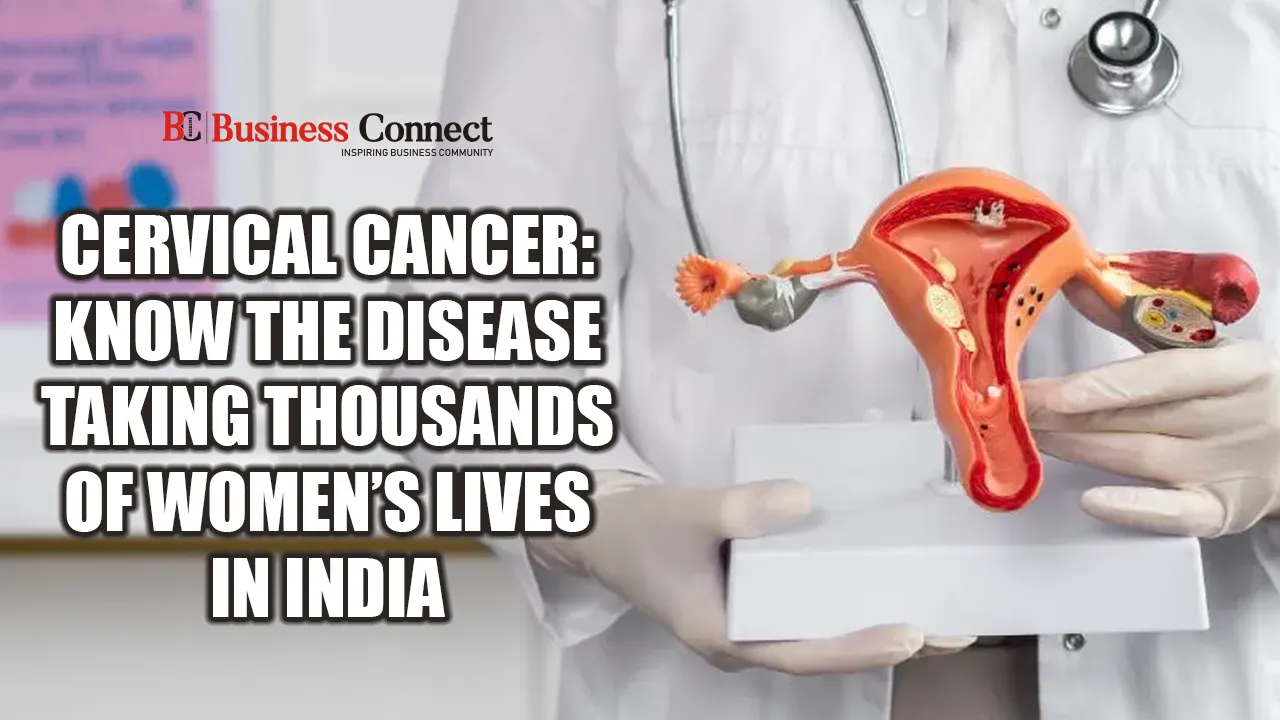
Ranked as one of the most common cancers among women in India, cervical cancer accounts for almost 18% of all cancer cases in Indian women, with 120,000 new cases diagnosed every year. Although this cancer is preventable, thousands of women still lose their lives to this disease. Infection with the human papillomavirus is related to almost all cases of cervical cancer. Here, vaccination is an effective approach to give girls between the ages of nine and 14. However, the process has been slow due to a lack of awareness among people. Many women, mainly in rural areas, remain unaware of cervical cancer symptoms, prevention, and the importance of regular screening.
What is Cervical Cancer?
Cervical cancer develops in the cells of the cervix. It is mainly caused by continuous infection with high-risk strains of the Human Papillomavirus; it is transmitted sexually. This form of cancer develops slowly and then becomes an invasive cancer. If cervical cancer is not diagnosed and treated at the right time, it can spread to other parts of the body, leading to severe complications.
The Reasons behind Cervical Cancer
The major reasons for cervical cancer are persistent infection with high-risk types of HPV. Other risk factors include engaging in sexual activity at a young age, having multiple sexual partners, smoking, weak immune systems, and prolonged use of oral contraceptives for five years or more, which has been associated with increased risk. Having multiple full-term pregnancies and poor nutrition are additional risk factors.
Limited awareness about the diseases plays a significant role. Indian women do not undergo regular health check-ups or cervical screenings, which leads to late-stage diagnoses when treatment options are less effective.
Detection and Prevention of Cervical Cancer
Early detection of cervical cancer includes regular screening with Pap tests and HPV tests to find cancer-causing HPV. The HPV vaccine is then used to prevent cervical cancer. It protects against the high-risk HPV types responsible for most cervical cancers. As per the studies, HPV vaccination can prevent up to 90% of cervical cancers if given before HPV exposure.
Screening and Detection
Women who are out of the vaccination age group should go for a Pap Smear with HPV DNA testing. This screening can detect pre-cancerous cellular changes before they become malignant.
With early detection, cervical cancer is treatable. While the treatment completely depends on the stage and can include just a minor surgery, radiation therapy, chemotherapy, or a holistic approach, including all these approaches.
Sum Up: Take Required Action
Be aware of cervical cancer, its symptoms, and prevention, and share this with people. Get HPV vaccination for the eligible girls and get regular scans if you are an older woman.
The Indian government has already started working on cervical cancer. The National Programme for Prevention and Control of Cancer, Diabetes, and Stroke includes provisions for cervical cancer screening. Together, these efforts can lower the cases of cervical cancer in India.