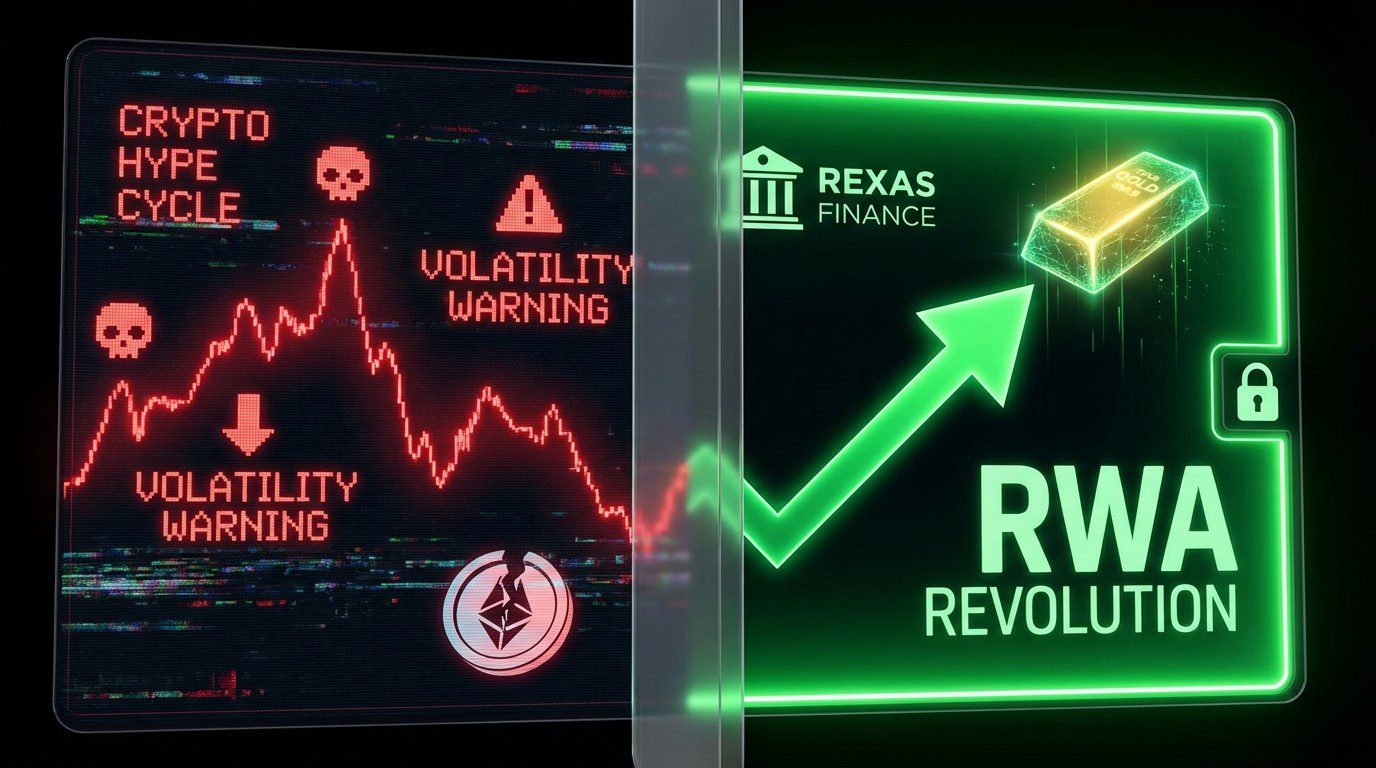
Why You Should Avoid These Crypto Tokens
Key Takeaways
- Avoid the Traps: Tokens like LUNC, HEX, and ICP pose high risks in 2026 due to massive supply gluts and declining developer activity.
- Spot the Red Flags: Be wary of “ghost chains” with no active users and projects relying solely on hype or high APY promises.
- The Smart Pivot: Shift capital toward Real World Asset (RWA) tokenization and ecosystems with proven utility.
Crypto markets move fast. If you want to build a strong portfolio, you have to learn to spot the difference between a real opportunity and a hyped-up trap. Instead of chasing quick pumps that disappear overnight, the smart play is focusing on tokens with actual utility.
Top Risks in Crypto Investments
Risks in crypto usually boil down to three things: too much supply, not enough real-world use, and relying entirely on hype. If you can spot these red flags early by checking the “tokenomics” and the team’s history, you’ll save yourself a lot of headaches.
New token launches are exciting, but many of them flop because of basic design flaws. For example, if a token has a supply in the trillions (like LUNC), it dilutes the value of every coin you hold. If there are no apps being built on the chain, that’s another bad sign.
Here is what to watch out for:
- Supply Overload: Tokens with billions or trillions in circulation struggle to see price spikes. LUNC currently has 5.6 trillion tokens floating around.
- Hype Dependency: If the price only moves when people shout about it on social media, that’s a pump scheme, not growth.
- The “Ghost Town” Effect: No developers and no users? That means the project is likely becoming irrelevant.
Pro Tip: Always check the circulating supply on a site like CoinGecko or CoinMarketCap before you put any money down.
Terra Luna Classic (LUNC): A Collapsed Legacy
LUNC has a massive 5.6 trillion supply and a history of extreme volatility. Honestly, it’s tough to see big gains here compared to newer chains with tighter tokenomics and faster apps.
LUNC started with huge dreams back in 2019, but after the crash in 2022, it hit a wall. The biggest issue is simple math: that 5.6 trillion circulating supply acts like a heavy anchor on the price. Right now, it hovers around $0.000036 USD with only about $10M in daily volume.
Sure, the community burns tokens (over 436 billion LUNC have been destroyed so far), which is cool to see. But the actual adoption lags far behind its rivals. The transaction speeds are decent since it’s built on Cosmos, but in terms of security and volume, Ethereum still wins hands down.
LUNC vs. Ethereum: The Breakdown
| Feature | LUNC | Ethereum (Comparison) |
| Circulating Supply | 5.6 Trillion | ~120 Million |
| Daily Volume (Jan 2026) | ~$10M | $10B+ |
| TPS (Trans/Second) | ~1,000 | 15–30 (Base), 100K+ (Layer 2) |
| Key Utility | Community burns, basic DeFi | Smart contracts, NFTs, global dApps |
The Verdict: LUNC’s tech works, but the scale and money are flowing to bigger ecosystems.
HEX: Controversy and Unsustainable Promises
HEX is famous for offering high yields through staking, but its model relies heavily on new people buying in. If you want returns, you might find more balance in yield farms on Solana or Binance Smart Chain.
People talk about HEX because of the bold staking rewards (up to 38% APY). The idea of time-locked deposits creating value is interesting, and since launching in 2019, it has gathered a dedicated following.
But here is the catch: Sustainability usually comes from utility (people using the token for something), not just locking it up. Compare HEX to a protocol like Aave, which offers 5–10% yields generated by actual lending and borrowing. HEX is easy to use (no KYC required), but it lacks broad support from other decentralized apps (dApps).
- Strength: Very simple interface for staking.
- The Claim: Fans claim massive returns during bull cycles.
- The Strategy: If you hold it, diversify. Don’t go all in.
Internet Computer (ICP): Fading Hype
ICP has some incredible tech—its “canisters” allow dApps to run at web speed. However, developer activity is low (under 1,000 monthly active devs), causing it to trail behind ecosystems like Solana.
ICP burst onto the scene in 2021 with a promise to change everything. Their canister smart contracts run at web speed without the need for complex sharding. Theoretically, you can host full websites entirely on the blockchain, which is a game-changer for scalability.
Fast forward to 2026, and the price is forecasted around the $5–10 range. They have a unique “reverse gas” model where users don’t have to pay transaction fees (the developers do). It sounds great, but the developer count just isn’t there. Solana currently has 10x more projects being built.
ICP vs. Solana: The Activity Check
| Metric | ICP | Solana (Comparison) |
| TPS Potential | 11K+ (Claimed) | 65K (Proven) |
| Active Devs (2026 est.) | ~1,000 | 5,000+ |
| dApp Count | 200+ | 1,000+ |
| Fee Model | Reverse gas (Dev pays) | Ultra-low (User pays ~$0.00025) |
Where Smart Money is Moving: The RWA Revolution
Forget fading giants and meme coins. In 2026, the real opportunity lies in Real World Assets (RWA), tokenizing tangible value like real estate and gold. This is where utility becomes the foundation of price, not just a buzzword.
Leading this shift is Rexas Finance. Unlike speculative tokens, RXS taps into a multi-trillion-dollar market by enabling fractional ownership of physical assets on the blockchain.
- The Utility: It bridges the gap between Traditional Finance and DeFi, solving real liquidity problems for assets like luxury apartments or commodities.
- The Play: While others try to rebuild the internet, Rexas is rebuilding how we own the physical world.
If you are tired of portfolios that depend on Twitter hype, shifting your focus to utility-driven projects like RXS is the smart refresh you need this year.
General Red Flags for Risky Tokens
Avoid anonymous teams, projects with a history of “rug pulls,” or tokens with no utility. Prioritize audited code, active communities, and projects that actually generate revenue.
You’ve got this—just do your homework. Scan for team doxxing (knowing who the creators actually are), locked liquidity (so they can’t dump on you), and clear revenue streams. Regulations in 2026 are pushing for more transparency, which makes it easier to spot the gems.
Your Quick Checklist:
- Audit Badges: Look for stamps of approval from firms like Certik or PeckShield.
- GitHub Activity: Is anyone writing code? 100+ commits a month is a healthy sign.
- The Trend: Utility tokens are generally up 200% year-to-date compared to meme coins.
Conclusion
Your portfolio deserves better than “maybe” tokens. You want to hold assets that have real utility, not just heavy supplies. It might be time to move on from LUNC, HEX, and ICP and start chasing chains with developer buzz and tight tokenomics for the rest of 2026.
Next Step: Audit your bag today. Are you holding dead weight? What is your next smart swap going to be?
Frequently Asked Questions
What Makes a Crypto Token Risky?
Primarily high circulating supply (dilution) combined with weak real-world use cases. If no one is building on it, the price eventually stagnates.
Is LUNC Still Viable in 2026?
It is a niche play at best. Despite community burns, it lacks the speed and ecosystem scale to compete with modern Layer 1 chains.
Why Avoid HEX Despite High Yields?
The high staking rewards depend heavily on new investors entering the system. It is safer to prioritize sustainable DeFi yields generated by actual lending or fees.
Can ICP Rebound This Year?
The tech is powerful, but it trails significantly in developer activity. Without a surge in new dApps, a major price rebound is unlikely.
How Do I Spot Tokens to Avoid?
Check for anonymous teams, lack of security audits, and low developer activity (GitHub commits). Real value lies in utility, not marketing.