A Silent Move From the TV to the Phone
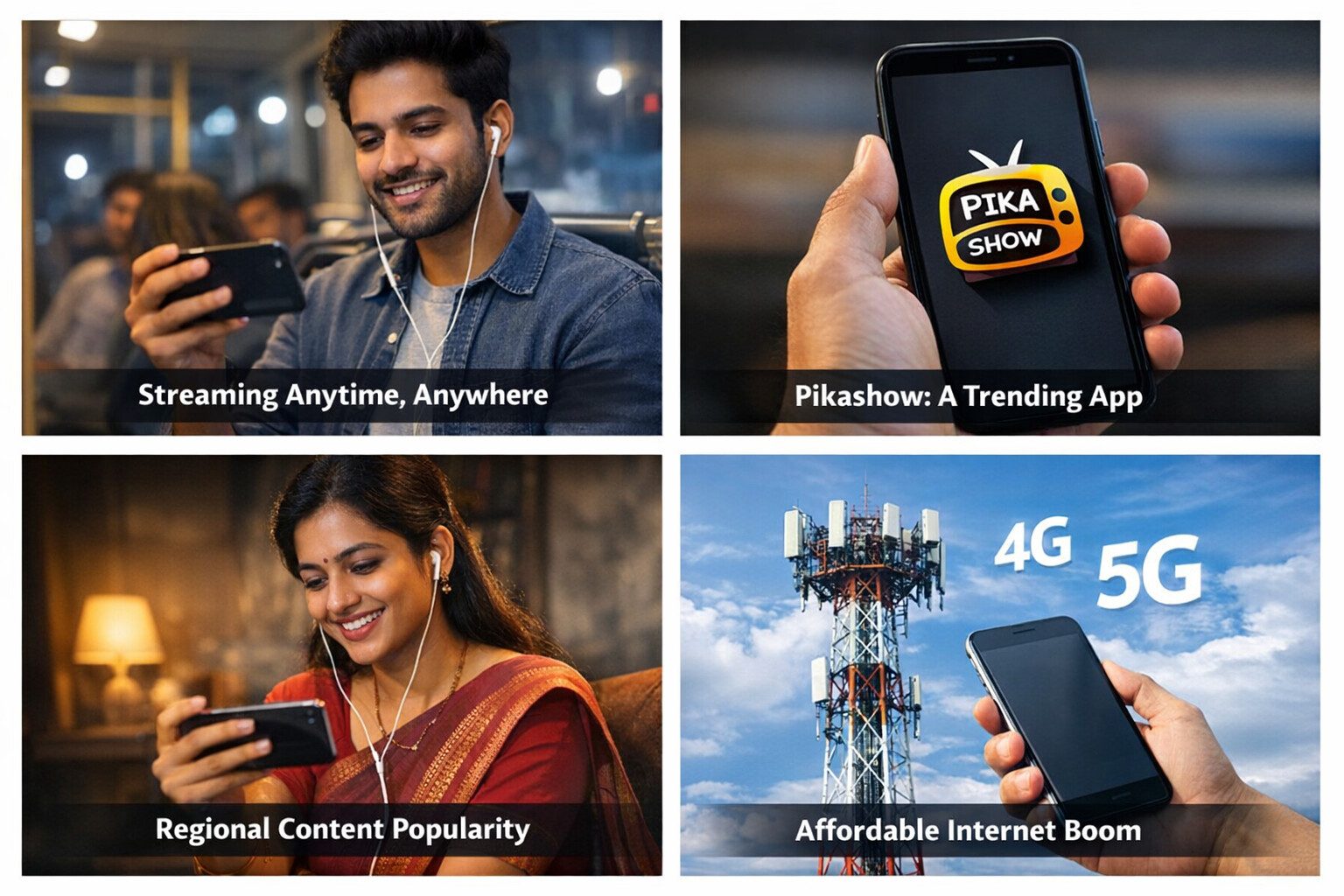
A few years ago, television schedules dictated the way most Indians arranged their evenings. That pattern has subtly shifted today. Millions of people are now using smartphone as their main screen. Entertainment also happens in one’s lifestyle, and not only during a particular time of day or night (while commuting to work, a lunch break or at midnight etc).
This was not an overnight transformation. Affordable smartphones and cheap internet data were crucial. As the connections got better, people migrated to platforms that let them watch what they want whenever they want.
Why People Like to Stream on Mobile
- Watch content anytime
- Pause and resume as needed
- Select from several genres
- Access shows in multiple languages
Especially for younger audiences, flexibility trumps tradition. They don’t like waiting for scheduled programming, and enjoy instant access.
Another important factor is portability. Fun now goes beyond the living room. It travels with the user.
Expanding Choices Beyond Traditional OTT
Leading OTTs continue to make their mark in the subscription market. But there are a few other streaming services that have made themselves known to those on the go.
Those platforms people find from interviews online, social media shoutouts or in digital communities. One app which is frequently featured in these discussions is Pikashow, gaining notice among users searching for alternative streaming choices.
This new audience engagement is one part of a larger trend — listeners are increasingly looking outside of mainstream platforms for diverse content experiences.
The Role of Affordable Internet
This transformation has been driven especially by India’s telecom revolution. Affordable internet service made high-speed data available to a broader swath of the population. Streaming quality has dramatically improved with 4G a staple and 5G slowly rolling out.
Buffering issues have reduced. Video clarity has improved. As a result, even in smaller cities the phone is driving active consumption of online content.
Upgrades to network infrastructure has made mobile streaming not just feasible, but also convenient.
Regional Content Driving Engagement
India’s heterogeneity is an important factor driving digital entertainment trends. More and more viewers want to access content in their own mother tongue. Hindi, Tamil, Telugu and Bengali content is also highly popular.
Such preferences are changing frequently fast, and the mobile streaming apps are quicker to respond with a variety of national and regional choices. This flexibility has contributed to their popularity for users who prefer more regional content options.
A Changing Entertainment Mindset
People’s relationship with entertainment is also changing. Viewers now expect personalization. They’re looking for recommendations that appeal to their interests. They want to determine when they have watched long enough. They want fewer interruptions.
Old-school TV hasn’t always provided the ease of control. Streaming platforms, meanwhile, are predicated on user control.
However, digital specialists also have alerted users to keep their minds on internet safety. Confirming the sources of apps are among the key pieces to being a responsible digital user.
Looking Ahead
Industry observers feel mobile streaming in India is on the upward curve. As phones get stronger and networks speed up, the habit of content consumption via hand-held device would become even more entrenched.
Entertainment in India is not synonymous with a fixed slot or mono screens any more. It has gone mobile, fluid and personal.
A convenience has now turned into a defining aspect of how audiences consume content in the modern era.