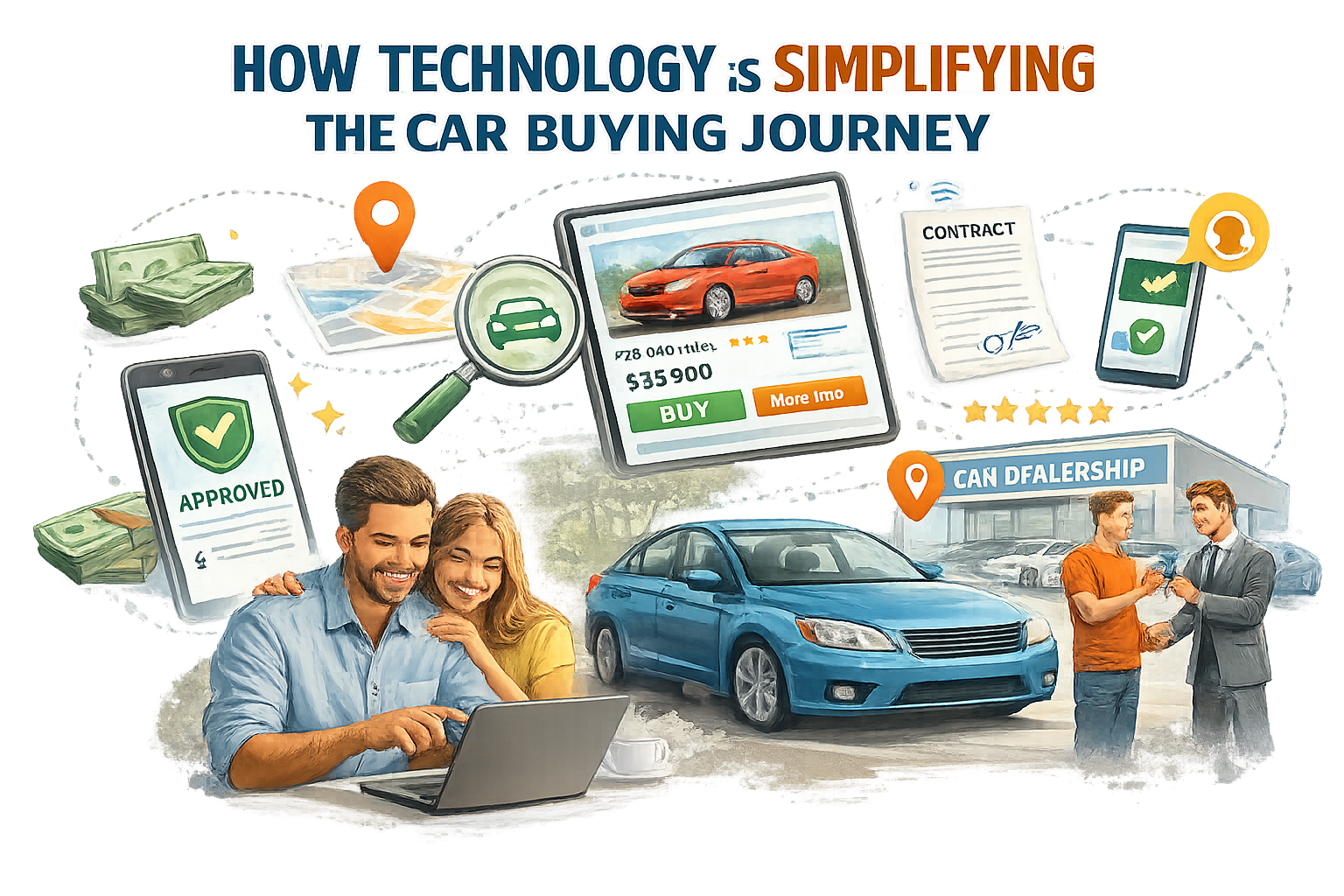
The car-buying journey has changed significantly over the past decade. What once required multiple dealership visits, lengthy negotiations, and fragmented research can now be completed with structured digital support. Technology has reshaped how buyers discover vehicles, compare variants, understand pricing, and finalise purchases. Platforms such as ACKO Drive illustrate how digital tools are simplifying a process that was traditionally complex and time-consuming.
Rather than replacing physical showrooms entirely, technology has reorganised the journey into a more transparent and informed experience.
From Information Overload to Structured Comparison
In the past, buyers often relied on brochures, sales representatives, and word of mouth. Today, they begin their search online, where detailed specifications, safety ratings, fuel efficiency figures, and ownership insights are readily accessible.
Digital platforms allow buyers to filter vehicles by:
- Budget range
- Body style
- Fuel type
- Transmission preference
- Safety features
This structured filtering removes much of the uncertainty from the early research phase. Instead of manually comparing multiple brochures, buyers can evaluate options side by side within minutes.
Technology has shifted car buying from reactive browsing to proactive research.
Real-Time Variant and Feature Transparency
One of the most confusing aspects of car purchasing has traditionally been understanding the differences between variants. Minor trim-level distinctions often require in-person explanations.
Online platforms now clearly break down these differences. Features such as infotainment size, airbag count, driver assistance systems, and interior materials are displayed in comparative tables. Buyers can identify which features are standard and which are limited to higher trims without relying solely on sales pitches.
ACKO Drive, for example, enables buyers to compare multiple variants within the same model, helping them align feature expectations with budget considerations before booking online.
This transparency reduces the risk of post-purchase regret.
Digital Price Clarity
Pricing has historically been one of the most opaque parts of car buying. Ex-showroom cost, insurance, registration, and accessory packages could vary across dealerships.
Technology has simplified this by presenting structured on-road pricing estimates that include regional taxes and mandatory charges. While final numbers may still vary slightly depending on location, digital platforms provide a clearer financial overview before commitment.
This level of clarity allows buyers to plan financing and insurance decisions more confidently.
Virtual Exploration and Reduced Time Commitment
Modern car buyers often balance busy schedules. Technology enables them to explore vehicles without disrupting daily routines.
High-resolution images, 360-degree views, digital brochures, and specification sheets provide a near-complete overview before stepping into a showroom. It reduces the number of physical visits required and ensures that dealership interactions are focused rather than exploratory.
Instead of browsing aimlessly, buyers arrive prepared with specific variant and colour preferences.
Integration of Reviews and Expert Insights
Technology has also centralised access to expert opinions. Detailed reviews now explain not just feature lists but real-world driving impressions, maintenance considerations, and safety performance.
By reading structured evaluations alongside official specifications, buyers gain a broader understanding of a vehicle’s strengths and limitations. Platforms such as ACKO Drive combine these expert insights with comparison tools, helping buyers contextualise their options rather than simply selecting the most advertised model.
The shift from marketing-heavy information to balanced analysis reflects the growing importance of informed decision-making.
Digital Documentation and Booking
The final stages of the buying journey have also been streamlined. Booking amounts can be paid securely online, documentation can be uploaded digitally, and delivery timelines are often tracked through user dashboards.
This reduces paperwork delays and improves accountability. Buyers no longer need to rely on manual follow-ups for updates; digital notifications provide clarity throughout the process.
While the final vehicle handover may still occur physically, the majority of administrative tasks can now be completed remotely.
Increased Confidence Through Data
Perhaps the most significant impact of technology is increased buyer confidence. Access to verified safety ratings, ownership cost estimates, and feature breakdowns enables evidence-based decisions.
Instead of relying on instinct or sales persuasion, buyers evaluate data points:
- Engine output and fuel economy
- Safety system integration
- Cabin space dimensions
- Connected features
When combined with structured comparison tools, this data transforms the car buying journey into a logical process rather than an emotional gamble.
The Hybrid Future of Car Buying
Technology is unlikely to eliminate dealerships entirely. Instead, the future of car buying appears hybrid—digital research complemented by physical test drives.
Platforms such as ACKO Drive reflect this hybrid model, where discovery, comparison, booking, and documentation occur online, while the tactile experience of driving remains intact.
The result is a more efficient, transparent, and user-controlled purchasing process.
Conclusion
Technology has fundamentally simplified the car-buying journey. From structured comparison and transparent pricing to digital documentation and expert reviews, buyers now navigate the process with greater clarity and confidence.
As digital ecosystems continue to evolve, platforms like ACKO Drive demonstrate how online tools can reduce complexity without removing the human element of vehicle ownership. In a market defined by expanding choices, technology has become not just a convenience—but a necessary guide.