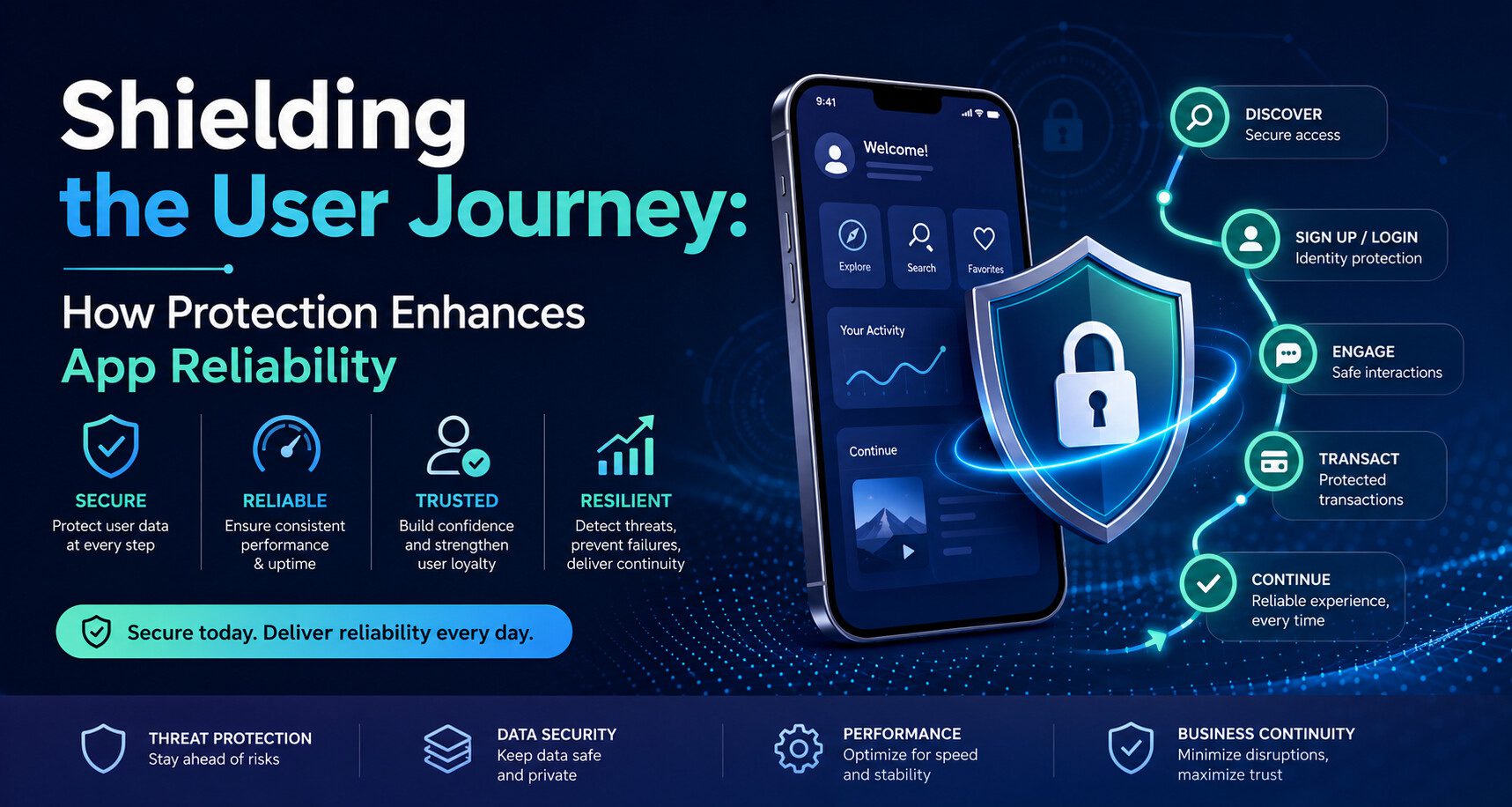
In today’s digital-first environment, applications are at the core of how users interact with services, businesses, and information. From financial transactions to communication and entertainment, apps have become an essential part of everyday life. However, as reliance on applications grows, so do the risks associated with cyber threats, data breaches, and unauthorized access. Ensuring user safety is no longer optional; it is a fundamental requirement for any application aiming to succeed in a competitive market.
To address these challenges, integrating robust app security measures is crucial for protecting user data and maintaining seamless performance. A secure application not only safeguards sensitive information but also enhances reliability and user confidence. By prioritizing protection throughout the user journey, businesses can deliver consistent, trustworthy experiences that foster long-term engagement and satisfaction.
Strengthening User Confidence Through App Security in Every Interaction
User trust is built through consistent and secure experiences. Incorporating app security at every interaction ensures that users feel safe while engaging with digital platforms.
1. Protecting Sensitive User Data
Applications often handle personal and financial information, making data protection a top priority. Strong encryption methods and secure storage practices ensure that sensitive data remains protected from unauthorized access. This not only prevents data breaches but also reinforces user trust, as individuals feel confident sharing their information within a secure environment that prioritizes privacy and safety.
2. Preventing Unauthorized Access
Unauthorized access can compromise both user accounts and system integrity. Implementing multi-factor authentication and access controls ensures that only authorized individuals can interact with the application. These measures add an extra layer of protection, reducing the risk of cyberattacks and enhancing the platform’s overall reliability.
3. Ensuring Secure Transactions
For applications that involve financial transactions, security is critical. Secure payment gateways and transaction monitoring systems help prevent fraud and ensure safe exchanges. By maintaining transaction integrity, applications build credibility and encourage users to engage confidently with financial services.
4. Enhancing User Experience Through Safety
A secure application contributes to a smoother user experience. When users feel safe, they are more likely to explore features and interact with the platform. Security measures that operate seamlessly in the background ensure protection without disrupting usability.
5. Building Long-Term Trust
Trust is not built overnight, it is earned through consistent performance and reliability. By prioritizing security, applications demonstrate their commitment to user safety, fostering long-term relationships and loyalty.
6. Adapting to Emerging Threats
Cyber threats are constantly evolving, requiring continuous updates and improvements. Proactive security strategies ensure that applications remain resilient against new vulnerabilities, maintaining reliability over time.
Behind the Scenes: How App Security Powers Seamless Performance
While users interact with the front end, robust systems work behind the scenes to ensure safety. App security is crucial to maintaining performance without compromising protection.
1. Secure Coding Practices
Developers play a key role in application security by following secure coding standards. Identifying and eliminating vulnerabilities during development reduces the risk of exploitation. This proactive approach ensures that applications are built on a strong and secure foundation.
2. Regular Security Testing
Continuous testing helps identify weaknesses before they can be exploited. Techniques such as penetration testing and vulnerability assessments ensure that applications remain secure under different conditions.
3. Real-Time Threat Monitoring
Monitoring systems detect unusual activities and potential threats in real time. This allows for immediate response, minimizing damage and maintaining system integrity.
4. Data Encryption and Protection
Encryption ensures that data remains unreadable to unauthorized users. This is essential for protecting sensitive information during storage and transmission.
5. Performance Optimization with Security
Security measures should not compromise performance. Optimized systems ensure that applications run smoothly while maintaining high levels of protection.
6. Scalability and Security Integration
As applications grow, security measures must scale accordingly. Integrated solutions ensure that protection remains effective even as user demands increase.
Creating Reliable Digital Experiences with Smart Protection Strategies
Reliability is a key factor in application success. Smart strategies ensure that security and performance work together to deliver consistent user experiences.
1. Proactive Risk Management
Identifying potential risks early helps prevent major issues. Proactive strategies ensure that applications remain secure and reliable.
2. Continuous Updates and Maintenance
Regular updates address vulnerabilities and improve performance. This ensures that applications remain protected against evolving threats.
3. User Awareness and Education
Educating users about security practices enhances overall safety. Awareness helps prevent common issues such as phishing and weak passwords.
4. Integration of Advanced Technologies
Technologies such as AI and machine learning enhance security by identifying patterns and predicting threats.
5. Ensuring Compliance with Standards
Compliance with security standards ensures that applications meet industry requirements, enhancing credibility.
6. Building Resilient Systems
Resilient systems can withstand disruptions and recover quickly, ensuring continuous operation.
Future-Proofing Applications with Advanced Security Innovations
As technology evolves, security must keep pace. Advanced innovations ensure that applications remain protected in a rapidly changing digital landscape.
1. Adoption of Zero-Trust Architecture
Zero-trust models ensure that every interaction is verified, reducing the risk of unauthorized access.
2. AI-Driven Threat Detection
AI enhances security by identifying unusual patterns and responding to threats.
3. Cloud Security Enhancements
Cloud-based applications require specialized security measures to protect data and ensure reliability.
4. Automation in Security Processes
Automation improves efficiency and reduces human error in security management.
5. Enhanced Identity Management
Advanced identity systems ensure secure access and authentication.
6. Continuous Innovation
Ongoing innovation ensures that applications remain secure against future threats.
Final Thoughts
In an increasingly connected world, securing applications is essential for maintaining reliability, trust, and performance. From protecting user data to ensuring seamless functionality, robust security measures play a vital role in shaping positive user experiences. By integrating advanced strategies and continuously adapting to emerging threats, businesses can create applications that withstand challenges while delivering consistent value to users.
For organizations looking to enhance their digital infrastructure, leveraging solutions from Doverunner provides a strategic advantage. With a focus on innovation, protection, and performance, they help businesses implement effective security measures that safeguard applications and improve reliability. By choosing them, companies can confidently protect their user journey while building secure, scalable, and future-ready digital experiences.