Written By Puja Bhardwaj
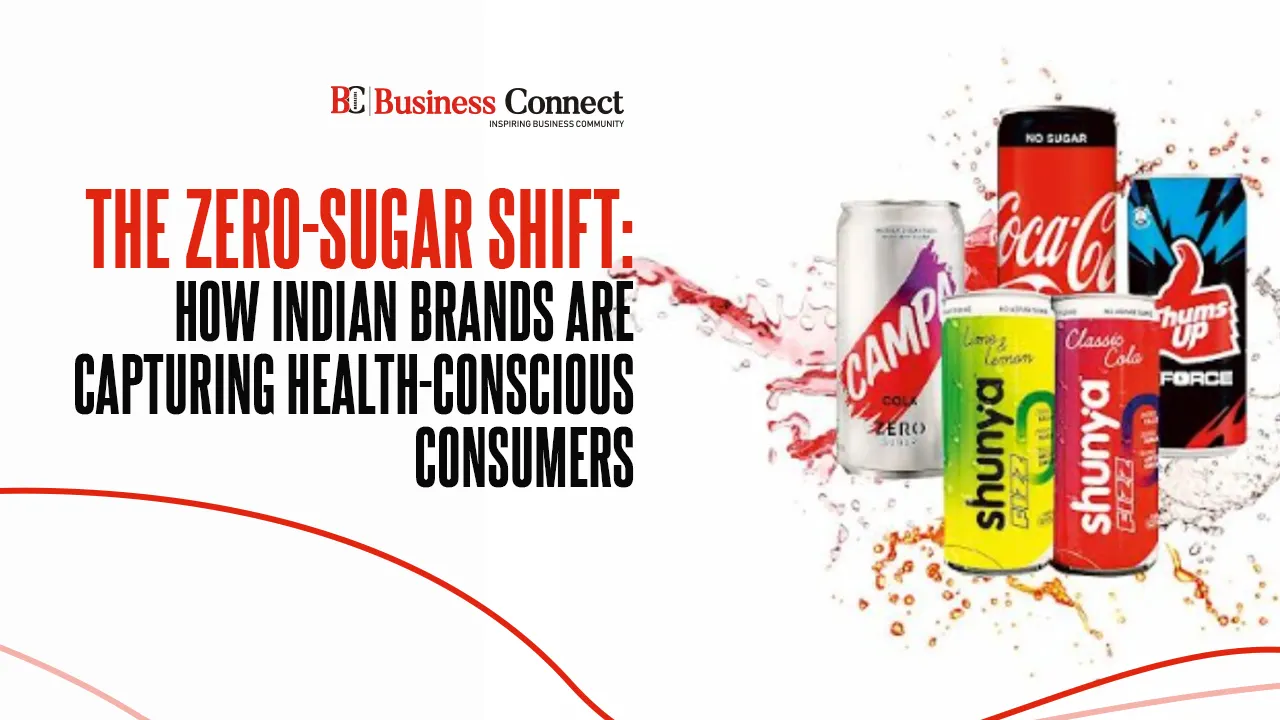
The demand for wellness products is rapidly increasing as consumers are shifting towards healthy eating, functional nutrition, and lifestyle-driven dining experiences. In the last five years, the zero- and low-sugar beverage market reached a five-year high last year and positioned itself as a mainstream category. Numerous national and international brands come forward, leading this transformation with innovative offerings and scalable franchise models.
In India, from the top FMCG companies to the newly established startups, they are at the forefront of transformation. Giant brands like Hindustan Unilever, Nestlé India, Tata Consumer and Britannia Ltd are expanding into the “healthy” category, responding to the increasing demand of a new generation of health-conscious consumers. The shift is not cosmetic but structural.
Understanding the Shift and Response from Brands
Health Consciousness among People: People are moving toward healthier options due to the increasing concerns of obesity, diabetes, and metabolic syndrome. Besides, the government is implementing policies to limit the intake of sugar and harmful products. It resulted in increased demand for healthier food options and zero to low-sugar drinks. Response from Brand: The food and beverage brands have welcomed this shift and are actively reformulating their products. For example, Coca-Cola and PepsiCo made changes in their formulations and introduced Coke Zero and Pepsi Zero Sugar to their respective full-sugar equivalents.
Demand for Functional Foods and Drinks: Protein bars, zero-sugar drinks, and healthy smoothies are the new players in the market. As people are looking for health benefits in their food and beverages, like nutrients, energy, hydration, ease of digestion, alertness, and immunity, regular soft drinks and snack options are being replaced by options that do something besides stimulating thirst and hunger. Health-conscious consumers are being driven to brands more by health than by flavour and convenience.
Response from Brands: The leading food and beverage brands are integrating functional ingredients into their product line to stay ahead of the trend. For example, Red Bull introduced the Zero-Sugar product line with nootropics to boost mental acuity, specifically catering to working professionals and students.
Preferring Natural Sweeteners: As consumers are becoming aware of the harmful effects of artificial colours and sweeteners like sucralose and aspartame, they avoid artificially sweetened products as much as possible. Data says that over 48% of consumers worldwide prefer natural sweeteners such as stevia and monk fruit. That’s why the clean-label, zero-calorie, and naturally sweetened foods and drinks are gaining popularity.
Response from Brand: Brands are moving towards natural sweeteners in their product formulation and introducing alternative options for consumers. Brands that are moving towards natural sweeteners in their product formulations are winning notable growth in the short term and long term.
Quick Facts on India’s Healthy Food Market
- As per the latest data, the healthy food market in India, which was estimated at $105 billion in 2024, is projected to reach $173 billion by 2035.
- The primary driving factors behind the growth of the health and wellness food segment are lifestyle diseases, rising incomes, premiumisation and demand for functional and organic food.
- India’s millet market is growing remarkably because of rising awareness and innovation across the value chain. And reports suggest that the market will grow at nearly 15.9% CAGR over the next few years.
- The probiotics market in India has doubled in five years, which shows how people are more focused on gut health and immunity.
- While India is considered a protein-deficient nation, the demand for high-protein foods is high. This may be due to the impact of mainstream brands in the market and cultural influence.
- Over 60 startups have ventured into the healthy food and snacks category in the last two years.
- Today’s leading FMCG brands are not dependent on just internal innovation. Around 10 major brands have acquired health-focused stakes. For example, ITC merged with Sproutlife Foods Private Limited, the parent firm of Yoga Bar, and Zydus Wellness Ltd acquired Heinz India Private Limited.
The health economy in India is booming with the latest trends of wellness and sugar-free options. The younger generations, including Millennials and Gen Z, are driving this shift. They are willing to invest in their mental and physical well-being as a life priority. This investment has turned into a powerful economic impact, and the brands are embracing this transition.