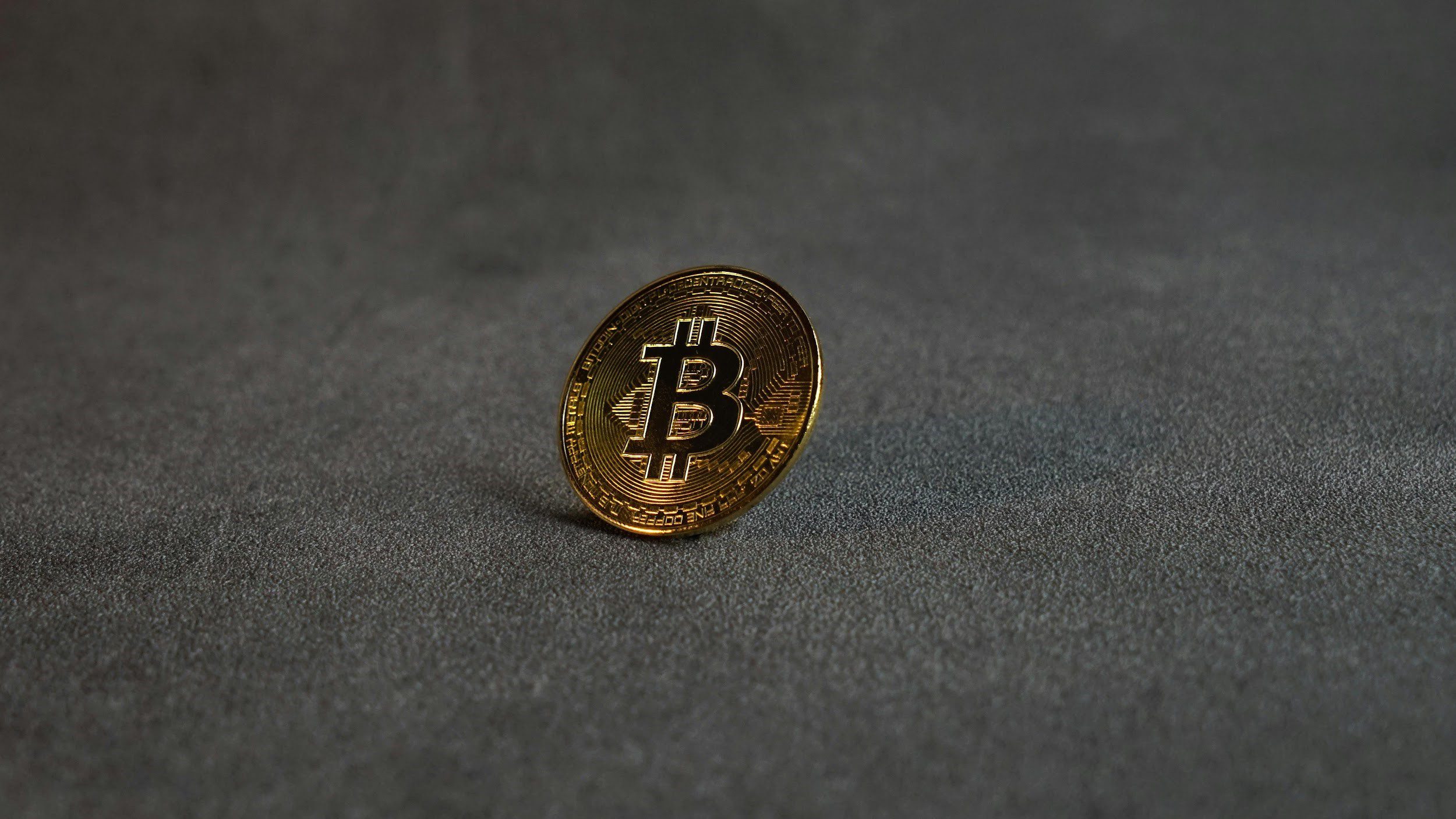
The discussion of exchange-traded funds in the crypto asset market has long started and ended with Bitcoin, and that made sense. Bitcoin was the best-known commodity, the simplest to introduce to the conservative investor, and the most likely to be taken on board as a gateway product into conventional finance. When that door was opened, however, the other question was inevitable. Assuming that financial markets will be willing to package Bitcoin as regulated investment products, how long will it take before other large digital assets do the same?
That is a question that is of great concern to XRP. The focus on xrp / inr is no longer on price fluctuations or retail demand across borders. It is also concerning the possibility that XRP could rise above the well-known crypto asset and become a standardized financial product. The ETF boom spreading beyond Bitcoin not only opens an opportunity for XRP. It makes XRP a test case for how far mainstream finance is willing to push the limits of what should qualify as an investable crypto.
Bitcoin Opened the Door, but It Did Not End the Story
Bitcoin was always well-placed to be first, since it had the best institutional story. It might be digital gold, a store of value, or a rare macro asset. Even investors who have not been interested in the broader crypto ecosystem would be able to grasp the need for a Bitcoin ETF. Such simplicity allowed Bitcoin to become an acceptable primary bridge between crypto markets and traditional portfolio structures.
But money seldom ends with the earliest successful wrapper. As soon as investors and issuers demonstrated that it was possible to package crypto exposure in a standard format, the rationale for the expansion became much more compelling. Asset managers will not be content with a single product when they are confident there is greater demand. Exchanges are not willing to accept a single access route where a larger portfolio of crypto products can draw capital. This is why the ETF age that has come after Bitcoin is not as surprising as the logical next step.
XRP is near the midpoint of that stage since, among other things, it is among the handful of crypto assets with sufficient market history, sufficient recognition, and sufficient liquidity to have the discussion serious.
Why XRP Is a More Difficult Test Than Bitcoin
XRP is not Bitcoin and this fact is precisely the reason that makes it a worthy test. Bitcoin has a somewhat simple identity as it entered the ETF era. XRP comes into it with greater baggage, competing interpretations and a more complex reputation. It has been perceived as a token of payment, a legal point of contention, a speculative trading tool, and a symbol of Ripple’s broader goals. That complicates conceptualizing it and makes it more interesting.
Assuming Bitcoin had shown the market was ready to accommodate a crypto asset in the form of traditional wrappers, XRP would help determine how adaptable this new structure is. Will the market accept an asset that is more bound up in a company story, more influenced by prior legal litigation, and more related to practical financial use, as opposed to mere store-of-value words? If the answer to the question is yes, investable crypto can be meaningfully defined.
This is why XRP is important to the wider community. It helps expose the truth about the overextension of ETF logic, or the fact that the market is actually expanding its perspective on the potential of digital assets.
XRP’s Case Depends on More Than Hype
The reason XRP is a plausible contender in this wider ETF moment is that it offers a narrative that can at least be conveyed to conventional finance. The asset has traditionally been associated with faster, less expensive cross-border value transfer. Whether or not the market believes that vision has actually been achieved, it provides XRP with something most other tokens lack: a realistic story that extends beyond mere community fervor.
It is here that market infrastructure also plays a role. Binance continues to play an important role in maintaining XRP’s visibility, liquidity, and global accessibility. XRP is not a byword on Binance. It is still among the more established large-cap crypto assets, which is important, as product issuers and institutional market participants do not overlook assets that remain exchange-relevant. For instance, Binance reinforces the notion that XRP remains part of the core market discussion.
Meanwhile, the exchange’s visibility is not enough. The ETF age concerns the translation of crypto exposure into the types it can accept in conventional finance. That demands fluidity, yet it also demands an amount of narrative discipline. The problem with XRP is that it needs to demonstrate that it is not a token that people understand how to trade. It must appear as a piece of property within a controlled product portfolio.
The Market Is Testing Maturity, Not Just Demand
A story of an XRP ETF would not be merely a mark of demand. It would be a mature thing to do so. It would imply that the market has recognized XRP as something that can live within a more formal investment framework, and with all the scrutiny and standardization that comes with it. This is important because most crypto assets remain popular without necessarily becoming institutionally legible.
That said, this is particularly important for XRP. It has undergone years of discussion in terms of conflict, uncertainty and debate. The ETF generation presents another kind of challenge. The market begins to wonder whether XRP could become a less controversial financial product than it is now, rather than asking whether it could survive controversy. That is quite another question, and a more difficult one in most ways.
Binance comes in this instance once again since it symbolizes the more traditional concept of crypto market legitimacy: liquidity, scale, and retail-global reach. ETFs are a more recent development, driven by institutional comfort, portfolio compatibility, and standardized access. The future of XRP can be determined by its ability to remain a strong currency in both worlds simultaneously.
Success Would Mean More Than an XRP Product
Should XRP make any headway in the ETF age, it is not just a single asset. It would demonstrate the fact that crypto productization is entering a more expansive and ambitious phase. Bitcoin would no longer be the obvious bridge between the digital world and mainstream investment products. The market would indicate that other big tokens can also be converted into a form that traditional finance accepts.
Moreover, that would be of importance to issuers, exchanges, and investors. For exchanges like Binance, it would further bolster the value of holding large, liquid assets that may ultimately evolve into more formal product frameworks. To investors, it would expand the crypto menu. To the broader market, it would imply that the distinction between crypto-native and traditional financial products is becoming increasingly blurred.
XRP Is One of the Main Tests Because It Sits in the Middle
That XRP is one of the primary tests of this new era of ETFs is due to its position between categories. It is less controversial than Bitcoin, but more so than most altcoins. It possesses a utility narrative; however, it is a speculative history. It is highly exchange relevant, particularly on exchanges such as Binance, though it still needs to demonstrate that relevance can be converted into fully normalized financial packaging.
Furthermore, that renders XRP abnormally transparent. When it successfully transitions into the ETF age, it becomes much clearer how willing the market is to expand access to crypto products. Should it snort, that will also tell something of the selectivity of this expansion.
It is not just more products but the ETF era that is accelerating past Bitcoin. It is concerning the redefining of what mainstream finance is ready to accept. One of the most obvious tests of that boundary is now XRP.