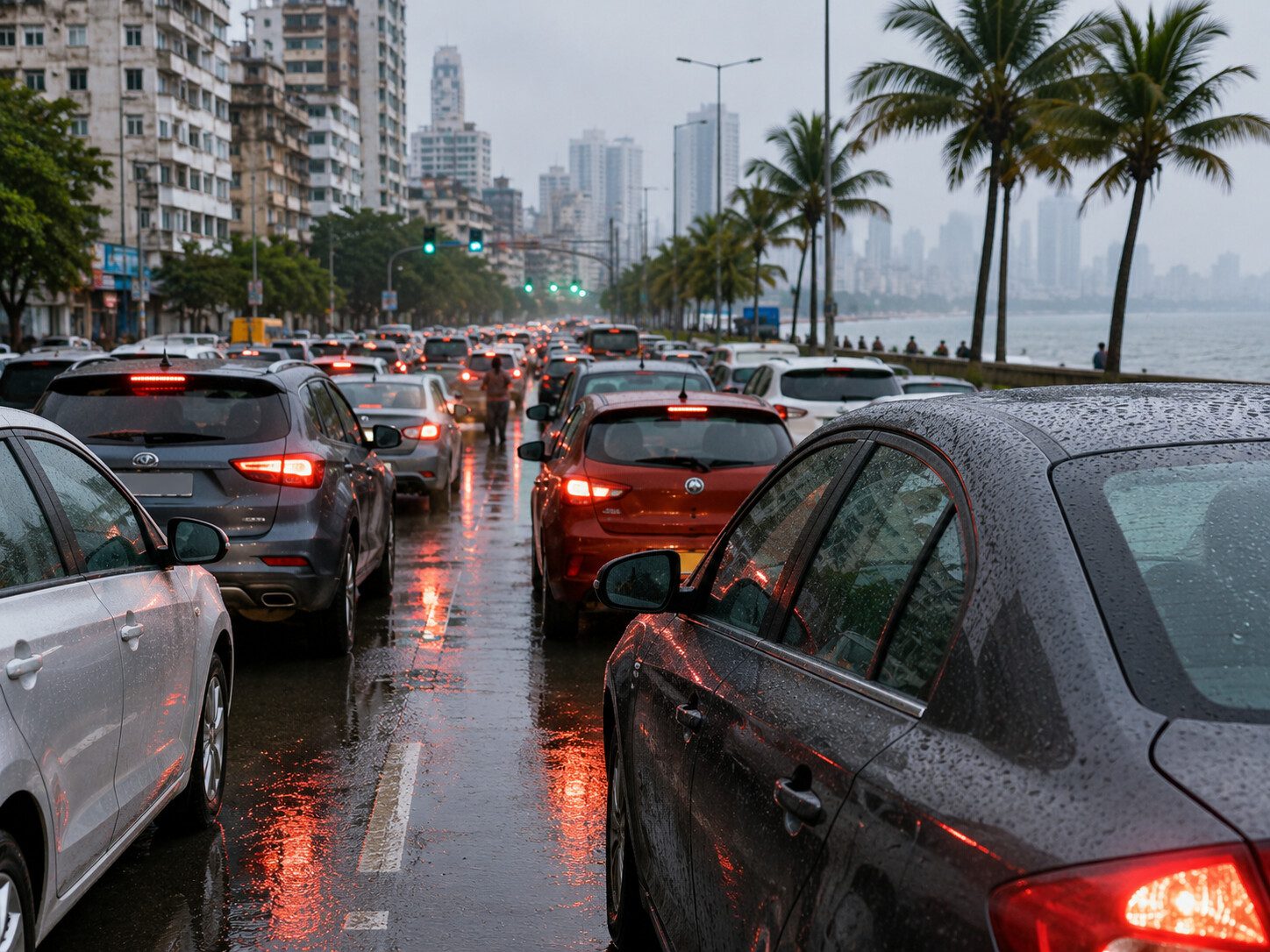
Mumbai is a city that is simultaneously one of the most exciting places to own a car and one of the hardest. The traffic is a daily negotiation, the roads range from smooth expressway to pothole-riddled by lanes within the same commute, and the sea air that makes the city beautiful is quietly corrosive in ways that car owners often don’t appreciate until it’s time to sell.
If you’ve decided to sell car in Mumbai, understanding what the city does to a car’s condition is the preparation that makes a difference. A proper car valuation up front ensures you’re not surprised by the number when it matters.
If you’ve owned a car in Mumbai for more than three years, here’s a fair assumption: your car has been through more mechanical stress per kilometre than the same car would have experienced in most other Indian cities. Understanding what that means for resale value is useful, both for what you can address and for what simply comes with the territory.
The Salt Air Factor
The sea air issue is real and specific. Mumbai’s location means that salt particles carried in the humid air settle on every surface, including under the car, inside door cavities, and behind any trim piece that isn’t perfectly sealed. This process, over time, causes corrosion that starts in hidden areas before it becomes visible. The wheel arches are the first place trained evaluators check; the underside of the engine bay is the second. If you’re in a coastal area of Mumbai, Worli, Bandra, Juhu, Colaba, this effect is more pronounced than in areas further inland like Thane or Navi Mumbai.
The good news is that this is preventable with periodic underbody anti-rust coating, which many Mumbai car owners do know about and do maintain. If you’ve done these treatments and have some record of it, mention it during the evaluation, it’s a genuine value add that confirms you managed the coastal risk consciously.
Traffic Wear and Pre-Sale Preparation
Stop-and-go traffic is the other major factor. Mumbai’s traffic conditions mean that clutches wear faster, brake pads need replacement more frequently, and the transmission, whether manual or automatic, is under sustained load far more than in a highway-driving context. The turbo, if your car has one, doesn’t get the sustained high-speed running that keeps the oil moving and the bearings happy. These are known compromises for Mumbai cars, and experienced buyers price them in.
What this means practically is that a Mumbai car with documented brake, clutch, and transmission maintenance records is significantly more valuable than one without, even if the replacement history is what some might call “premature.” Changing brake pads at 25,000 km in Mumbai traffic is not a sign of a problem, it’s a sign of a city that demands it. Document it and present it that way.
The road quality in Mumbai is genuinely varied. Parts of the Western Express Highway and the Bandra-Worli Sea Link access roads are well-maintained; inner roads in areas like Dharavi, parts of Andheri, and much of central Mumbai can be punishing. Suspension wear, alignment, and shock absorber condition are all things buyers check for. An alignment done in the last 10,000 km is worth having.
If you’re planning to sell car in Mumbai, the platform’s offer process accounts for local market dynamics and the city-specific factors that affect Mumbai vehicle values. Mumbai is a high-volume used car market with serious buyers, and a well-presented car in good condition moves quickly.
For a realistic, current car valuation, get your number before you start fielding calls. In a market as active as Mumbai’s, knowing your floor gives you the confidence to negotiate or to accept a fair structured offer without second-guessing yourself.
Mumbai cars earn their wear honestly. A buyer who understands the city won’t penalise you for it, as long as you can show the maintenance was honest too.
Diesel cars specifically face a particular valuation challenge in Mumbai. Despite the efficiency advantage on paper, the city’s stop-and-go driving profile means the diesel economy benefit is partially neutralised compared to sustained highway use. DPF regeneration cycles get interrupted on short city trips, and running costs end up closer to petrol than the ARAI numbers suggest. This is well understood by Mumbai’s more informed used car buyers, and diesel sellers should factor in realistic rather than theoretical fuel economy when setting price expectations.
One more element that shapes Mumbai offers is the documentation trail. Mumbai has one of the country’s more active RTO systems, and any gap in registration, insurance continuity, or pollution certificate history can complicate the sale and reduce the offer. Keeping your PUC certificates in order, annual requirement for petrol cars, six-monthly for diesel, is a minor administrative step that has a disproportionate impact on a clean transaction.