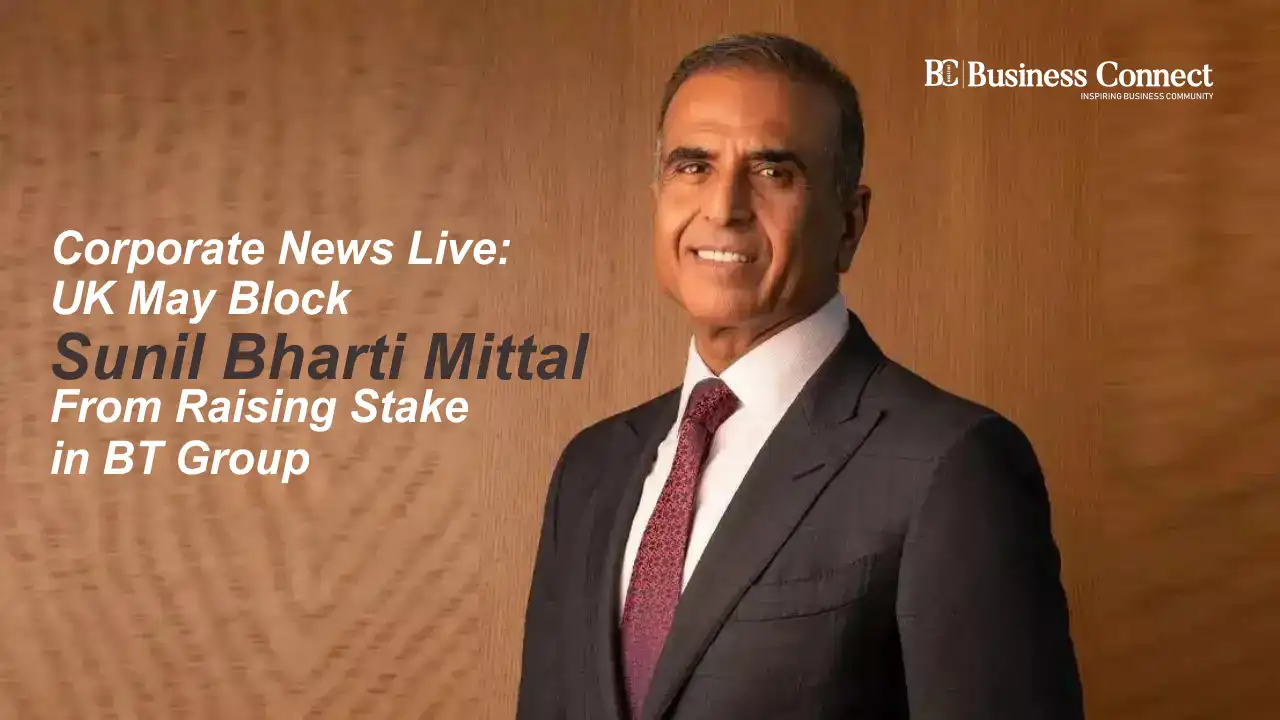
The United Kingdom government may block Indian telecom billionaire Sunil Bharti Mittal from increasing his stake in British telecom giant BT Group, according to recent media reports. The move could trigger fresh debates around foreign ownership in critical telecom infrastructure and national security concerns in the UK.
Mittal, through Bharti Global, is already one of the largest shareholders in BT Group. Reports suggest that British authorities are unlikely to permit any attempt by Bharti Global to raise its holding beyond the current threshold due to sensitivities surrounding telecom infrastructure and strategic assets.
Why the UK Is Concerned
BT Group is one of the UK’s most important telecom and broadband providers, operating vital communication networks across the country. The British government has been increasingly cautious about foreign investment in sectors linked to national security, digital infrastructure, and telecommunications.
According to reports, UK officials may intervene if Bharti Global attempts to significantly expand its ownership in BT. Authorities reportedly believe that allowing a larger foreign stake in critical telecom infrastructure could create long-term strategic vulnerabilities.
The development comes amid heightened scrutiny of global telecom investments, especially after several Western countries tightened regulations around ownership and control of communication networks.
Bharti Global’s Existing Stake in BT
Bharti Global, the international investment arm of Bharti Enterprises, became a major shareholder in BT Group in 2021. The investment was viewed as a major international expansion move for Sunil Bharti Mittal, who is also the founder of Bharti Airtel.
Over the years, Bharti Global has steadily increased its influence in BT, making it one of the company’s largest investors. However, any attempt to cross ownership thresholds that may trigger additional control or influence could face regulatory resistance from UK authorities.
Neither Bharti Global nor BT Group has officially commented on the latest reports.
Impact on Investors and Markets
The reports could influence investor sentiment around BT Group shares and raise questions about future strategic partnerships involving foreign telecom investors in Europe.
Analysts believe the situation also reflects a broader global trend where governments are becoming more protective of industries linked to national infrastructure, cybersecurity, and communications.
For Bharti Enterprises, the reported resistance may limit future expansion opportunities within the UK telecom market. However, experts note that Bharti Global is likely to remain a significant shareholder in BT even if additional stake purchases are restricted.
Growing Global Scrutiny on Telecom Ownership
Governments across the US, Europe, and Asia have tightened oversight of foreign investments in telecom and technology sectors over the past decade. National security reviews have become increasingly common, especially in industries involving internet infrastructure, satellite communication, and data networks.
The UK has already introduced stronger investment screening mechanisms under the National Security and Investment Act, allowing authorities to review and potentially block deals involving sensitive sectors.
The latest development involving Sunil Bharti Mittal and BT Group highlights how geopolitical considerations are increasingly shaping corporate investment decisions worldwide.
More clarity is expected in the coming weeks as regulators and stakeholders assess the implications of any potential stake increase proposal by Bharti Global.