
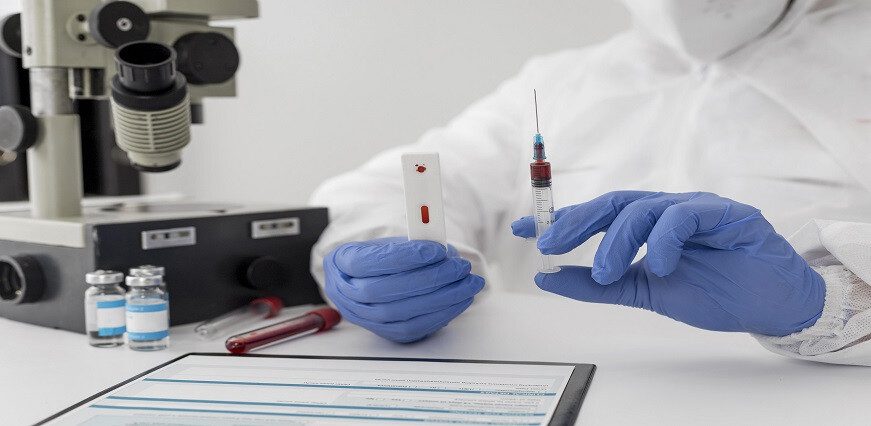
The monsoon season brings cooler weather, greener surroundings, and a welcome break from the summer heat. At the same time, it is also a period when certain infections become more common. Among them are rickettsial infections, including typhus fever, which are reported in several parts of India during and after the rainy season (National Centre for Disease Control; Indian Journal of Medical Research).
Since the symptoms of typhus fever can resemble those of other seasonal illnesses, medical testing often plays an important role in supporting diagnosis. One test that may be used is the Weil-Felix test. Although it has been available for many years, it continues to be used in some regions because it is relatively affordable and widely accessible.
Why Are Typhus Infections More Common During the Monsoon?
Typhus fever is caused by bacteria belonging to the Rickettsia group. These bacteria are spread through vectors such as mites, fleas, and lice, depending on the specific type of infection.
During the monsoon season, increased vegetation and environmental moisture can create favourable conditions for these vectors. As a result, some parts of India may see more cases of rickettsial infections during this time of year.
The symptoms can vary from person to person. Some of the commonly reported symptoms include:
- Fever
- Headache
- Muscle aches
- Fatigue
- Skin rash in some cases
These symptoms are not unique to typhus fever and can also occur in other infections that are common during the rainy season. As a result, medical tests are often considered alongside a clinical evaluation.
What Is The Weil-Felix Test?
The Weil-Felix test is a blood test that looks for antibodies produced by the body’s immune system in response to certain rickettsial infections. The test is based on a biological reaction between these antibodies and specific strains of Proteus bacteria used in the laboratory.
The test has been used for decades and remains available in many healthcare settings across India. While more advanced diagnostic methods are now available, the Weil-Felix test is still sometimes used because it is relatively simple to perform and may help provide supportive evidence when interpreted alongside clinical findings.
How Does The Test Fit Into The Diagnostic Process?
When checking a patient with symptoms that may be linked to typhus fever, healthcare professionals consider several factors. These may include symptoms, travel history, environmental exposure, physical examination findings, and laboratory reports.
The Weil-Felix test is usually not viewed in isolation. Instead, it forms part of a broader assessment. The process involves collecting a blood sample, analysing the sample in a laboratory, and assessing the results alongside other clinical information.
Since no single test provides the complete picture in every situation, healthcare professionals may use additional investigations where appropriate.*
*Note: This information is provided for educational purposes only and should not be considered medical advice or a substitute for professional consultation.
What Can The Results Indicate?
The results from the Weil-Felix test are commonly reported as antibody titres. A titre measures the concentration of antibodies present in the blood sample, and the test results mean:
| Result | Meaning |
| Low titre | May indicate no significant reaction or testing during an early stage of illness |
| Rising titre on repeat testing | May provide supportive evidence of an immune response |
| Higher titre | May suggest a stronger antibody reaction |
It is important to remember that the test has limitations. False-positive and false-negative results can occur, and the findings must always be interpreted in the context of symptoms and other investigations. As a result, healthcare professionals rely on a combination of clinical judgement and laboratory findings when assessing for possible typhus fever.
The Value Of Quality-Assured Laboratory Testing
Accurate laboratory results depend on several factors, including proper sample collection, handling, testing procedures, and quality control measures. Reliable diagnostic services ensure that test results comply with standardised laboratory practices. This supports healthcare professionals in making informed clinical decisions based on dependable information.
Across India, diagnostic providers such as Lupin Diagnostics offer a wide range of pathology services through quality-focused laboratories, helping individuals and healthcare professionals obtain trusted diagnostic support when required.
When Might A Doctor Recommend Further Evaluation?
A healthcare professional may decide that further evaluation is needed when symptoms persist or when additional information is required to identify the cause of an illness. Some situations that may prompt a medical assessment include:
- Fever lasting several days
- Persistent body aches
- Rash accompanied by fever
- Recent exposure to areas with dense vegetation
- Symptoms that remain unexplained after initial evaluation
Only a qualified healthcare professional can determine whether a Weil-Felix test or any other test is suitable in a particular situation.
Conclusion
Monsoon-related infections can sometimes present with symptoms that overlap with many other seasonal illnesses. As a result, laboratory investigations often play an important role in supporting the diagnostic process. The Weil-Felix test continues to be used in certain healthcare settings as a tool that may assist in evaluating suspected typhus fever.
If your healthcare provider recommends diagnostic testing, choosing a trusted laboratory can help ensure a smooth and reliable experience. Lupin Diagnostics offers a comprehensive range of quality-assured diagnostic services across India, along with informative health resources to help you stay informed throughout the year.