
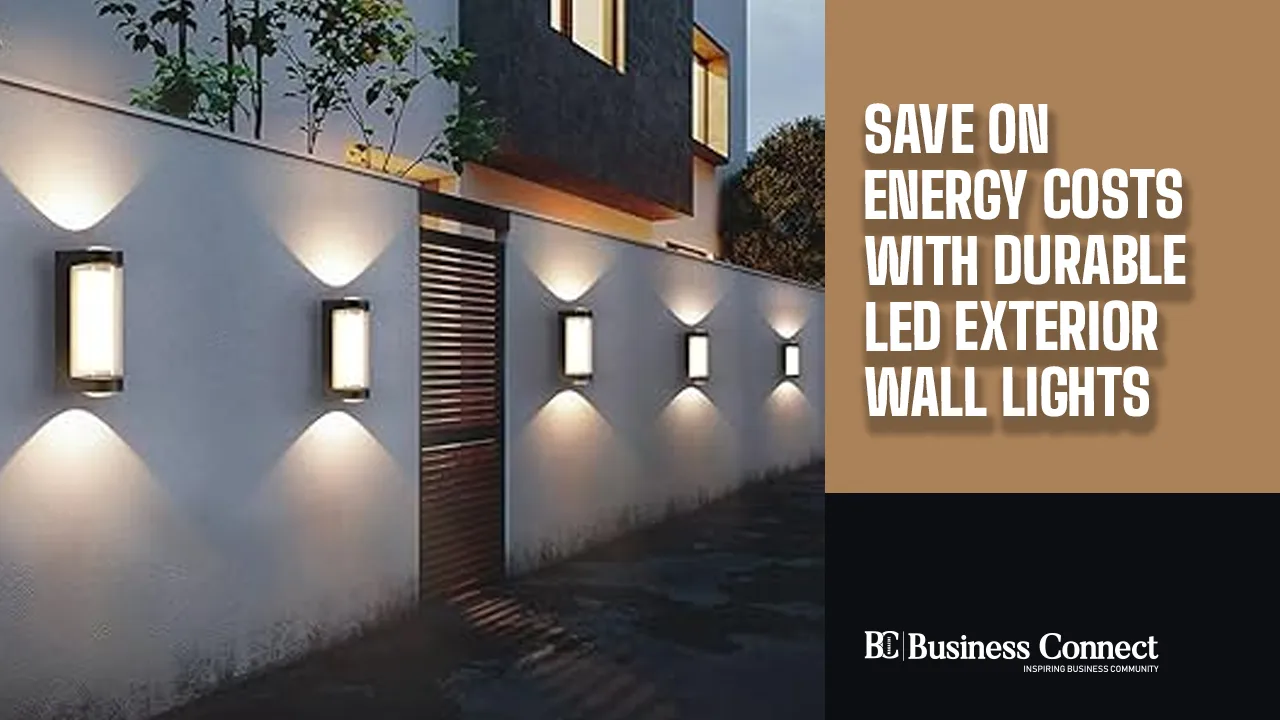
If you’ve ever winced at your electricity bill after leaving outdoor lights running all night, or found yourself replacing corroded wall fixtures yet again, you’re not alone. Homeowners across the country spend hundreds of dollars annually on inefficient outdoor lighting that barely survives a few seasons of rain, snow, and UV exposure. The cycle of high energy costs and frequent replacements is frustrating—and entirely avoidable.
LED exterior wall lights represent a fundamental shift in how we illuminate our homes’ exteriors, combining remarkable energy efficiency with construction built to endure the elements.
This article will guide you through selecting outdoor wall lights that genuinely reduce your electricity bills while standing up to harsh weather conditions year after year. You’ll learn how features like motion-activated sensors can slash unnecessary energy use, why an IP65 rating matters for reliable performance, and what makes certain fixtures outlast others. Whether you’re upgrading aging porch lights or planning a complete exterior lighting overhaul, the information ahead will help you make a confident, cost-effective decision.
Understanding LED Exterior Wall Lights: A Primer for Homeowners
LED exterior wall lights are outdoor fixtures mounted to a home’s exterior walls that use light-emitting diode technology to produce illumination. Unlike traditional incandescent or halogen wall lights that generate light by heating a filament—wasting up to 90% of energy as heat—LEDs convert electrical current directly into light through a semiconductor process. The core components include the LED chip array, a driver that regulates power delivery, a heat sink for thermal management, and a housing with a lens that directs and diffuses the light output.
Compared to conventional outdoor wall lights, LEDs offer immediate advantages that matter for residential applications. They consume a fraction of the electricity, produce minimal heat, and reach full brightness instantly without warm-up time.
Their operational lifespan typically ranges from 30,000 to 50,000 hours—roughly 15 to 25 times longer than incandescent alternatives. For homeowners seeking maximum durability, Glass Lens Wall Packs represent a particularly robust category within this space, combining commercial-grade construction with residential aesthetics.
These fixtures pair tempered glass optics with sealed LED modules, delivering consistent light quality while resisting the scratching and yellowing that plagues cheaper plastic-covered options. This combination of efficient technology and resilient design makes LED wall lights an essential upgrade for any home exterior.
Energy Efficiency: How LED Lights Drastically Reduce Electricity Costs
The energy savings from LED exterior wall lights stem from a fundamental difference in how they produce light. A traditional 100-watt halogen wall fixture can be replaced by an LED drawing just 15 to 20 watts while delivering equivalent or superior brightness.
This 80% reduction in power consumption translates directly to your electricity bill. Consider a homeowner running four exterior wall lights for eight hours nightly: switching from 100-watt halogens to 20-watt LEDs saves approximately 935 kilowatt-hours annually, which at the national average electricity rate amounts to roughly $140 per year in savings from just four fixtures.
The longevity factor compounds these savings further. Because LEDs last 30,000 to 50,000 hours compared to 2,000 hours for a typical halogen bulb, you eliminate the recurring cost of replacement bulbs and the labor involved in swapping them out on hard-to-reach exterior walls. However, the most impactful efficiency gains come from pairing LED technology with intelligent controls.
Motion-activated sensors ensure lights operate only when needed, rather than burning continuously through the night. Dusk-to-dawn photocells prevent daytime operation entirely. Together, these smart features can reduce actual runtime by 60 to 80 percent compared to manually controlled fixtures, turning already-efficient LEDs into remarkably economical performers that address the core homeowner frustration of excessive electricity costs.
Maximizing Savings with Motion-Activated Sensors
Motion-activated sensors use passive infrared technology to detect heat signatures from people, animals, or vehicles entering a defined zone. When integrated into LED exterior wall lights, these sensors keep fixtures off during periods of inactivity and trigger illumination only when movement is detected within their range—typically 15 to 40 feet depending on the model.
This approach serves dual purposes: it dramatically cuts energy waste while simultaneously enhancing home security by startling potential intruders with sudden light activation. For optimal placement, mount motion-sensor wall lights at a height of 6 to 10 feet, angled slightly downward to cover walkways, driveways, and entry points without being triggered by passing traffic or swaying tree branches.
Adjust sensitivity settings during installation to minimize false activations from pets or wind-blown debris, and set the timer duration to 30 to 60 seconds so lights extinguish quickly after motion ceases. Positioning sensors away from heat sources like HVAC vents also prevents phantom triggers that would otherwise waste the energy you’re trying to conserve.
Durability and Weather Resistance: Key Features for Long-Lasting Fixtures
Outdoor wall lights face a relentless assault from nature—driving rain, accumulated dust, temperature swings from freezing winters to scorching summers, and constant UV bombardment that degrades lesser materials. For homeowners tired of replacing corroded or cracked fixtures every couple of years, durability isn’t a luxury feature; it’s the primary requirement that determines whether a lighting investment pays off.
The construction quality of an exterior wall light directly affects its functional lifespan, and two specifications matter most: the ingress protection rating and the lens material. Fixtures built with sealed housings, corrosion-resistant metals like die-cast aluminum, and robust optical components maintain their performance and appearance through years of exposure. Cheap fixtures with thin plastic housings and snap-fit seals inevitably fail when gaskets shrink in cold weather or warp under summer heat, allowing moisture to reach electrical components and causing premature failure.
Understanding what separates weather-resistant fixtures from weather-vulnerable ones empowers homeowners to invest once in lighting that genuinely lasts, rather than repeatedly spending on replacements that never quite survive the next storm season.
Decoding IP65 Rating for Reliable Outdoor Wall Lights
The IP65 rating follows an international standard that quantifies how well an enclosure protects its internal components from environmental intrusion. The first digit, 6, indicates complete protection against dust—no particles of any size can penetrate the housing, which matters because even fine dust accumulation on LED drivers causes overheating and premature failure. The second digit, 5, certifies resistance to water jets from any direction, meaning the fixture withstands heavy rain, sprinkler spray, and pressure washing without moisture reaching internal electronics.
For homeowners, prioritizing IP65-rated fixtures eliminates the most common failure mode of outdoor lights: water infiltration that corrodes circuit boards and causes flickering, dimming, or total failure. When shopping, look for the IP65 designation printed directly on the fixture or clearly stated in manufacturer specifications—not just vague claims of being “weather resistant” or “outdoor rated.” Fixtures meeting this standard use compression gaskets, sealed wire entry points, and properly channeled drainage paths that actively prevent water pooling around vulnerable components.
Advantages of Glass Lens Wall Packs in Harsh Environments
Glass Lens Wall Packs use tempered glass optical covers rather than the polycarbonate or acrylic lenses found on budget fixtures, and this material choice delivers meaningful long-term advantages for residential installations. Tempered glass resists UV degradation entirely—it won’t yellow, haze, or become brittle after years of sun exposure the way plastic alternatives inevitably do.
This means light output remains consistent and aesthetically clean rather than progressively dimming behind a clouded, discolored cover. Glass also resists surface scratching from windblown debris, salt air in coastal environments, and routine cleaning, maintaining optical clarity that plastic loses within just a few seasons.
From a maintenance perspective, glass lenses require only occasional wiping with a damp cloth to restore full transparency, while degraded plastic lenses eventually need complete replacement. The superior light diffusion properties of glass also produce more uniform illumination patterns with fewer hot spots, creating better-quality light across walkways and entryways.
Manufacturers like Hyperlite offer glass lens wall pack options that pair this optical durability with efficient LED modules, making them a practical choice for homeowners in regions with extreme weather—coastal salt spray, desert sand, heavy snowfall, or intense summer sun—who want truly install-and-forget exterior lighting.
Choosing the Right LED Exterior Wall Lights: A Step-by-Step Guide
Selecting the ideal LED exterior wall lights requires balancing several factors that directly affect both your energy savings and long-term satisfaction with the fixtures. Start with brightness requirements—measured in lumens rather than watts.
Entryways and high-traffic areas typically need 700 to 1,300 lumens for adequate visibility and security, while accent or pathway lighting works well at 150 to 400 lumens. Choosing fixtures with appropriate output prevents both the discomfort of over-lit spaces and the safety risks of under-lit walkways.
Color temperature shapes the ambiance your exterior projects. Warm white light in the 2700K to 3000K range creates a welcoming residential feel suited to front porches and entertaining areas, while neutral white at 4000K to 5000K provides crisper visibility for security-focused applications like side yards and garage entries. Consider your home’s architectural style when evaluating fixture designs—modern flat-panel wall packs complement contemporary facades, while lantern-style LED fixtures suit traditional or craftsman homes without sacrificing efficiency.
Beyond aesthetics, prioritize functional features that compound your savings. Look for integrated motion-activated sensors if the fixture will serve security or utility areas, and dusk-to-dawn photocells for decorative fixtures that should operate automatically.
Always verify the IP65 rating for any fixture exposed to direct weather, and favor models with glass lenses over plastic for installations facing south or west where UV exposure is most intense. Finally, check that the fixture’s LED driver is rated for your climate’s temperature extremes, as driver failure in extreme cold or heat remains a common cause of premature fixture death.
Evaluating Energy Efficiency and Cost-Effectiveness
To calculate your potential savings, multiply each fixture’s wattage by daily operating hours, then multiply by 365 days and divide by 1,000 to get annual kilowatt-hours consumed. Compare this figure between your current fixtures and prospective LED replacements, then multiply the difference by your local electricity rate to see annual dollar savings.
Look for ENERGY STAR certified fixtures, which undergo independent testing to verify they meet strict efficiency thresholds and deliver at least 90% of their rated light output after 6,000 hours of operation. When comparing LED options against each other, evaluate lumens per watt—efficient models deliver 100 or more lumens per watt, while lower-quality LEDs may produce only 60 to 80.
Also factor in the elimination of replacement bulb costs and the reduced maintenance time you’ll reclaim over the fixture’s decades-long lifespan, which often makes a slightly higher upfront investment the more economical choice within the first two years of ownership.
Ensuring Durability Through Proper Specifications
Verifying durability before purchase prevents costly disappointments. Confirm the IP rating appears in official product specifications or certification documents rather than only in marketing descriptions. Examine housing material—die-cast aluminum with powder coating offers superior corrosion resistance compared to stamped steel or injection-molded plastic. For lens material, specify tempered glass whenever the fixture will face prolonged sun exposure, salt air, or abrasive conditions.
Check the manufacturer’s warranty carefully: reputable brands back their exterior fixtures with five-year or longer warranties covering LED driver failure and housing integrity, while short one-year warranties often signal lower build quality. Ask whether the warranty covers the fixture’s rated operating conditions in your specific climate, and retain purchase documentation to simplify any future claims. These verification steps take minutes during the shopping process but save years of frustration and replacement expenses afterward.
Upgrade Your Exterior Lighting for Lasting Savings and Durability
LED exterior wall lights deliver on two promises that matter most to homeowners: they meaningfully reduce electricity costs and they last long enough to justify the investment. The energy savings are substantial and immediate—switching from traditional fixtures to LEDs can cut outdoor lighting electricity use by 80 percent, and adding motion-activated sensors pushes those savings even further by eliminating hours of unnecessary operation every night.
On the durability front, fixtures built with IP65-rated housings and tempered glass lenses resist the moisture infiltration, UV degradation, and corrosion that destroy lesser products within a few seasons. Together, these qualities break the expensive cycle of high bills and frequent replacements that frustrates so many homeowners. The path forward is straightforward: assess your current exterior fixtures honestly, calculate what they’re costing you in energy and replacements, and prioritize LED options that pair verified weather resistance with smart controls.
If your existing lights are aging, inefficient, or showing signs of weather damage, now is the ideal time to upgrade. Consult with a qualified electrician for complex installations, and choose fixtures backed by strong warranties from reputable manufacturers. The investment pays for itself quickly—and keeps paying dividends for decades.