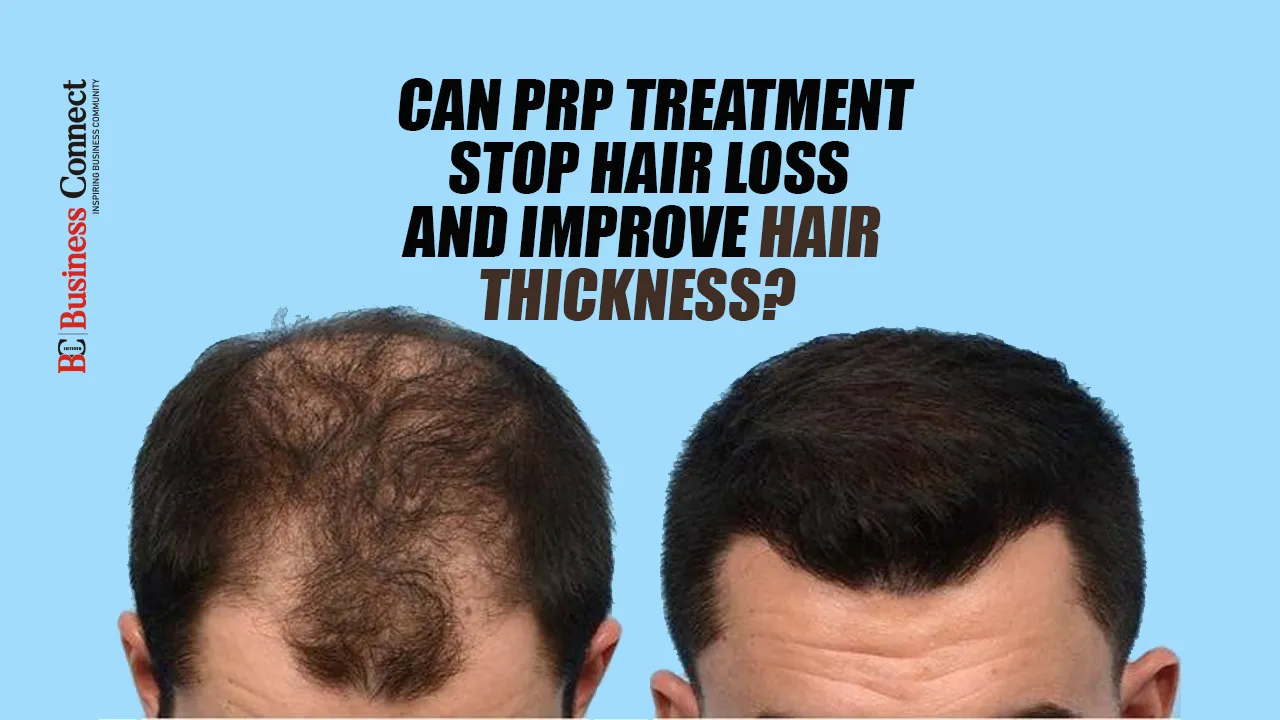
Hair loss often develops gradually, making it difficult to know when treatment should begin. Many people consider PRP because it uses the body’s natural healing components to support healthier hair growth.
While PRP has become a recognised option for certain types of hair loss, it is important to understand what results are realistic. Knowing how the treatment works helps patients make informed decisions before starting therapy.
How PRP Supports Healthier Hair Growth
PRP works by concentrating platelets from a small sample of the patient’s own blood before injecting them into targeted areas of the scalp. Patients should also know that they might experience some hair fall after PRP as part of the normal treatment process, while treatment plans are personalised because the cause of hair loss, scalp condition, and treatment goals differ from one patient to another.
Can PRP Actually Reduce Hair Loss?
PRP does not work by creating new hair follicles. Instead, it aims to improve the function of follicles that remain active, helping them produce healthier and stronger hair over time.
1. Active Hair Follicles Respond More Effectively
PRP works best when hair follicles remain alive, even if they have become weaker. Active follicles provide the greatest opportunity for measurable improvement.
People who begin treatment during the earlier stages of thinning often have more functioning follicles available. This creates a better environment for gradual improvement.
2. Reduced Hair Shedding Often Appears First
Many patients notice less hair falling before they see visible changes in thickness. Reduced shedding is often one of the earliest signs that treatment is working.
This early improvement reflects changes within the hair growth cycle rather than immediate regrowth. Visible density usually develops over a longer period.
3. Hair Thickness Improves Gradually
Hair grows through natural cycles that cannot be accelerated overnight. Gradual improvement is therefore expected throughout the treatment process.
Existing hairs often become stronger before noticeable increases in density appear. Comparing photographs usually shows progress more clearly than daily observation.
4. Treatment Works Differently for Everyone
Every patient responds according to their individual biology and the cause of hair loss. Individual variation remains an important part of every treatment plan.
Two patients receiving identical PRP sessions may experience different timelines. Personal healing patterns influence how quickly follicles respond.
5. Consistency Supports Better Outcomes
PRP is normally delivered as a treatment course rather than a single appointment. Treatment consistency allows each session to build on previous progress.
Missing appointments or delaying sessions may reduce the cumulative effect of treatment. Following the recommended schedule supports healthier follicle activity.
6. Early Assessment Creates More Options
Hair loss usually becomes more difficult to manage as follicles continue shrinking. Early intervention allows treatment to begin while more follicles remain active.
Seeking professional advice soon after noticing thinning often provides more opportunities to slow progression and improve hair quality.
Factors That Help Maximise PRP Results
Although PRP supports natural hair growth, the overall outcome also depends on daily habits, treatment consistency, and careful follow up. Small decisions throughout the treatment journey often contribute to better long term results.
- Complete the Recommended Sessions: Finishing the planned treatment course allows PRP enough time to stimulate active follicles.
- Attend Regular Reviews: Follow up appointments help monitor progress and determine whether adjustments are needed.
- Follow Aftercare Advice: Protecting the scalp after each session supports normal healing and recovery.
- Maintain a Healthy Lifestyle: Good nutrition, quality sleep, and stress management contribute to healthier hair growth.
- Monitor Progress With Photographs: Comparing images over time provides a clearer picture than relying on memory.
- Be Patient With the Process: Hair grows in cycles, so meaningful improvements usually take several months.
- Discuss Concerns Early: Reporting unexpected changes allows your clinician to review the treatment plan promptly.
What Can Patients Realistically Expect From PRP?
No treatment produces identical results for everyone because hair loss develops differently from person to person. People considering PRP hair treatment should understand that success depends on careful assessment, realistic expectations, and ongoing monitoring rather than a single treatment session.
1. Hair Quality May Improve Before Density
Many patients first notice changes in the texture and strength of existing hair. Improved hair quality often appears before obvious increases in overall thickness.
Hair may feel healthier and look fuller even before significant regrowth becomes visible. These gradual improvements usually continue throughout the treatment course.
2. Mild Hair Loss Often Responds More Predictably
People seeking treatment during the earlier stages of thinning often retain more functioning follicles. Earlier treatment may improve the opportunity for positive results.
When follicles remain active, PRP has a better chance of supporting stronger growth. This is one reason why early assessment is frequently recommended.
3. Long Standing Hair Loss Needs Careful Evaluation
Hair loss that has continued for many years may require different expectations. Advanced thinning often means fewer active follicles remain available for stimulation.
A detailed scalp assessment helps determine whether PRP is appropriate or whether additional treatment options should also be considered.
4. Maintenance Helps Preserve Progress
PRP does not permanently stop hereditary hair loss because the underlying process usually continues over time. Maintenance sessions help support long term results.
Many patients return for periodic treatments after completing their initial course. Regular reviews help determine the most suitable maintenance schedule.
5. Lifestyle Choices Continue to Matter
Healthy hair depends on more than injections alone. Daily habits continue influencing scalp health throughout and after treatment.
Balanced nutrition, reduced stress, quality sleep, and avoiding smoking all support healthier hair follicles and complement clinical treatment.
6. Success Is Measured Over Months
Hair follicles need time to complete their natural growth cycle before visible changes appear. Long term progress provides a more accurate measure of treatment success.
Many patients notice steady improvements across several months rather than dramatic changes after one appointment. Patience remains an important part of the process.
Supporting Long Term Hair Health After PRP
Achieving good results is only one part of the journey. Looking after your scalp and maintaining healthy routines help protect the improvements gained through treatment over time.
- Protect Your Scalp: Avoid unnecessary irritation and follow your clinician’s advice after every session.
- Maintain Follow Up Visits: Regular reviews help identify changes before they become more noticeable.
- Continue Healthy Habits: A balanced diet, good hydration, and quality sleep support normal hair growth.
- Manage Expectations: Understand that PRP strengthens existing follicles rather than creating new ones.
- Stay Consistent: Long term commitment often produces better outcomes than stopping treatment too early.
- Ask Questions: Speak with your clinician whenever you notice changes or have concerns about progress.
- Review Your Plan Periodically: Hair loss can change over time, so treatment plans should be reassessed when needed.
Conclusion
PRP can help reduce hair shedding and improve hair thickness for suitable candidates, but results develop gradually rather than immediately. Success depends on early assessment, consistent treatment, realistic expectations, and ongoing care. Working closely with an experienced clinician allows patients to make informed decisions while supporting healthier hair over the long term.