From Mumbai to Pune: Top 20 Developed Cities Shaping Modern India in 2026
Written By Anurag Tiwari
India is rapidly transforming into a global powerhouse of innovation, technology, and infrastructure fastest growing cities in India. Over the past few decades, several Indian cities have evolved into economic engines driving national growth. From world-class metro systems to thriving startup hubs, the level of urban development in India today stands as a testament to its resilience and progress,India’s modern cities in 2025-2026.
Here’s a look at the top 20 developed cities in India (2026-27) — cities that blend modern infrastructure, business opportunities, and cultural richness.
1. Mumbai, Maharashtra
Often called the Financial Capital of India, Mumbai is home to the Bombay Stock Exchange (BSE), Reserve Bank of India, and headquarters of numerous global corporations. Economic development in Indian cities Its modern skyline, local trains, and diverse culture make it India’s most vibrant city. Mumbai, formerly known as Bombay, is a heavily populated metropolis on the west coast of India.
It is the biggest city in India and a financial hub. Smart cities in India The famous Gateway of India stone arch, constructed by the British Raj in 1924, is located on the shoreline of Mumbai Harbour. Ancient cave temples to the Hindu deity Shiva can be found offshore on neighboring Elephanta Island. The city is well-known for being the center of the Bollywood film industry.

Highlights: BKC Business District, Mumbai Metro, Film City, Jio World Centre.
GDP Contribution: ₹30 lakh crore (approx.)
2. Delhi (NCT)
India’s capital, Delhi, is a sizable metropolis in the north of the nation. The vast Jama Masjid mosque, which can hold 25,000 people in its courtyard, and the majestic Red Fort, a symbol of India from the Mughal Empire, are located in Old Delhi, a neighborhood that goes back to the 1600s. Chandni Chowk, a bustling bazaar with food carts, candy stores, and spice vendors, is close by. Indian cities with best infrastructure The national capital seamlessly blends history with modernity. From wide expressways to smart urban planning, Delhi offers world-class infrastructure and connectivity.
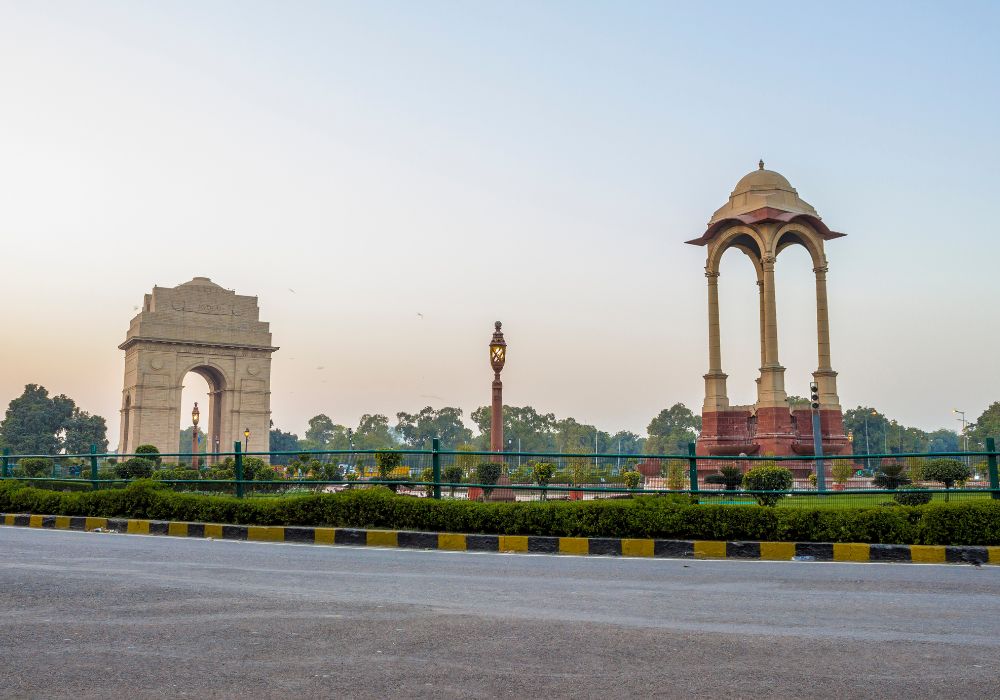
Highlights: Delhi Metro, AIIMS, CP Business Hub, DIAL Airport.
Known for: Administrative power, education, and tourism.
3. Bengaluru, Karnataka
The capital of the southern Indian state of Karnataka is Bengaluru, popularly known as Bangalore. In addition to being the hub of India’s high-tech sector, the city is well-known for its parks and vibrant nightlife. Vidhana Soudha is a Neo-Dravidian legislative structure near Cubbon Park. Former royal homes include Tipu Sultan’s Summer Palace, an 18th-century teak building, and Bangalore Palace, a 19th-century building built after England’s Windsor Castle. Known as the Silicon Valley of India, Bengaluru is the epicenter of India’s IT revolution. Home to global tech giants and thousands of startups, it’s a city where innovation thrives.

Highlights: Electronic City, Whitefield, Manyata Tech Park.
Specialty: Technology, startups, R&D.
4. Hyderabad, Telangana
Telangana, a state in southern India, with Hyderabad as its capital. It is home to several premium eateries and retail establishments and is a significant hub for the technology sector. Golconda Fort, the historical seat of the Qutb Shahi dynasty and a hub for diamond trade, is one of its historic landmarks. Near the historic Laad Bazaar lies the Charminar, a 16th-century mosque with four arches supporting tall minarets. Hyderabad has become a magnet for IT, pharma, and biotech industries. The city’s infrastructure, safety, and affordability have made it a global investment hotspot.

Highlights: HITEC City, Genome Valley, Hyderabad Metro.
Nickname: Cyberabad.
5. Chennai, Tamil Nadu
Tamil Nadu’s capital is Chennai, which is located on the Bay of Bengal in eastern India. Fort St. George, which was constructed in 1644 and is currently a museum highlighting the city’s history as an East India Company commercial outpost and British military fortress when it was known as Madras, is located in the city. Religious landmarks include St. Mary’s, an Anglican church from the 17th century, and Kapaleeshwarar Temple, which is decorated with painted and carved gods. A thriving coastal metropolis, Chennai is known for its automobile, software, and manufacturing sectors.
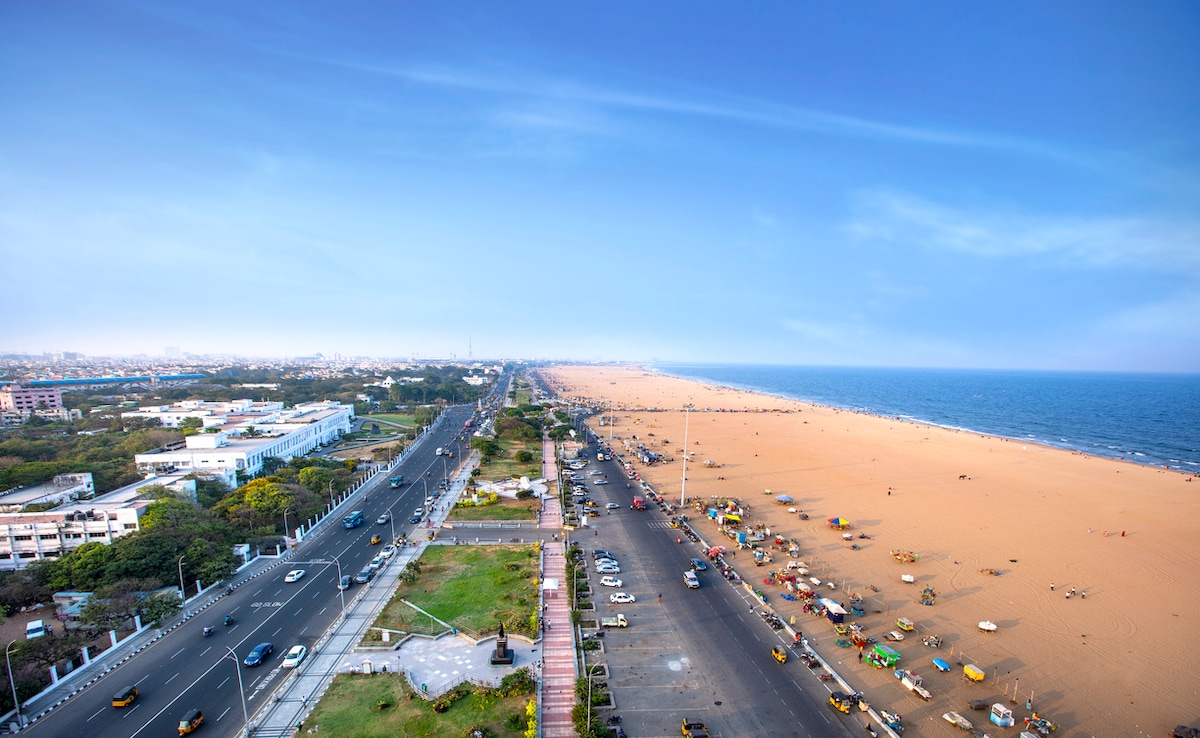
Highlights: OMR IT Corridor, Chennai Port, Metro Rail.
Specialty: Automobile capital of India.
6. Pune, Maharashtra
Maharashtra, a state in western India, contains the expansive metropolis of Pune. From 1674 to 1818, it served as the headquarters of the Maratha Empire’s Peshwas, or prime ministers. It is well-known for the magnificent Aga Khan Palace, which was constructed in 1892 and is currently a memorial to Mahatma Gandhi, whose remains are kept in the grounds. The Hindu deity Shiva is honored in the Pataleshwar Cave Temple, which dates back to the eighth century. Pune has evolved from a cultural capital to an educational and IT hub. It boasts modern infrastructure and a youthful population.

Highlights: Hinjewadi IT Park, Oxford of the East tag, Smart City projects.
Focus Sectors: IT, education, manufacturing.
7. Ahmedabad, Gujarat
Gujarat’s largest city is Ahmedabad, located in western India. Its center is traversed by the Sabarmati River. The Gandhi Ashram in Sabarmati, located on the western bank, showcases the living quarters and memorabilia of the spiritual leader. The Calico Museum of Textiles, located across the river, was formerly the home of a cloth trader and now houses a sizable collection of both contemporary and historical textiles. Ahmedabad has emerged as one of India’s most business-friendly cities with excellent road networks, industrial parks, and an international airport.

Highlights: GIFT City (nearby Gandhinagar), Sabarmati Riverfront.
Specialty: Textile and finance hub.
8. Kolkata, West Bengal
The capital of the Indian state of West Bengal is Kolkata, formerly known as Calcutta. Originally established as a trade center for the East India Company, it served as India’s capital during the British Raj from 1773 to 1911. It is currently renowned for its art galleries, cultural events, and magnificent colonial architecture. Mother Teresa, whose burial is located there, created the Missionaries of Charity, and Mother House, their headquarters, is located there as well. The “City of Joy” has transformed into a major financial and commercial center of Eastern India, while retaining its cultural heritage.
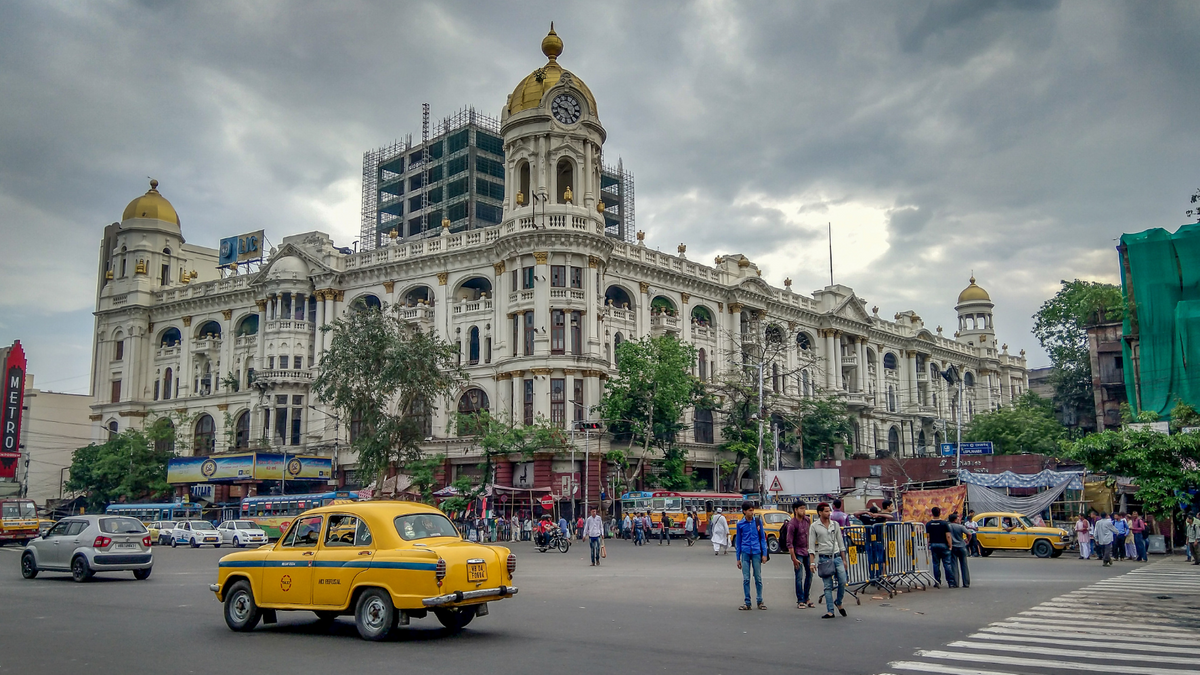
Highlights: IT parks in Salt Lake Sector V, East-West Metro.
Specialty: Banking, education, arts.
9. Gurugram, Haryana
Gurgaon is a northern Indian city located southwest of New Delhi. It is regarded as a center for technology and finance. The Kingdom of Dreams is a huge theater complex. Sheetala Mata Mandir is a Hindu temple with stripes of orange and white. Prints and cameras from a century ago are on display at the Vintage Camera Museum. Hundreds of bird species may be seen in Sultanpur National Park, which is located west of the city. A futuristic city with skyscrapers and global offices, Gurugram has redefined urban living.

Highlights: Cyber City, Rapid Metro, luxury housing.
Specialty: Corporate headquarters, startups, finance.
10. Noida, Uttar Pradesh
In the northern Indian state of Uttar Pradesh, there is a planned metropolis called Noida. Jackals, butterflies, and both local and migratory birds may be found in the riverbank Okhla Bird Sanctuary. Water lilies and cactus are among the plants found at the Indian Republic Botanic Garden. Lord Krishna’s life is shown in a diorama at the ISKCON Noida temple. Surajkund Lake, a reservoir from the tenth century with the remnants of a sun temple, is located southwest of Noida. Part of the Delhi NCR, Noida is a major technology and manufacturing hub. It offers wide roads, modern infrastructure, and global investments.
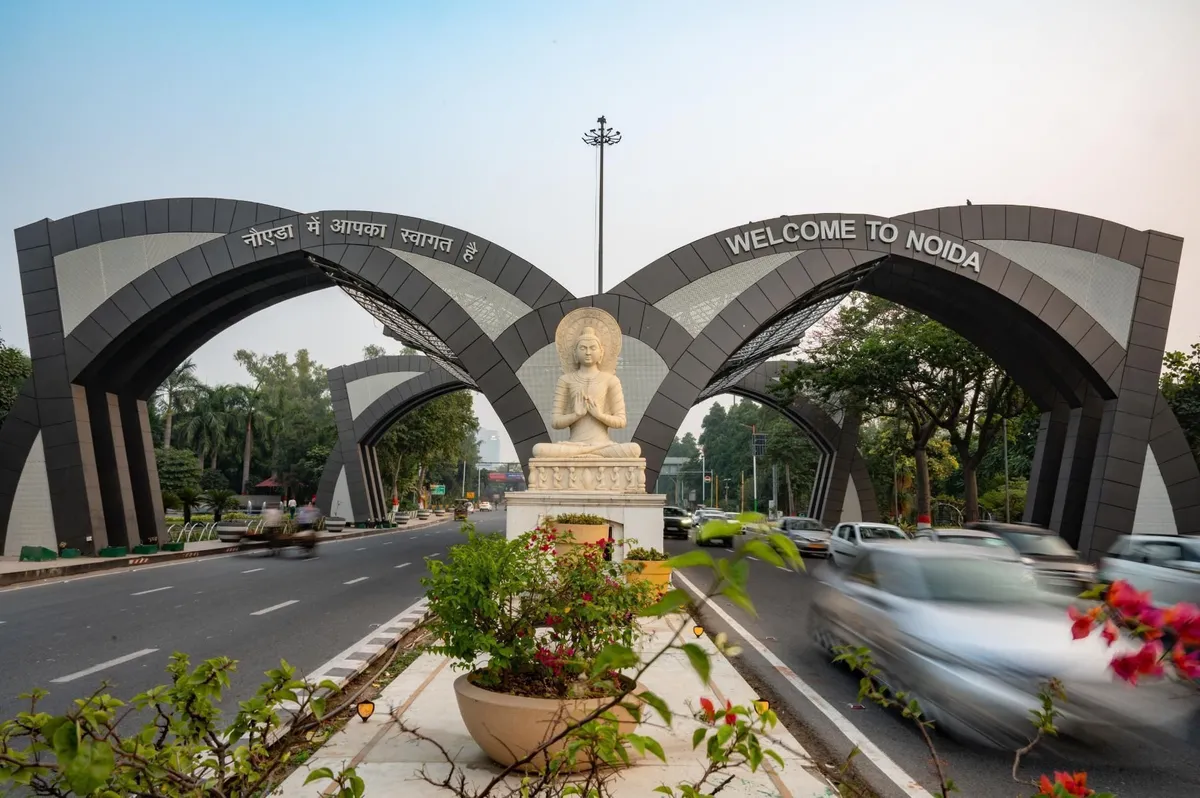
Highlights: Film City, Jewar Airport (under development).
Specialty: Electronics, IT, real estate.
11. Surat, Gujarat
In the western Indian state of Gujarat, Surat is a sizable city next to the Tapi River. Surat, which was formerly well-known for its silk weaving, is still a major textile industry, with fabric stores lining the New Textile Market area. Built in the 1500s to protect the city against Portuguese colonists, Surat Castle has a view of the river. There are ornate graves from the colonial era in the nearby Dutch, Armenian, and English cemeteries. Surat’s growth story is remarkable — from diamond polishing to one of India’s cleanest and fastest-growing cities.

Highlights: Diamond Bourse, Textile industry, Smart City projects.
Specialty: Industrial and trade excellence.
12. Jaipur, Rajasthan
The capital of the Indian state of Rajasthan is Jaipur. It alludes to the royal dynasty that formerly governed the area and established what is now known as the Old City, or “Pink City” due to its distinctive architectural color, in 1727. The lavish, colonnaded City Palace complex is located in the heart of its magnificent street grid, which is noteworthy in India. A portion of it is still a royal house, complete with gardens, courtyards, and museums. The Pink City is no longer just a tourist spot; it’s a rising business and IT destination.
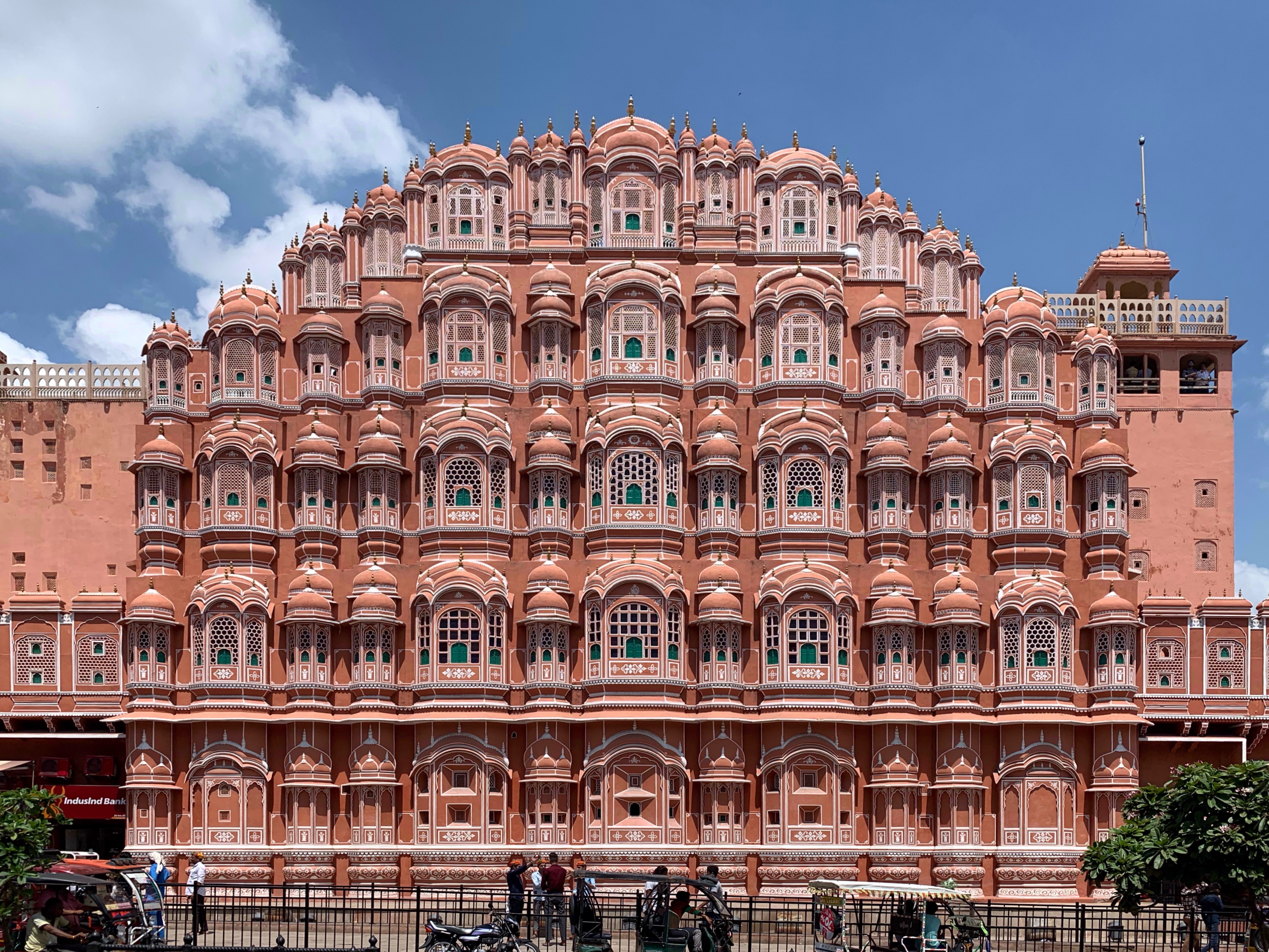
Highlights: Mahindra World City, Metro Rail, Startup ecosystem.
Specialty: Tourism, gems & jewelry, handicrafts.
13. Chandigarh
India’s first planned city designed by Le Corbusier, Chandigarh stands out for its urban planning, cleanliness, and lifestyle. Le Corbusier, a Swiss-French modernist architect, created Chandigarh, the capital of the northern Indian provinces of Punjab and Haryana. His structures include the enormous Open Hand Monument and the Capitol Complex, which houses the Legislative Assembly, Secretariat, and High Court. The neighboring Rock Garden is a park with stone sculptures, reclaimed ceramics, and industrial artifacts.

Highlights: Smart City model, high per-capita income.
Specialty: Administration, education, architecture.
14. Indore, Madhya Pradesh
Indore has repeatedly been ranked as India’s cleanest city and is becoming an emerging business hub in central India. West-central India is home to the city of Indore. It is well-known for the seven-story Rajwada Palace and the Lal Baag Palace, both of which are remnants of the Holkar dynasty of 19th-century Indore. At Chhatri Baag, a collection of graves and cenotaphs memorialize the Holkar kings. Street food is sold in Sarafa Bazar, a night market. The clock tower and Indo-Gothic Gandhi Hall are located in the east. The inside of the Jain temple Kanch Mandir is covered with mirrored mosaics.
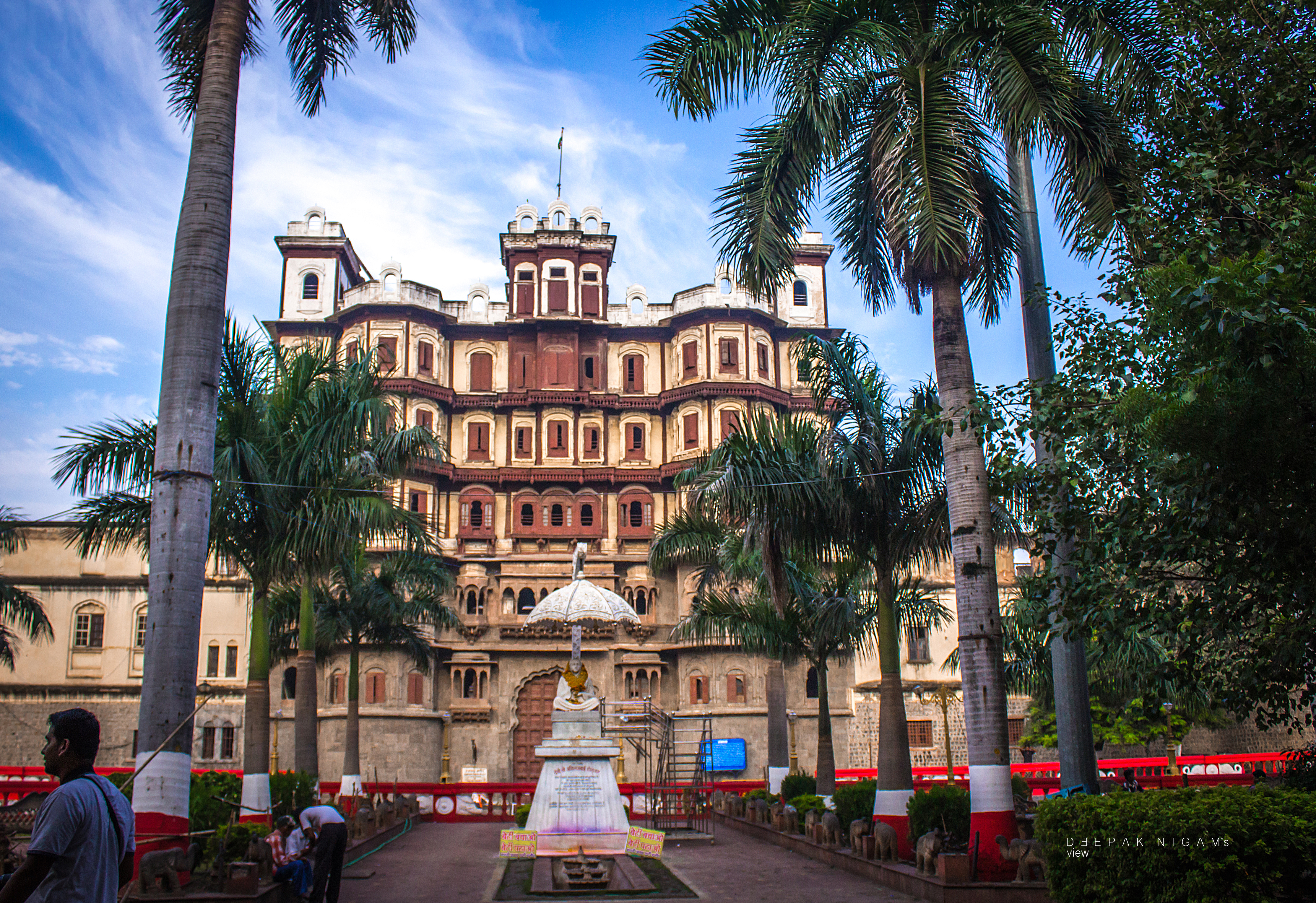
Highlights: IT parks, Metro construction, smart waste management.
Specialty: Commerce, manufacturing, cleanliness.
15. Lucknow, Uttar Pradesh
Lucknow is fast modernizing with metro projects, industrial corridors, and a booming startup culture. The capital of the state of Uttar Pradesh is Lucknow, a sizable metropolis in northern India. Rumi Darwaza, a Mughal gateway, is located near its center. There is a large arched hall at the nearby Bara Imambara shrine, which dates back to the 18th century. Bhool Bhulaiya is a labyrinth of winding passageways above, with views of the city from its upper balconies. Nearby, the imposing Victorian Husainabad Clock Tower was constructed in 1881 as a victory column.

Highlights: Gomti Riverfront, IT City, Metro Rail.
Specialty: Education, business, government services.
16. Coimbatore, Tamil Nadu
Known as the Manchester of South India, Coimbatore is an industrial powerhouse with a growing IT presence. Tamil Nadu, a state in southern India, contains the city of Coimbatore. The centuries-old, Dravidian-style Arulmigu Subramaniyaswami Temple at Marudamalai is located to the northwest. Southeast of this location is the vibrant and elaborately sculpted Arulmigu Patteeswarar Swamy Temple. The Gass Forest Museum, located in the center, features an enormous collection of preserved animals and tree trunks. Singanallur Lake is home to birds and butterflies in the southeast.

Highlights: Textiles, precision engineering, education hubs.
Specialty: Manufacturing and exports.
17. Nagpur, Maharashtra
Nagpur is emerging as a logistics and industrial hub, strategically located in the heart of India. The state of Maharashtra in central India has the sizable city of Nagpur. Fossils, sarcophagi, and Mughal weapons are among the indigenous artifacts on show at the 19th-century Nagpur Central Museum. The Raman Science Center features a planetarium and interactive displays. A fight took place at Sitabuldi Fort on the Sitabuldi Hills in 1817. The massive, domed Deekshabhoomi is a Buddhist monument and pilgrimage place to the southwest.
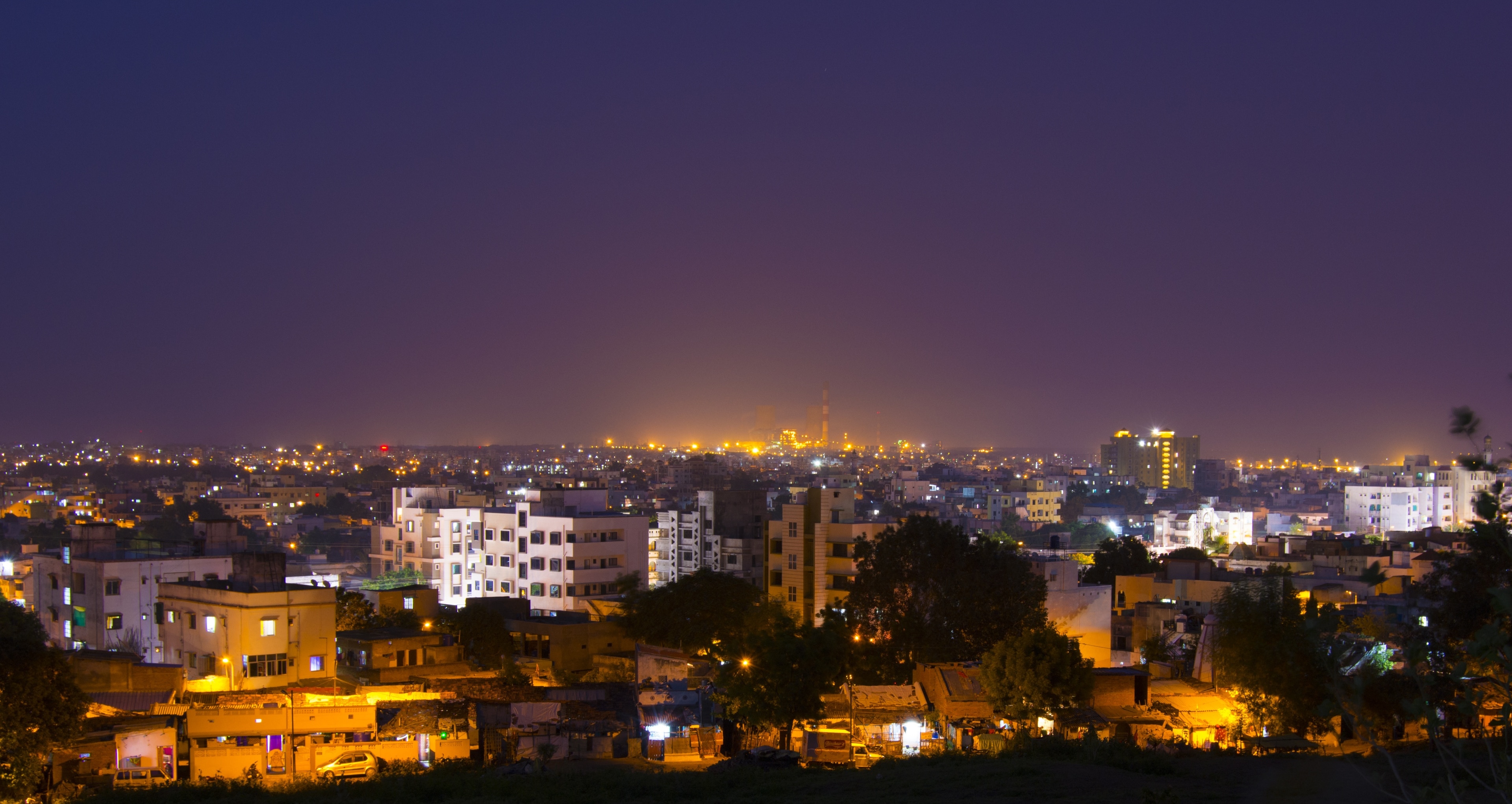
Highlights: MIHAN Project, Metro, Zero Mile connectivity.
Specialty: Logistics, defense manufacturing.
18. Kochi, Kerala
Kochi has transformed into a vibrant port city with booming tourism, IT, and shipping industries.Kochi, often called Cochin, is a city in the coastal state of Kerala in southwest India. Since a flood in 1341 hollowed out its harbor and made it accessible to Arab, Chinese, and European traders, it has been a port. Fort Kochi, a hamlet with tiled colonial homes and a variety of buildings of worship, is one location that reflects such influences. Chinese fishing nets with cantilevers, which are characteristic to Kochi, have been used for generations.
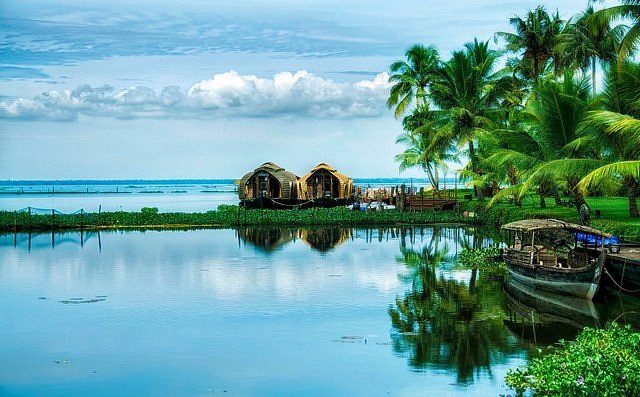
Highlights: Smart City Kochi, Kochi Metro, Infopark.
Specialty: Marine trade, tourism, IT.
19. Bhubaneswar, Odisha
A model smart city blending modern infrastructure with ancient heritage. In the eastern Indian state of Odisha (previously Orissa), there is an old city called Bhubaneswar. Around Bindu Sagar Lake in the ancient city are several sandstone monuments, such as the Hindu Lingaraja Temple from the eleventh century. The guardians of the eight cardinal and ordinal directions are shown in sculpture outside Rajarani Temple. The Odisha State Museum is filled with Jain artifacts, weapons, and native pattachitra paintings.

Highlights: IT parks, planned roads, affordable living.
Specialty: Education, IT, governance.
20. Vishakhapatnam, Andhra Pradesh
Commonly known as Vizag, this coastal city is becoming an industrial and IT hub of South India. Located on the Bay of Bengal in the Indian state of Andhra Pradesh, Visakhapatnam is a port city and industrial hub. It is well-known for its several beaches, such as Ramakrishna Beach, where the Kursura Submarine Museum has a restored submarine. The magnificent Kali Temple and the Visakha Museum, an antique Dutch villa with local historical and marine displays, are close by.
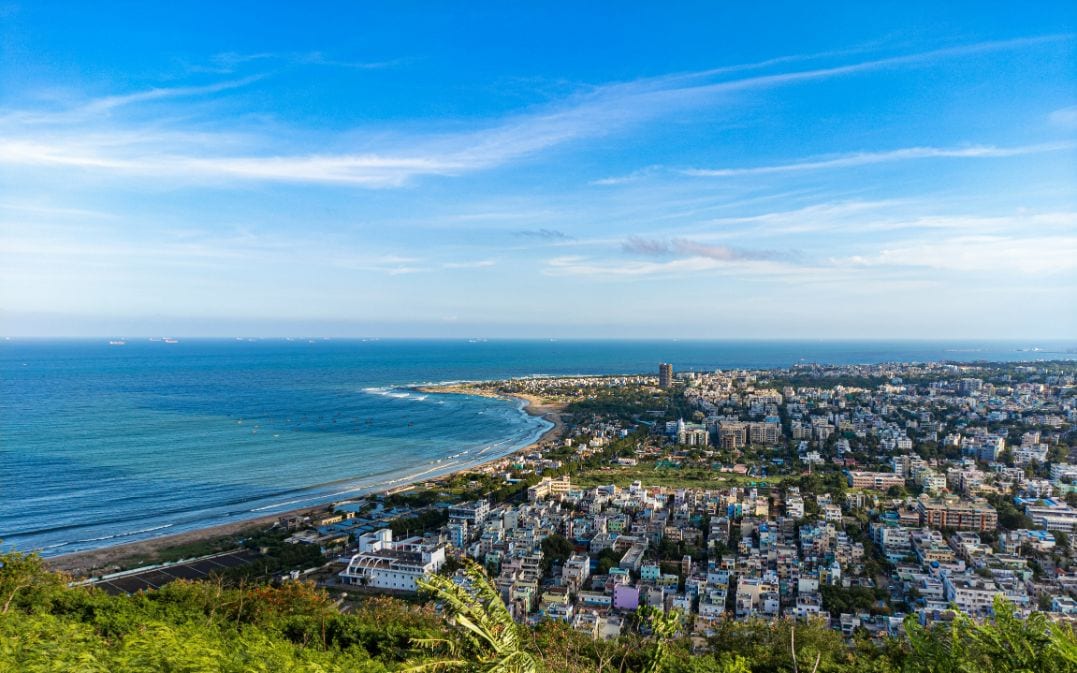
Highlights: Visakhapatnam Port, Startup Village, Metro plans.
Specialty: Shipping, IT, tourism.
Conclusion
India’s development story is not confined to one region — from Mumbai’s financial towers to Indore’s cleanliness drive, every city contributes uniquely to the country’s progress. With smart city projects, advanced infrastructure, and a youthful workforce, India’s urban landscape in 2025–26 represents innovation, opportunity, and sustainability.
FAQs — Top 20 Developed Cities in India
1. Which is the most developed city in India?
Mumbai is considered the most developed city in India 2025-26. It is the country’s financial capital and home to major corporate headquarters, stock exchanges, and international trade hubs. Its infrastructure, connectivity, and global business influence make it India’s most advanced metropolis.
2. Which is the cleanest developed city in India?
Indore has been ranked India’s cleanest city for several consecutive years under the Swachh Survekshan mission. Its efficient waste management, public discipline, and smart city planning make it a role model for urban India.
3. Which is the fastest-growing city in India?
Hyderabad and Pune are currently among the fastest-growing cities in India. Both are witnessing rapid development in the IT, real estate, and manufacturing sectors, attracting global investors and skilled professionals.
4. Which city is known as the Silicon Valley of India?
Bengaluru (Bangalore) is known as the Silicon Valley of India due to its thriving IT industry, innovation centers, and startup ecosystem. It houses major tech companies like Infosys, Wipro, and global R&D facilities.
5. Which city is the best for business and startups in India?
Bengaluru, Gurugram, and Hyderabad are top choices for startups and business development because of their strong IT infrastructure, availability of skilled talent, and investor-friendly environment.
6. Which is the most industrially developed city in India?
Ahmedabad, Surat, and Chennai are among the most industrially developed cities. They lead in textiles, automobiles, and manufacturing sectors, contributing significantly to India’s GDP.
7. Which Indian city has the best infrastructure?
Delhi NCR (including Noida and Gurugram) has some of the best urban infrastructure in India — featuring expressways, metro networks, modern airports, and planned residential zones.
8. Which is the best smart city in India?
Bhubaneswar and Pune consistently rank high in India’s Smart Cities Mission due to their sustainable urban planning, e-governance, and efficient transportation systems.
9. Which city in India is best to live in 2026?
According to livability and job opportunity reports, Bengaluru, Pune, and Chandigarh are among the best Indian cities to live in — offering a blend of employment options, safety, and lifestyle quality.
10. What are the future upcoming developed cities in India?
Cities like Nagpur, Lucknow, and Vishakhapatnam are emerging as India’s future development hubs, with ongoing projects in logistics, IT, and infrastructure backed by government and private investment.
11. Which city has the highest GDP in India?
Mumbai leads with the highest GDP among all Indian cities, followed by Delhi and Bengaluru. Its finance, film, and service industries make it the economic heart of the nation.
12. Which city is the safest for women in India?
As per various surveys, Chennai, Pune, and Bangalore are considered relatively safer cities for women due to better law enforcement and public awareness.