A hairstyle is often seen as a beauty choice, but in reality, it does much more than improve appearance.
It shapes first impressions. It influences confidence. It affects how a person presents themselves in everyday life. In a world where people move constantly between work, social settings, video calls, and digital profiles, personal presentation has become more visible than ever.
That is one reason face shape hairstyle ideas matter more today than they did in the past.
People are no longer looking for a haircut that is simply trendy. They want one that feels right on them — one that supports their features, reflects their personality, and fits naturally into the way they live.
Why Hairstyles Feel More Personal Today
A haircut used to feel like a routine salon decision.
Now it often feels like part of a person’s identity.
People think more carefully about how they want to be perceived. Some want to look polished and professional. Others want softness, confidence, creativity, or a stronger sense of individuality. Hair plays a surprisingly large role in all of that because it frames the face before almost anything else is noticed.
This is why hairstyle choices now feel more personal than many other beauty decisions.
The right cut can make someone feel sharper, lighter, more balanced, or simply more like themselves. The wrong one can do the opposite, even if it looks attractive on someone else.
Why So Many People Still Choose the Wrong Haircut
One of the biggest reasons haircut decisions go wrong is simple: people choose a style based on what looks good in a photo, not on what truly suits them.
That mistake is common because inspiration is everywhere. Social media, celebrity beauty content, and fast-moving trends constantly present new looks that feel aspirational. But aspiration is not the same as compatibility.
A haircut may look striking in a reference image and still feel awkward in real life.
That is where face shape hairstyle ideas become useful. They do not limit creativity. They create direction.
When a style works with facial proportions instead of fighting them, the final result usually feels more natural. Features appear clearer. The haircut feels more intentional. The person wearing it often looks more comfortable in it.
That difference matters because confidence is usually built on subtle alignment, not dramatic change.
Face Shape Is Less About Rules and More About Presence
Some people avoid face-shape advice because it sounds too rigid.
But the most practical way to understand it is much simpler: face shape helps explain why some hairstyles improve visual balance and others do not.
That balance affects presence.
A haircut that brings softness to sharper features can make someone look more approachable. A style that creates structure around a softer face can make the overall look feel more defined. A cut that works with natural proportion often makes the face feel more open, expressive, and easy to read.
In everyday terms:
- some faces benefit from more softness
- some need more shape or structure
- some suit width better than length
- some are best supported by lighter, more open framing
That is why the same haircut can feel elegant on one person and strangely unconvincing on another.
The question is not only, “Is this hairstyle popular?”
It is also, “What does this hairstyle communicate on me?”
Why Texture and Routine Shape the Final Result
Face shape matters, but it is not the whole story.
Hair texture changes everything. Fine hair behaves differently from thick hair. Straight hair responds differently from waves, curls, or coils. A style that looks airy in one photo may feel flat on one person and too full on another.
Routine matters too.
A haircut might look ideal right after styling, but the real test happens later. Does it still work on an ordinary weekday? Does it hold up during a long day out, a rushed morning, or changing weather? Can it fit into the way someone actually lives?
That is why successful hairstyle decisions usually combine four things:
- facial balance
- natural hair texture
- maintenance comfort
- personal style
When one of those is ignored, disappointment usually follows.
Why Consumers Are Becoming More Selective
Beauty choices are becoming more intentional because consumers are becoming more selective.
People are less interested in random experimentation that leads to regret. They want clearer direction before making a visible change. This is the same behaviour seen across fashion, makeup, eyewear, and home styling: people increasingly want more certainty before they commit.
Hair fits naturally into that shift.
Instead of relying only on saved screenshots, readers can now use a hairstyle analysis platform to explore hairstyle directions in a more focused way. That makes the process feel less emotional, less scattered, and more useful.
It also reflects a wider change in beauty culture: people want guidance that feels personal, not generic.
Where Technology Becomes Helpful
Digital beauty tools matter because they help translate inspiration into relevance.
The biggest problem with online hairstyle browsing is not a shortage of ideas. It is an excess of disconnected ones. People collect references quickly, but they often struggle to see which patterns actually fit their own features.
This is where technology becomes valuable.
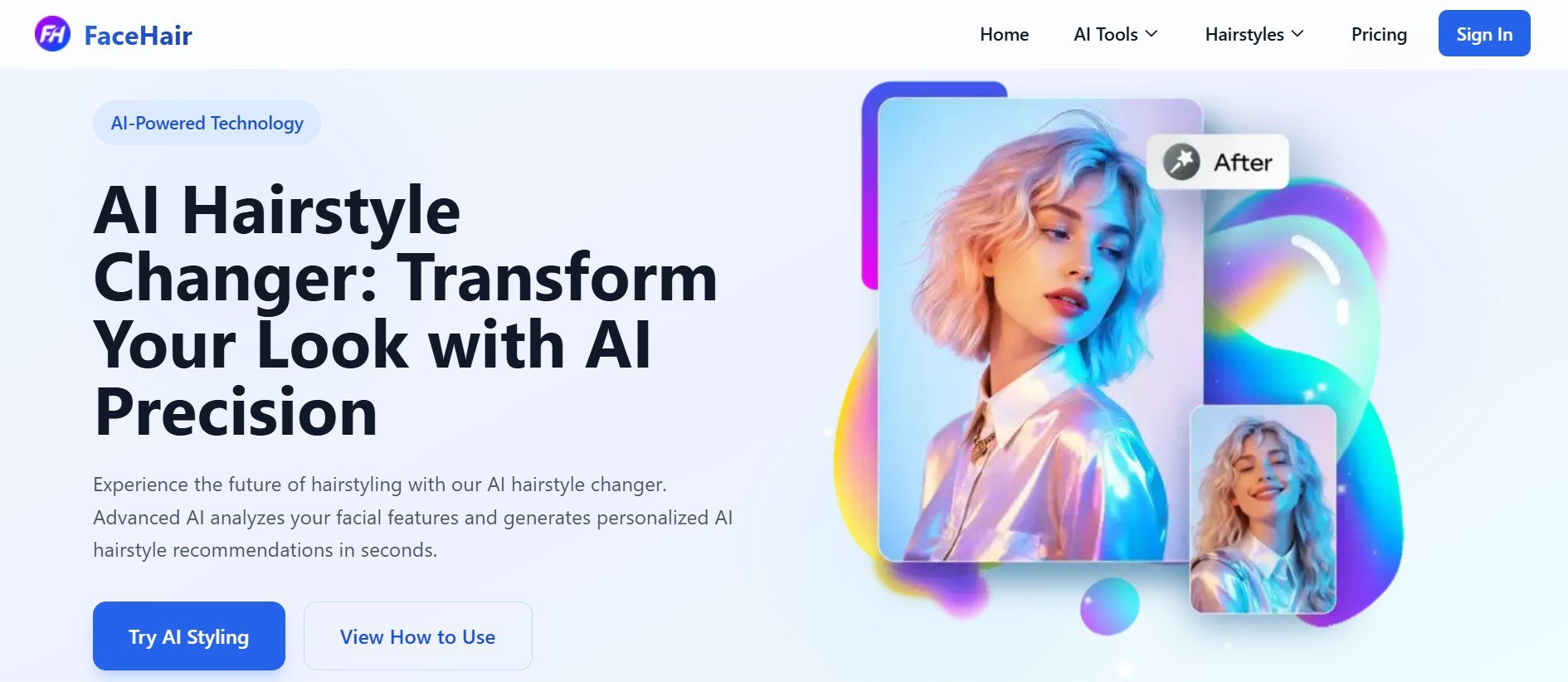
Facehair.ai helps users approach hairstyle exploration with more clarity. Instead of comparing endless images with no real framework, they can begin to understand which haircut directions may align better with their facial proportions and personal preferences.
For many readers, that makes the experience feel less like random beauty scrolling and more like a practical step toward a better decision. A useful flattering hairstyle guide can narrow choices, reduce confusion, and make the final haircut feel more like a confident choice than a hopeful guess.
That is the real advantage of beauty-tech. It does not remove creativity. It makes creativity easier to use well.
Why This Matters for Confidence and Self-Presentation
The reason this topic matters goes beyond hairstyle trends.
People use appearance to communicate something about themselves every day. A haircut can suggest sharpness, softness, confidence, effortlessness, creativity, or discipline. That is why the right hairstyle often feels less like decoration and more like alignment.
When people find styles that suit their face shape, they often do not just look better. They feel more settled in their appearance. They stop trying to force a look that belongs to someone else and start choosing one that feels believable on them.
That shift is often where real confidence comes from.
Not from changing more, but from choosing better.
A Better Way to Choose the Next Hairstyle
Instead of asking only what is trending, it helps to ask more useful questions:
- What kind of impression do you want the hairstyle to create?
- Do you want more softness, more structure, or less maintenance?
- Does the style work with your natural texture?
- Will it still feel right outside a styled photo?
- Does it look like you, or only like a trend you admire?
Those questions can prevent many of the frustrations that come after a haircut.
A style usually feels strongest when it reflects both identity and practicality.
Final Thoughts
The best hairstyle is rarely the one that attracts the most attention in a picture.
It is the one that still feels right once the appointment is over, the day becomes busy, and real life begins again. A flattering hairstyle should support the face, work with the hair, and fit naturally into the way a person wants to present themselves.
That is why face shape hairstyle ideas matter more than ever.
Not because beauty should be reduced to a strict formula, but because people increasingly want decisions that feel more personal, more intentional, and more aligned with who they are. When hairstyle choices are guided by that mindset, the result is not just a better look.
It is a stronger sense of self-presentation.