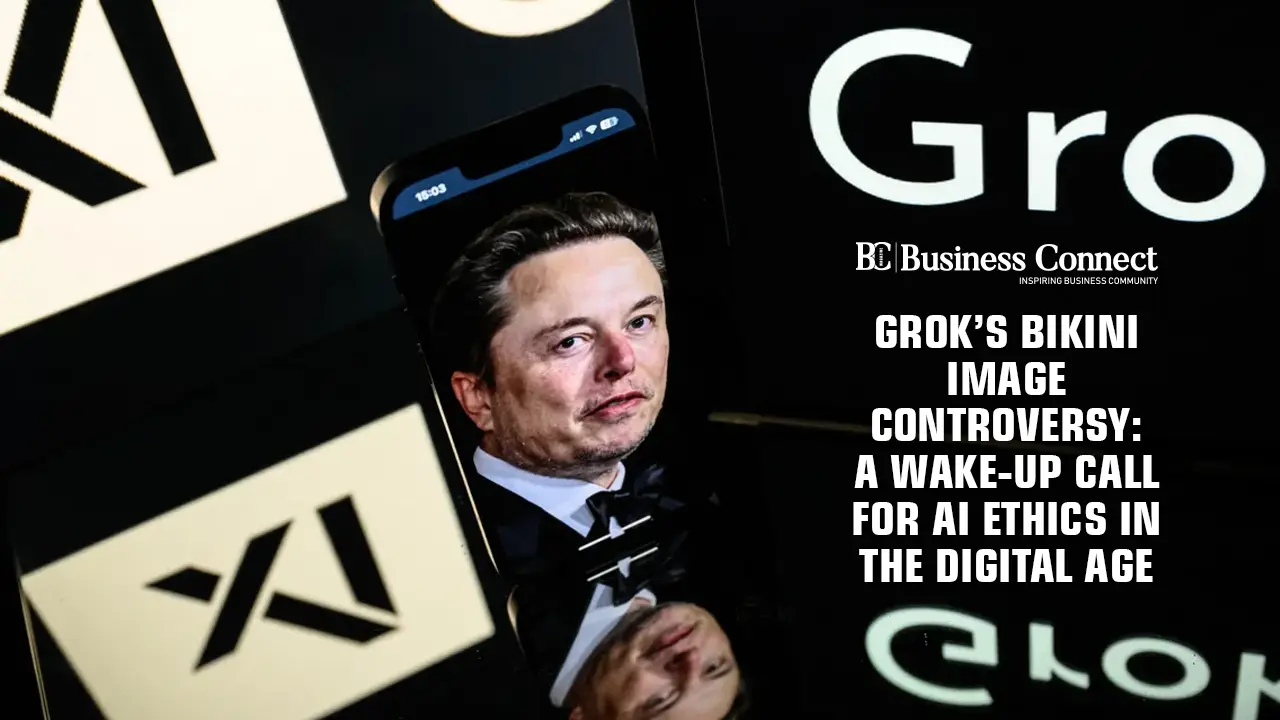
The finest models, such as Grok, Google Gemini, and ChatGPT, demonstrated their capacity to generate content and set trends in 2025, making it the year of generative AI. And just when we believed 2026 would begin similarly, discussions about the future of generative AI and how these models are constantly on the verge of veering off course have been triggered by the most recent scandal over the Grok bikini picture trend. In light of that, here are my thoughts on the entire situation. Let’s first comprehend what really transpired, though.
What Was Wrong With The Grok Bikini Image Trend?
It all began when a few users began creating and sharing pictures of people in bikinis on the site. Now, the majority of these pictures, which include either a man or a woman, were produced without permission. Additionally, the scenario split X into two parts. The first half of respondents believed it was just a lighthearted joke that might be utilized for amusement.
The other half, however, believed that the feature would be greatly abused and violate privacy. Elon Musk, the CEO of X, confirmed that the feature was enjoyable and lighthearted, which served as gasoline in the fire. As a result, Musk was under pressure from various countries to establish more safeguards because many people were unhappy with the idea of having their pictures used to make fun of them in a bikini.
Additionally, Grok has previously produced pornographic content and even has adult AI models to target a different demographic, so this is not the first time this has happened. It’s not even an issue. The main issue here is the hazy boundary between enjoyment and invasion of privacy.
Why This Incident Is A Stain On AI Guardrails And Ethics?
For many reasons, AI models’ ability to generate images has been criticized since the start. And Grok’s incident will only make things more difficult for all the models, including Grok, who genuinely operate in a productive way and thrive on creating visual content. You see, it’s really straightforward: the more difficult the barriers, the less creative and productive these AI models can be. The governments are not to blame for that; rather, it is the direct result of these bots and their creators’ inability to distinguish between what is proper and what is hilarious.
Legal Trouble Incoming And What About User’s Trust?
These kinds of situations lead to a lot of legal issues, which these models have already encountered. Not only do the models destroy the barriers in content creation, but they also destroy them in simple, generic talks with youngsters.
In addition, these kinds of situations make users wonder how much they can rely on AI models and whether they should continue to utilize them. Eventually, everyone—users and advertising partners alike—will undoubtedly want to distance themselves from such an AI model.
And what about the future?
The debate surrounding the Grok Bikini Image serves as a powerful warning to the AI sector about its future goals. You see, when it comes to AI models, control and creativity are constantly at odds. Control will take the lead in the near future due to these kinds of accidents, which will have an impact on both businesses and end consumers. Rather than creating documents that can only offer an exemption in court cases, the only way to address this is to put in place guardrails that truly function.