A haircut is often treated as a simple beauty choice, but in reality, it is also a decision about confidence, time, and personal presentation.
Many people know the feeling. A hairstyle looks perfect in a saved reference photo, but the final result feels disappointing in real life. The problem is not always the stylist, and it is not always the haircut itself. More often, it is a mismatch between the shape of the cut and the person wearing it.
That is why choosing a haircut for face shape has become a far more practical conversation than it used to be.
Today’s consumers do not just want a hairstyle that looks fashionable for a few days. They want something that feels flattering, manageable, and realistic for everyday life. In a world where appearance still influences confidence, self-image, and even professional presence, the best haircut is rarely the most dramatic one. It is the one that works.
Why So Many Haircut Decisions Go Wrong
Most haircut mistakes begin with the same habit: choosing a style because it looks great on someone else.
This is understandable. People save celebrity looks, salon photos, and social media references because those images create instant excitement. But inspiration is not the same thing as suitability.
A haircut that works beautifully on one person may not deliver the same effect on another. The reason is usually not a lack of skill. It is often a lack of alignment between the haircut and the facial structure.
That is where the idea of a haircut for face shape becomes useful.
When the structure of the haircut supports the proportions of the face, the whole look tends to feel more balanced. Features appear more defined. The style sits better. The overall result often feels more polished without demanding excessive styling.
Face Shape Is About Balance, Not Rules
One reason face-shape advice sometimes gets rejected is that it sounds too rigid.
But the better way to think about it is not as a rulebook. It is a guide to visual balance.
Different faces benefit from different kinds of support. Some need more softness around the jawline. Others look better with more length, more structure, or a little extra width in the right areas. The goal is not to force everyone into fixed categories. The goal is to make more intelligent shape decisions.
In practical terms:
- rounder faces often benefit from added definition
- stronger jawlines usually work well with softer movement
- longer faces tend to need balance rather than extra downward length
- delicate features can be overwhelmed by cuts that feel too heavy
That is why the same haircut can feel transformative on one person and underwhelming on another.
The difference is often not trend. It is proportion.
Why Texture and Lifestyle Matter Just As Much
Face shape is important, but it is only one part of the decision.
Hair texture changes how a haircut behaves. Fine hair, thick hair, straight hair, wavy hair, curly hair, and coily hair all respond differently to the same cut. A style that looks effortless in one photo may look flat, bulky, or high-maintenance in real life, depending on the person’s natural texture.
Lifestyle matters too.
A haircut may look excellent on the day it is styled, but that is not the real test. The real test is how it behaves on an ordinary workday, during a rushed morning, in heat or humidity, or after a long day outside.
That is why a smarter haircut decision usually answers four simple questions:
- Does it suit your face?
- Does it work with your natural texture?
- Can you maintain it realistically?
- Will it still feel right outside a styled photo?
The best haircut decisions are usually the ones that succeed on all four.
Why Consumers Are Becoming More Deliberate
The beauty industry has changed in one important way: people are less willing to rely on guesswork.
Consumers increasingly want more clarity before making visible personal changes. This shift is already common in fashion, makeup, eyewear, and home décor, where people now expect some way to preview options before committing.
Hair is part of the same shift.
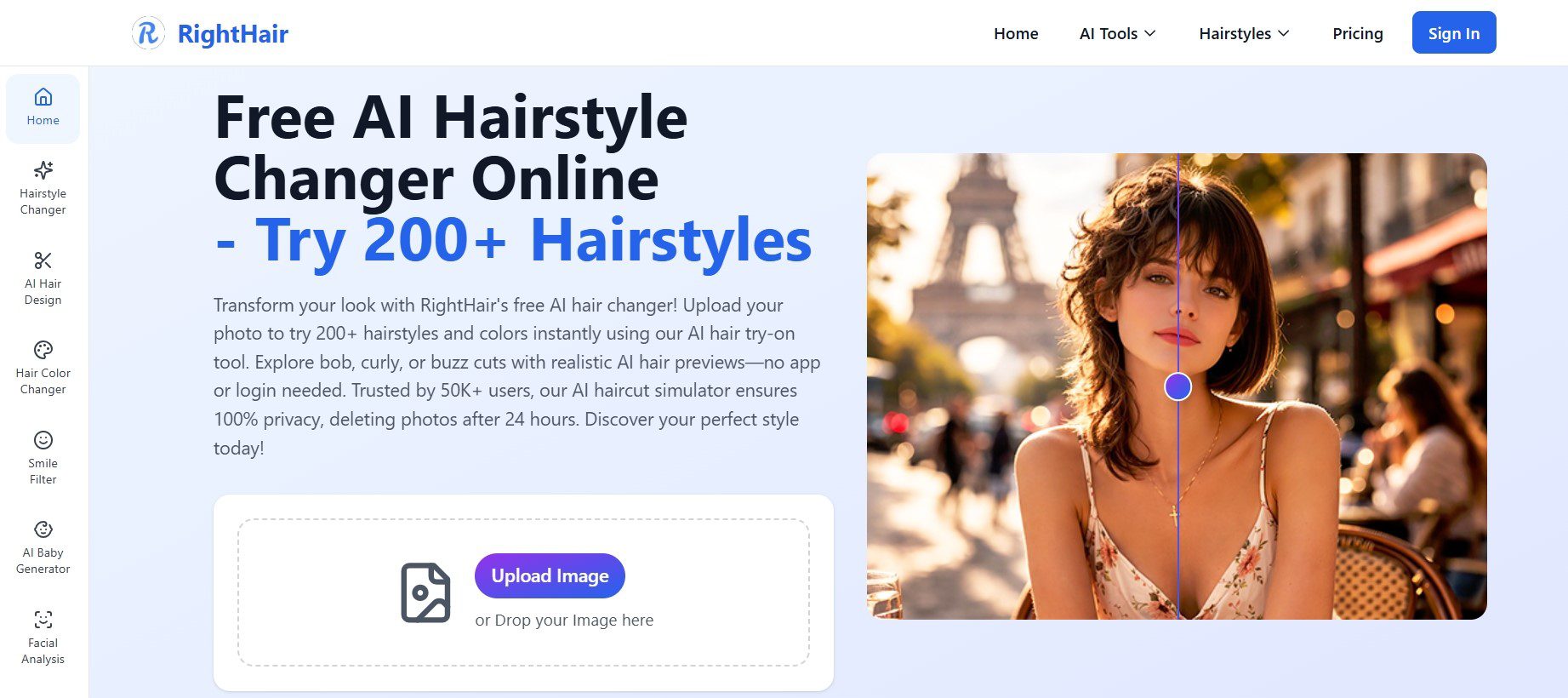
Instead of depending only on imagination, users can now preview hairstyle changes online and explore possibilities more confidently before stepping into a salon.
This does not remove the role of personal style or professional advice. What it does is improve decision quality. It helps people narrow down options, arrive with clearer references, and reduce the gap between what they like in theory and what may actually work in practice.
The Role of Digital Beauty Tools
This is where beauty and technology increasingly overlap.
Modern users do not only want endless inspiration. They want relevance, filtering, and a way to make faster, better choices. In that environment, digital analysis tools are becoming useful because they turn broad hairstyle browsing into a more focused decision process.
Righthair.ai fits into that shift by helping users explore hairstyle directions more deliberately instead of comparing disconnected photos without context. That makes it easier to understand which haircut directions may align with facial proportions, personal preferences, and day-to-day expectations.
For readers who feel overwhelmed by too many saved references, a practical face shape hairstyle guide can make the process feel far more manageable.
That matters because confidence usually comes from clarity, not from taking a bigger risk.
A Better Way To Approach Your Next Haircut
Instead of chasing every new trend, it helps to slow the process down and ask better questions before making a change.
A more practical approach looks like this:
- decide what you want the haircut to do for your face
- think honestly about your styling habits
- consider how your natural texture behaves
- choose a shape that works in daily life, not only in photos
These steps are simple, but they prevent many of the disappointments people experience after a salon visit.
A haircut tends to feel most successful when it matches both appearance goals and lifestyle reality.
Why This Matters More Today
A hairstyle has always influenced how people feel about themselves.
But today, personal presentation carries even more weight. It affects confidence, social visibility, first impressions, and how people express identity in both physical and digital spaces. As a result, beauty decisions are becoming more intentional.
That is why choosing a haircut for face shape is no longer just a salon tip.
It reflects a broader shift in consumer behaviour. People are asking smarter questions. They do not only want to know what is trending. They want to know what will actually work for them.
That is a more valuable question, and usually a more successful one.
Final Thoughts
The best haircut is rarely the one that feels most dramatic in the moment.
It is usually the one that still feels right after the salon visit is over, when the styling settles, the routine returns, and everyday life begins again. A flattering haircut should support your features, suit your texture, and make sense within your schedule.
That is why face shape still matters.
Not because beauty should be reduced to formulas, but because understanding proportion helps people make better decisions with less guesswork. And when digital tools make that process more practical, the result is not just a better haircut. It is a more confident choice.