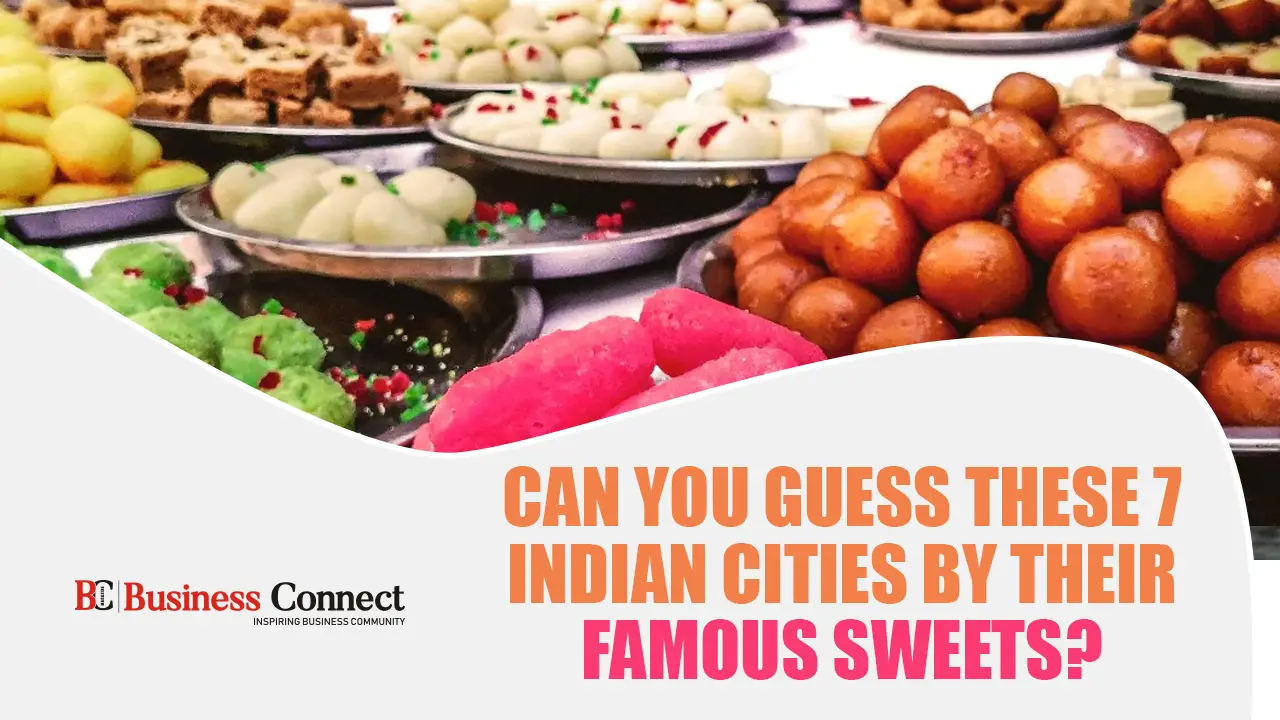
Travel memories in India are frequently influenced by both sightseeing and taste. The flavor of a local treat, purchased from a busy market, sampled fresh at a temple town, or thoughtfully packed for the trip home, is what travelers remember long after the pictures fade. Many cities across the nation are inextricably linked to the desserts for which they are renowned. These candies are more than just common treats; they have a strong connection to daily life, religious rituals, and local history. These seven Indian cities provide experiences that go well beyond landmarks and scenery for those who prefer to discover places via cuisine.
From Streets to Temples: 7 Indian Cities Famous for Their Sweet Treats
1. Rasgulla and Sandesh in Kolkata, West Bengal

Rasgulla and sandesh are two sweet dishes that are essential to Kolkata’s culinary identity. Visiting a typical candy store in the city is almost a cultural activity for tourists. While sandesh is delicate, somewhat sweet, and frequently formed into beautiful shapes, rasgullas are soft, spongy, and drenched in light sugar syrup. Fresh produce in the city has a flavor and texture that is rarely found elsewhere, making Kolkata a popular trip for those with a sweet appetite. Don’t miss the sweets when in Kolkata.
2. Peda, Mathura, Uttar Pradesh

The spiritual environment of Mathura is intimately linked to the city’s peda. Purchasing pedas is frequently seen by pilgrims visiting temples as a crucial aspect of their trip. The experience is more than just flavor for travelers. Mathura peda is made by gently boiling sugar and khoya. It has a rich flavor and a gritty texture. Throughout the day, freshly made pedas are sold at sweet shops close to temples and ghats.
3. Petha, Agra, Uttar Pradesh

Agra is well-known throughout the world for the Taj Mahal, but for foodies, the city’s culinary scene wouldn’t be complete without petha. Ash gourd is used to make this translucent treat, which is available plain, saffron-flavored, and rose-flavored. After finishing their touring, travelers typically buy petha, a popular dessert, as a memento. Due to its durability and historical significance to Agra, this dish is a favorite. This dessert is associated with a city renowned for its architectural design.
4. Halwa, Tirunelveli, Tamil Nadu

Halwa has been a major factor in Tirunelveli’s fame throughout southern India. In order to purchase the renowned Tirunelveli halwa, tourists traveling through Tamil Nadu frequently schedule a stop here. The halwa, which is made from wheat milk, ghee, and water from the Thamirabarani River, has a rich flavor and glossy texture. Particularly during festivals, stores selling this confection frequently draw huge lines.
5. Dharwad Peda, Representational Image, Dharwad, Karnataka

During road trips around Karnataka, many travelers come across the city of Dharwad, and it is crucial to make a stop there. because of its peda. Dharwad peda is becoming a must-have stopover snack. Unlike pedas from other regions of India, Dharwad peda has a crumbly texture and a unique caramelized flavor. Additionally, a Geographical Indication logo on the dessert emphasizes how exclusive it is to a specific area.
6. Mysore Pak, Mysuru, Karnataka

The Mysore Pak is one of the outstanding examples of the cuisine that reflects Mysuru’s regal heritage. The delicious recipe made of gram flour, sugar, and ghee originated in the palace’s kitchens and has since spread throughout the nation. However, it is undeniable that Mysuru itself is the greatest place to sample Mysore Pak.
7. Ghewar, Beawar, Rajasthan

When it comes to festival sweets, Rajasthan is well-known, and Beawar is particularly well-known because of its ghewar. The honeycomb pattern gives this confection a hexagonal structure, and the sugar syrup it was steeped in imparts sweetness. Ghewar has grown in popularity during Teej and Raksha Bandhan celebrations, and visitors to Rajasthan during this time of year like Beawar ghewar because to its quality and artistry.
FAQs: Indian Cities Famous for Their Sweets
1. Why are Indian cities often associated with specific sweets?
Many Indian sweets originated locally due to regional ingredients, traditions, and cultural practices. Over time, these desserts became symbolic of the cities they were created in.
2. Why do travelers remember sweets more than sightseeing sometimes?
Taste creates a strong emotional memory. Local sweets sampled during travel often leave a lasting impression long after the trip ends.
3. Which Indian city is most famous for rasgulla and sandesh?
Kolkata, West Bengal, is globally known for its rasgulla and sandesh, which are central to Bengali cuisine and culture.
4. What makes Kolkata’s rasgulla different from others?
Kolkata rasgullas are exceptionally soft, spongy, and lightly sweetened, often made fresh daily using traditional techniques.
5. Why is Mathura peda considered special?
Mathura peda is closely linked to religious traditions and temple offerings, especially connected to Lord Krishna.
6. What ingredients are used in Mathura peda?
It is made using khoya and sugar, slow-cooked to achieve a grainy texture and rich flavor.
7. Apart from the Taj Mahal, what sweet is Agra famous for?
Agra is famous for petha, a translucent sweet made from ash gourd.
8. Why is petha a popular souvenir from Agra?
Petha has a long shelf life, comes in multiple flavors, and is deeply tied to Agra’s culinary history.
9. Which city in Tamil Nadu is famous for halwa?
Tirunelveli is renowned for its signature halwa across South India.
10. What makes Tirunelveli halwa unique?
Its preparation uses wheat milk, ghee, and water from the Thamirabarani River, giving it a glossy texture and rich taste.
11. Why is Dharwad peda different from other pedas?
Dharwad peda has a crumbly texture and caramelized flavor, unlike the smoother pedas found elsewhere.
12. Does Dharwad peda have any special recognition?
Yes, it carries a Geographical Indication (GI) tag, confirming its regional authenticity.
13. Where did Mysore Pak originate?
Mysore Pak originated in the royal kitchens of the Mysuru Palace during the reign of the Wodeyar dynasty.
14. What ingredients are used in Mysore Pak?
It is made from gram flour, sugar, and generous amounts of ghee.
15. Which city in Rajasthan is famous for ghewar?
Beawar in Rajasthan is especially known for high-quality ghewar.
16. During which festivals is ghewar most popular?
Ghewar is traditionally consumed during Teej and Raksha Bandhan.
17. Why do Indian sweets hold cultural and religious importance?
Many sweets are used in temple offerings, festivals, and rituals, making them part of everyday religious life.
18. Are these sweets best enjoyed in their native cities?
Yes, local preparation methods, fresh ingredients, and traditional skills make the original versions superior in taste.
19. Can food tourism enhance travel experiences in India?
Absolutely. Exploring local sweets allows travelers to connect deeply with a city’s culture, history, and people.
20. Which Indian city should dessert lovers visit first?
Kolkata or Mysuru are ideal starting points due to their rich dessert heritage and variety.
21. How old are some of these famous Indian sweets?
Many of these sweets are centuries old, with recipes passed down through generations of local halwais and temple kitchens.
22. Are Indian sweets linked to local geography?
Yes. Ingredients like river water, local milk quality, climate, and crops often influence taste and texture.
23. Why do pilgrims often buy sweets during temple visits?
Sweets are commonly offered as prasad and taken home as blessings for family members.
24. Which sweet is most commonly gifted during Indian festivals?
Sweets like peda, ghewar, and Mysore Pak are widely exchanged during festivals and family celebrations.
25. Is Tirunelveli halwa available outside Tamil Nadu?
While it is sold elsewhere, authentic taste is best experienced in Tirunelveli due to traditional preparation methods.
26. Why does Dharwad peda have a GI tag?
The GI tag protects its unique recipe, texture, and regional identity from imitation.
27. What makes Beawar ghewar stand out from other ghewar varieties?
Beawar ghewar is known for its crisp honeycomb texture, balanced sweetness, and expert craftsmanship.
28. Are these sweets vegetarian?
Yes, all the sweets mentioned are vegetarian, though they often contain dairy products like milk, ghee, and khoya.
29. Which sweet has the longest shelf life?
Petha from Agra generally has a longer shelf life compared to milk-based sweets.
30. Are these sweets suitable for travel gifting?
Yes. Sweets like petha, Dharwad peda, and ghewar are commonly packed for travel and gifting.
31. Which Indian sweet is most popular among international tourists?
Rasgulla and Mysore Pak are especially popular with international visitors.
32. Can these sweets be ordered online today?
Many reputed sweet shops now offer online delivery, though freshness may vary.
33. Which sweet is most associated with royalty?
Mysore Pak has royal origins, having been created in the Mysuru Palace kitchen.
34. Are traditional sweet shops still preferred over modern chains?
Yes. Local sweet shops are trusted for authenticity, freshness, and traditional recipes.
35. Why do Indian sweets use so much ghee?
Ghee enhances flavor, texture, aroma, and shelf life while being culturally valued.
36. Which city is best for a sweet-focused food tour?
Kolkata is ideal due to its wide variety of iconic sweets and dense sweet-shop culture.
37. Do these sweets change taste seasonally?
Yes. Milk quality and weather conditions can slightly affect texture and richness.
38. Are Indian sweets linked to regional festivals?
Absolutely. Ghewar with Teej, peda with Janmashtami, and halwa with temple festivals are classic examples.
39. Why are sweets deeply emotional in Indian culture?
They symbolize celebration, gratitude, hospitality, and togetherness.
40. Can exploring sweets help understand local culture better?
Yes. Food reflects traditions, history, religious practices, and social life of a place.