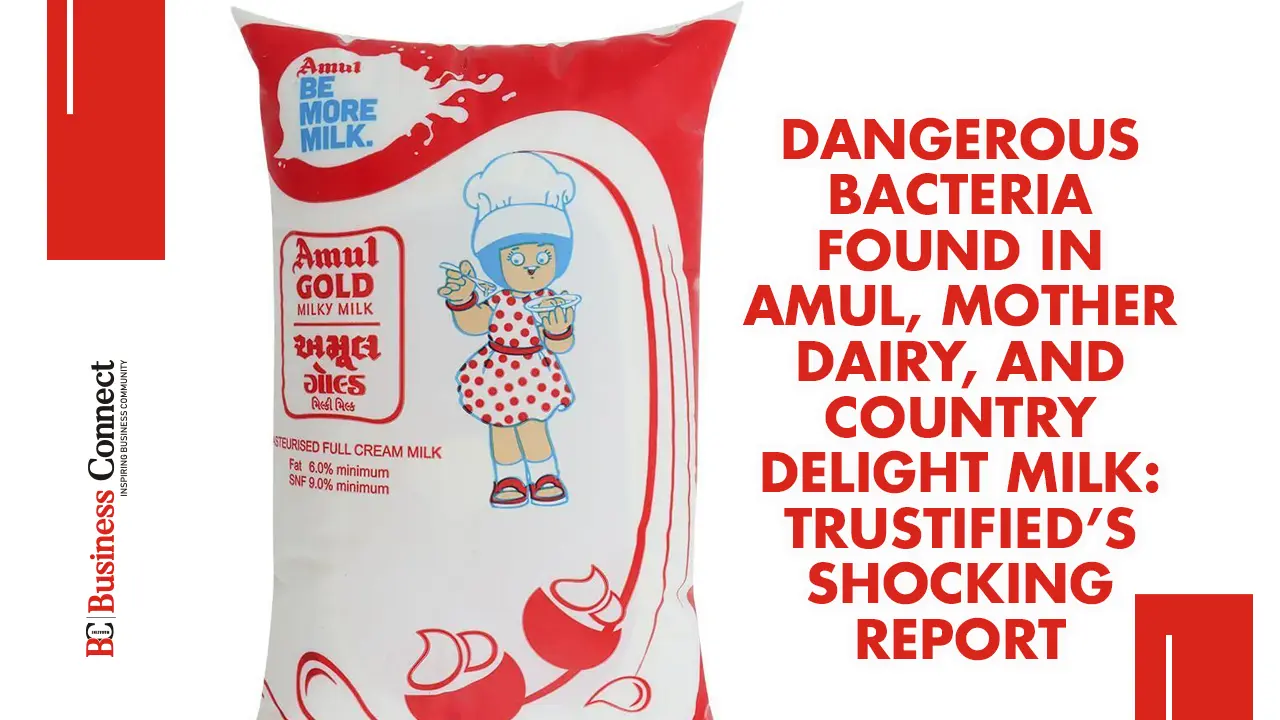
Trustified vs Amul: Understanding the Risks of Excess Coliform, Yeast and Mold in Curd
Is Amul curd really safe and healthy?
This question is being raised after Amul Masti dahi reportedly failed a quality test. It’s important to clarify that we are talking about the pouch (packet) curd, not the cup variant.
A YouTube channel named Trustified uploaded a video on January 4, 2026, claiming that it had conducted a laboratory test on Amul Masti dahi. According to the video, both the pouch and cup versions of the curd were sent for testing.
So, what did the lab report actually reveal? Here’s a breakdown of the findings and what they could mean for consumers.
Let’s first talk about the 390-gram pouch version of Amul Masti dahi.
According to Amul’s label claims, the curd contains 4 grams of protein per 100 grams. However, the lab test reportedly found 4.95 grams of protein, which is actually higher than claimed — and a positive sign.
For carbohydrates, the company claims 4.6 grams per 100 grams, while the lab found 5.62 grams.
As for fat content, the label states 3.1 grams per 100 grams, but the test showed 3.53 grams. Similarly, saturated fat was also found to be slightly higher than the declared value.
Overall, the differences in protein, carbs, fat, and saturated fat were not very significant.
However, the major concern raised in the report was about microbiological safety.
According to the video, two components were found in levels far exceeding the FSSAI (Food Safety and Standards Authority of India) safety limits:
1. Coliform Bacteria
FSSAI states that coliform bacteria in such products should not exceed 10 colony-forming units (CFU) per gram.
But the lab test reportedly found 21,000 CFU per gram — which is said to be 2,100 times higher than the permissible limit.
2. Yeast and Mold
Yeast and mold are types of fungi.
The FSSAI safety limit for yeast and mold is 50 CFU per gram.
However, the pouch variant reportedly showed 3,000 CFU per gram — about 60 times higher than the prescribed limit.
What About the Cup Version?
In contrast, the cup variant of Amul dahi reportedly performed much better. While protein, carbohydrates, and fat levels were slightly higher than claimed, all microbiological parameters were said to be within safe limits. According to the report, the cup version passed the lab test.
According to the report, the pouch variant failed the test, and once Trustified’s video went public, it created a major stir.
Amul responded the very next day, on January 5, issuing a clarification. The company stated that curd is a live product containing beneficial bacteria and must be handled strictly according to the storage instructions mentioned on the packaging. Amul also said it was unaware of how the sample was collected or how it was handled before testing.
The company maintained that Amul Masti dahi complies with all FSSAI regulations and internal quality standards. It further stated that the product is manufactured in ISO-certified dairy plants and undergoes more than 50 rigorous quality checks, including multiple hygiene-related tests, before reaching consumers.
Amul emphasized that both the pouch and cup variants follow the same processing and hygiene protocols. The only difference, according to the company, is the packaging format, which is designed for consumer convenience. The cup is more expensive due to higher packaging material costs — not because of any difference in product quality.
The company also alleged that the video was unnecessarily spreading fear and anxiety among consumers, and reassured customers that Amul Masti dahi is safe for consumption.
But Here’s the Bigger Question
Curd naturally contains bacteria — in fact, that’s what makes it curd. So why is a higher level of coliform bacteria, yeast, and mold considered serious? Can it actually harm health?
Let’s understand this clearly:
Not All Bacteria Are the Same
Curd contains beneficial bacteria like Lactobacillus, which help in digestion and gut health. These are intentional and safe.
However, coliform bacteria are not beneficial bacteria. Their presence usually indicates:
Poor hygiene during processing
Contamination from water or equipment
Improper storage or temperature control
Some coliform strains can be harmless, but others may include harmful bacteria like E. coli, which can cause:
Stomach cramps
Diarrhea
Vomiting
Food poisoning
What About Yeast and Mold?
Yeast and mold are fungi. In small controlled amounts, some fermented foods may naturally contain yeast. But excess levels usually indicate spoilage or contamination.
High yeast and mold levels can lead to:
Sour or unpleasant taste
Bloating and digestive discomfort
Risk of toxin production (in rare cases, certain molds produce mycotoxins)
For children, elderly individuals, pregnant women, or people with weak immunity, contaminated dairy products can pose higher risks.
Why Limits Exist
Regulatory bodies like FSSAI set microbial limits not because bacteria in curd are bad — but because:
Certain bacteria signal contamination
High microbial load reduces shelf life
It increases the risk of foodborne illness
Even though curd is a fermented product, uncontrolled or excessive microbial growth is not considered safe.
Final Thought
At this stage, there are two sides to the story — the independent test report and the company’s official clarification.
For consumers, the key is:
Always store curd at recommended temperatures
Check packaging dates
Avoid consuming products with unusual smell, taste, or texture
Follow updates from official regulatory authorities
Awareness is important — but so is balanced judgment based on verified information.
FAQ
1. What did Trustified claim about Amul, Mother Dairy, and Country Delight milk?
Trustified alleged that microbiological tests showed high levels of coliform bacteria in Amul Taaza and Amul Gold, and high Total Plate Count (TPC) in Mother Dairy and Country Delight milk. However, Amul’s Tetra Pack milk was claimed to have met safety standards.
2. What is coliform bacteria and why is it a concern in milk?
Coliform bacteria are indicator organisms found in soil, water, and animal waste. Their presence in milk may signal poor hygiene, contamination during processing, or improper storage conditions.
3. What are the FSSAI limits for coliform bacteria in milk?
According to FSSAI guidelines, coliform bacteria in milk should not exceed 10 CFU (colony-forming units) per milliliter.
4. What is Total Plate Count (TPC) in milk?
Total Plate Count (TPC) measures the total number of bacteria present in milk. A high TPC may indicate poor hygiene, improper refrigeration, or milk nearing spoilage.
5. Can high coliform bacteria in milk cause health problems?
Yes, elevated coliform levels may increase the risk of foodborne illnesses such as diarrhea, vomiting, stomach cramps, and gastrointestinal infections—especially in children, elderly individuals, and people with weak immunity.
6. Did Amul respond to the allegations made in the Trustified video?
Yes, Amul issued a clarification stating that its products comply with FSSAI standards and internal quality checks. The company also questioned the sample handling and testing process.
7. What were the claims about Amul Masti dahi (curd)?
The video claimed that the pouch variant of Amul Masti dahi showed high levels of coliform bacteria, yeast, and mold beyond FSSAI limits, while the cup variant reportedly met safety standards.
8. Why are yeast and mold levels important in curd?
Yeast and mold are fungi. While curd naturally contains beneficial bacteria, excessive yeast and mold may indicate spoilage or contamination and could pose health risks in some cases.
9. Is all bacteria in curd harmful?
No. Curd contains beneficial bacteria like Lactobacillus, which support digestion and gut health. However, coliform bacteria are not beneficial and may indicate contamination.
10. What precautions should consumers take regarding milk and curd safety?
Consumers should store dairy products at 4°C or below, check expiry dates, avoid products with unusual smell or texture, and follow updates from official regulatory authorities before drawing conclusions.