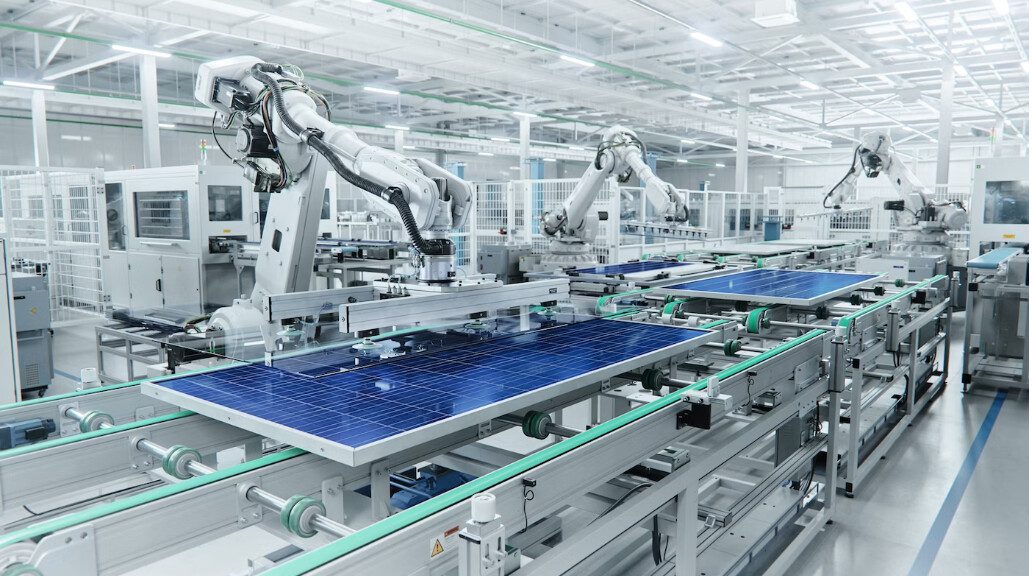
Sustainable energy has become the foundation of India’s economic and environmental progress. As the nation works toward a target of 500 GW of non-fossil-fuel capacity by 2030, the role of domestic manufacturing has become increasingly significant. This shift is not just about installing panels but about creating a robust, integrated supply chain that ensures energy security and reliability. By focusing on high-efficiency technologies and local production, the country is reducing its dependence on imports while building a specialized workforce. This transition represents a major step toward a cleaner, self-reliant future powered by the sun.
India’s Journey Towards Renewable Energy Goals
India has emerged as a global leader in the renewable energy sector, recently achieving a milestone of over 132.85 GW of installed solar capacity as of November 2025. This growth is supported by a massive expansion in domestic manufacturing capabilities. The Union Minister for New and Renewable Energy recently announced that India’s solar module manufacturing capacity more than doubled in a single year, reaching 144 GW in 2025.
This industrial surge is concentrated in high-growth states such as Rajasthan, Gujarat, Maharashtra, and Karnataka, which host some of the largest solar parks in the country. To ensure the quality and reliability of these installations, the government maintains the Approved List of Models and Manufacturers (ALMM), which mandates the use of certified equipment in government-backed projects. This framework has encouraged companies like Avaada to develop large-scale ecosystems. For instance, Avaada operates an 8.5 GW module-manufacturing ecosystem, contributing significantly to national capacity.
Integrated Manufacturing: From Silicon to Solar Modules
The process of creating a solar power plant begins long before the first panel is installed on a field. It starts with a highly technical, multi-stage manufacturing sequence that transforms raw materials into sophisticated energy-harvesting tools.
1. Silicon Purification and Ingot Formation
The journey starts with high-purity silicon. This silicon is melted in high-temperature furnaces to form solid blocks known as ingots. In a monocrystalline process, these ingots are grown as single large crystals, which provide a uniform path for electrons to move, resulting in higher efficiency than older, multi-crystalline methods.
2. Wafer Slicing
Once the ingots are ready, they are sliced into ultra-thin sheets called wafers using diamond wire saws. These wafers are typically 160-180 µm thick. The precision of this stage is vital; even a microscopic crack can reduce the final panel’s performance.
3. Solar Cell Production
The wafers undergo chemical treatment and “doping” to create a positive-negative (P-N) junction. This junction enables the cell to generate an electric current upon exposure to sunlight. In modern manufacturing, the focus has shifted toward N-Type TOPCon (Tunnel Oxide Passivated Contact) technology. These cells offer higher efficiency, often exceeding 25% in commercial production, compared to traditional P-type cells.
4. Module Assembly and Lamination
Individual cells are interconnected and sandwiched between protective layers. A typical high-performance module uses tempered glass on the front and a durable backsheet (or another glass layer for bifacial modules). These layers are bonded by lamination to protect the cells from moisture and dust for 25-30 years.
Advanced Technologies in Solar Panels
The efficiency of a solar power plant is largely determined by the technology of the modules used. Today, a leading PV panel manufacturer focuses on high-wattage outputs to maximize the energy generated per square meter of land.
N-Type TOPCon Technology
N-type silicon is inherently more resistant to light-induced degradation (LID), meaning the panels lose less power over time than older designs. TOPCon technology adds an ultrathin tunnel oxide layer, further reducing energy loss within the cell. Commercial modules using this technology now commonly reach 610Wp to 720Wp, making them ideal for large-scale utility projects.
Bifacial Solar Modules
Unlike traditional panels that only capture light from the front, bifacial modules can also harvest reflected light from the ground on their rear side. This can increase the total energy yield by 5%-30%, depending on the surface on which they are installed, such as white gravel or light-coloured soil.
Integrated Supply Chains
A major trend in India is the move toward fully integrated manufacturing. Instead of importing parts, manufacturers are establishing facilities that handle everything from ingots and wafers to cells, modules, and even glass and frames at a single location. This integration ensures better quality control and a more stable supply chain for a solar panel manufacturer in India.
Operating a Solar Plant
Operating a utility-scale solar plant involves several engineering and logistical steps following the manufacturing phase of solar panels.
- Site Selection and Land Preparation: Developers select sites with high solar radiation, such as in Rajasthan or Gujarat. The land must be leveled, and soil tests are conducted to ensure the mounting structures can withstand wind and weather.
- Mounting and Tracking Systems: Panels are mounted on fixed tilted structures or solar trackers. Trackers follow the sun’s movement throughout the day, increasing energy generation by up to 15–20% compared to fixed systems.
- Inverters and Transformers: The Direct Current (DC) produced by the panels is converted into Alternating Current (AC) by inverters. Transformers then step up the voltage for efficient transmission into the state or national grid.
- Storage Solutions: To provide power even when the sun isn’t shining, many new plants are integrating Battery Energy Storage Systems (BESS) or Pumped Storage Projects (PSP). These “water batteries” or chemical batteries help stabilize the grid and provide firm, round-the-clock power.
Must Read:- N-Type vs. P-Type Solar Cells
Quality Standards and Global Compliance
For Indian-made solar products to be reliable, they must meet strict international and national standards. These include:
- BIS (Bureau of Indian Standards): Mandatory for products sold and used in India.
- IEC (International Electrotechnical Commission): Ensures the panels can survive extreme heat, cold, and mechanical loads.
- ALMM (Approved List of Models and Manufacturers): A critical registry by the Ministry of New and Renewable Energy (MNRE) that verifies the domestic manufacturing claims of companies.
As of early 2026, the government has mandated that projects commissioned after June 2026 must use solar cells from the ALMM list, further pushing the industry toward complete domestic integration.
Final Thoughts
The transition to solar energy in India is progressing rapidly, driven by technological innovation and a commitment to domestic production. By moving away from older technologies and focusing on high-efficiency N-Type TOPCon and bifacial modules, the country is establishing new performance benchmarks. The growth of integrated manufacturing ecosystems ensures that the transition is not only fast but also sustainable and high-quality. As more high-wattage modules are deployed across the country, the vision of a clean, energy-secure nation becomes a reality.