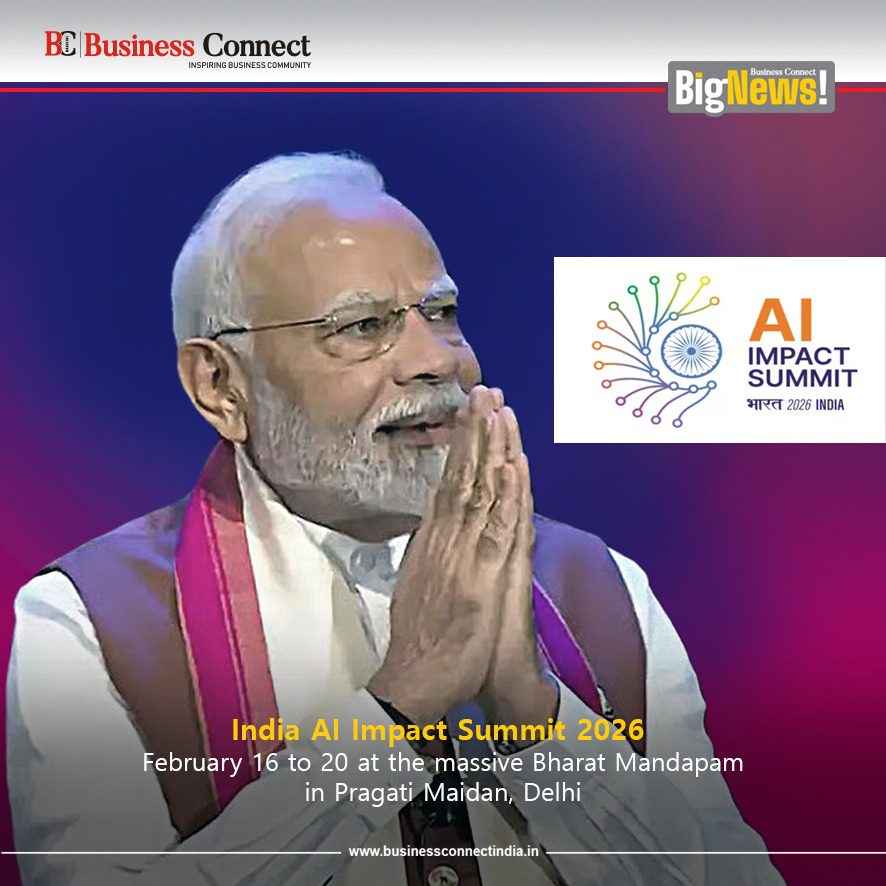
The India AI Impact Summit 2026 is in full swing right now in New Delhi, and as someone who’s right here in the city amid all the buzz (and the traffic chaos), it’s hard not to feel the energy. Running from February 16 to 20 at the massive Bharat Mandapam in Pragati Maidan, this five-day event—organized by the Government of India under the IndiaAI Mission—has already made headlines as the first major global AI summit hosted in the Global South.
It’s a big deal. Previous flagship AI gatherings like the UK’s AI Safety Summit, the Seoul one, and the recent France AI Action Summit were largely Western- or East Asia-led. India has flipped the script by putting developing nations front and center, inviting leaders from over 100 countries, with more than 20 heads of state and around 60 ministers expected. We’re talking French President Emmanuel Macron, Brazil’s Luiz Inácio Lula da Silva, and a long list of others joining the conversation.
The lineup of tech heavyweights is stacked: OpenAI’s Sam Altman, Google’s Sundar Pichai, Anthropic’s Dario Amodei, Nvidia’s Jensen Huang (though his exact presence is still being confirmed in some reports), Microsoft execs, Reliance’s Mukesh Ambani, and more. Over 500 global AI leaders, thousands of delegates, and an anticipated 250,000+ visitors overall—it’s one of the biggest AI events anywhere this year.
Core Theme: People, Planet, and Progress
The overarching focus is on making AI truly inclusive and sustainable. Organizers keep hammering home the three pillars: People (human-centric development), Planet (environmentally responsible tech), and Progress (equitable economic growth). Prime Minister Narendra Modi, who inaugurated the summit and delivered key remarks (including a joint session vibe with international leaders), stressed that AI must serve the public good above all. He talked about shifting “from dialogue to demonstrable impact,” pushing for responsible innovation that doesn’t widen global divides.
India’s own ambitions shine through too. With the IndiaAI Mission already committing massive funding (over ₹10,000 crore and counting), the country is ramping up domestic GPU clusters, building indigenous foundation models, and rolling out AI tools tailored to Indian languages and challenges. Announcements like TCS eyeing one of the world’s largest AI data centers and fresh VC fund allocations for AI startups show the momentum.
What’s Happening On the Ground
The India AI Impact Expo is the real crowd-puller—over 300 exhibitors from India and 30+ countries, spread across 10+ thematic pavilions. Visitors (including the public on certain days) can check out live demos in healthcare, agriculture, education, climate solutions, governance, and more. Side events are everywhere: research symposia (with partners like IIIT-Hyderabad), the YUVAi global youth challenge (ages 13–21 showcasing innovations), the AI by HER gender-focused contest, policy roundtables on AI safety, job creation, and equity.
Day 1 (February 16) kicked off with keynote addresses, policy panels, and the expo launch—but it wasn’t all smooth. Long queues, overcrowding, confusing signage, and limited seating drew plenty of complaints online and in the media. Delhi traffic added to the mess, and hotel rates have skyrocketed. Classic big-event growing pains in the capital.
Day 2 (today, February 17) has shifted toward applied AI, social equity, and launches like knowledge compendiums on AI’s role in health, energy, education, agriculture, gender, and accessibility. Cultural evenings (like the one by Sangeet Natak Akademi) are adding some flair too.
Why It Matters
The big question hanging over the summit: Will it deliver a concrete “shared roadmap” for global AI governance and collaboration? Or will it stay mostly talk? With adoption rates still below 10% in much of the Global South (versus over 50% in wealthier nations), the push for equitable access to compute, data, and benefits feels urgent.
India isn’t just hosting—it’s trying to lead. By amplifying voices from Africa, Asia, Latin America, and beyond, and tying AI tightly to real-world development goals, the country is positioning itself as a bridge in a divided world.
As the event unfolds over the next few days (with PM Modi’s major address still fresh in everyone’s mind), the world is paying close attention. For a nation bursting with talent, digital scale, and pressing challenges that AI could help tackle, this summit feels like a pivotal moment. Whether you’re queuing up at Bharat Mandapam or following from afar, one thing’s clear: India’s stepping up to help shape what comes next in AI.