Video Face Swap: The Ultimate Guide to AI-Powered Face Swapping Technology
Lately, machines that think have changed the way people make and work with online stuff. What stands out? Swapping faces in videos feels like magic now – growing fast, showing up everywhere. Think funny clips on apps where you see someone else’s face moving. Not just laughs, though – it helps sell things, even shapes movies. Whole new ways to build scenes pop up because of it.
This comprehensive guide explores what video face swap technology is, how it works, its practical applications, benefits, challenges, and future potential. Whether you are a casual user, a content creator, or a business exploring AI tools, this article will help you understand everything you need to know.
What Is Video Face Swap?
What happens is a machine learning system swaps faces in moving images, matching how someone really moves. Instead of just changing looks like old filters did, it studies every moment of footage closely. The result stays true to natural gestures, keeping smiles, blinks, and glances intact. Frame by frame, positioning adjusts so nothing feels off or stiff.
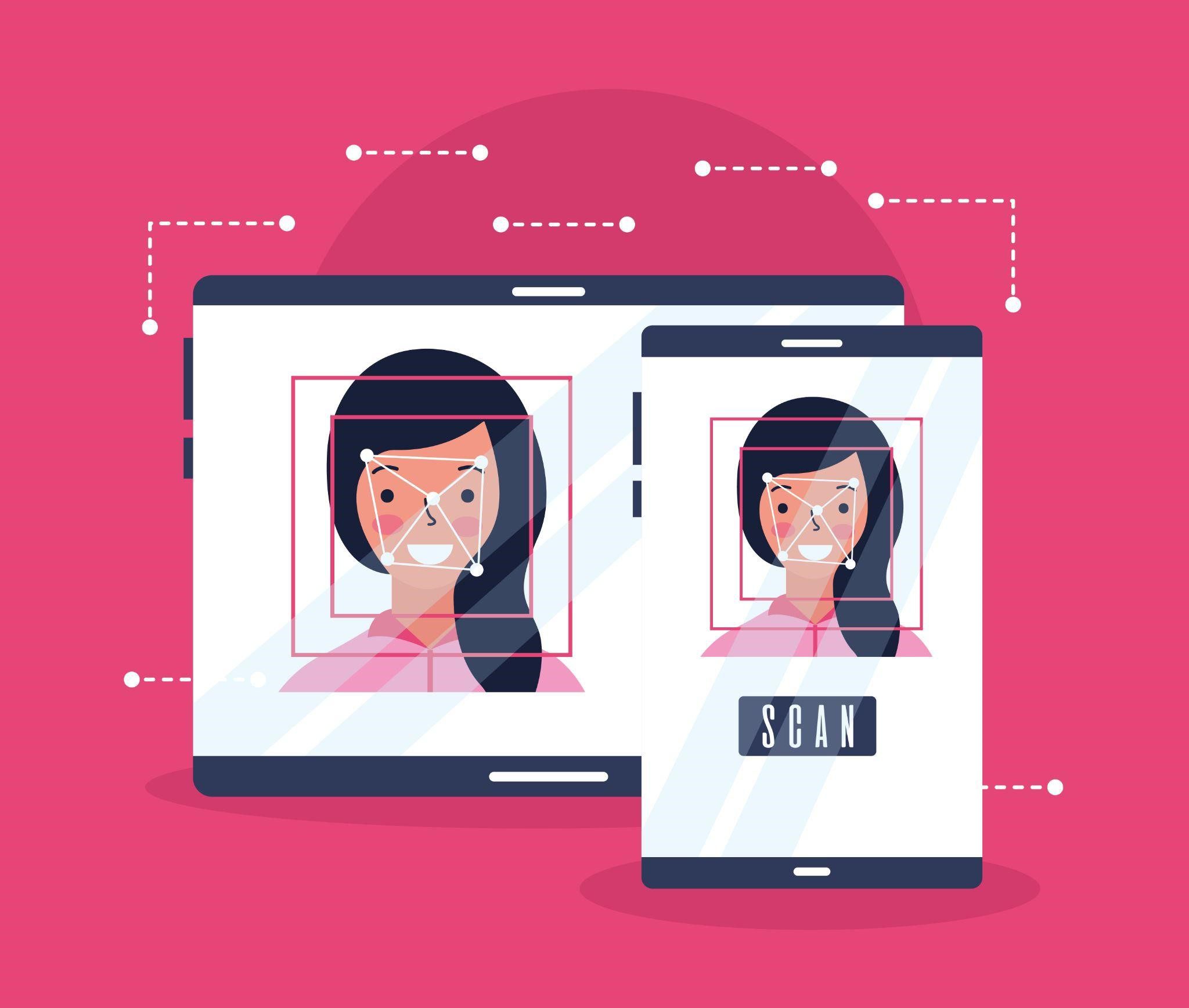
A system built using layers of pattern recognition spots key parts of faces – eyes, nose, mouth, along with the jaw shape. With those points found, artificial intelligence overlays another face carefully matching shadows, tilt, and how someone looks at that moment so it seems real.
A wave of interest in swapping faces in videos started when web apps made it easy for anyone to try. With just a few clicks, people began crafting realistic edits, even with zero experience behind the scenes.
How Video Face Swap Technology Works
Understanding the process behind face swapping helps explain why the results have become increasingly realistic.
1. Facial Detection and Mapping
AI algorithms scan the video frame by frame to detect facial features. These landmarks serve as reference points for accurate placement of the new face.
2. Face Data Training
The system uses uploaded images or videos to learn the facial structure, expressions, and movements of the replacement face.
3. AI Blending and Rendering
The AI blends the new face onto the target video, matching skin tone, lighting, and shadows. This step ensures the swapped face looks natural rather than pasted on.
4. Final Video Output
After processing, the system generates a new video where facial movements synchronize smoothly with the original footage.
Why Video Face Swap Is So Popular
Something new on screens pushes people to want fresh kinds of visuals. What pulls folks toward face-swap tech isn’t just one thing – it’s a mix of curiosity, fun, and seeing themselves differently. A shift in how we share moments makes these tools feel natural, even expected. Seeing a familiar face on an unfamiliar body can spark surprise, laughter, and sometimes disbelief. These reactions keep users coming back. Not always about tricks – sometimes it’s play, sometimes testing limits. The screen becomes a mirror that bends reality just enough to hold attention
- Folks find it works just fine without needing any special skills. Getting things done feels smooth even if you’ve never touched a video tool before. It runs well for anyone who wants to jump right in
- Funny moments pop up easily on social feeds or your own little experiments. A laugh sticks when you share it right, not too loud. Sometimes, quiet jokes work better than big shows online. Little things catch eyes more than flashy clips ever do
- A cheaper way to edit videos without hiring experts
- Creative freedom for storytelling and branding
Folks who aren’t tech experts can now try face swapping, thanks to simpler AI tools. What once needed coding skills now runs on everyday devices.
Common Uses of Video Face Swap Technology
Entertainment and Social Media
Many users enjoy swapping faces in videos for fun, memes, and short-form content on platforms like TikTok, Instagram, and YouTube.
Content Creation
Creators use face swapping to experiment with characters, recreate scenes, or produce engaging visual narratives.
Marketing and Advertising
Brands can localize video campaigns by swapping faces to match different demographics without reshooting entire videos.
Film and Media Production
Studios use face swap technology for visual effects, stunt double replacement, and post-production enhancements.
Education and Training
Face swap videos can be used in simulations, role-playing scenarios, and interactive learning materials.
Benefits of Using Video Face Swap Tools
Accessibility
Modern tools allow users to perform advanced AI tasks directly from a browser, making the technology widely accessible.
Time Efficiency
Traditional video editing can take hours or days. AI face swapping reduces production time significantly.
Cost Savings
Small businesses and creators can achieve professional-looking results without expensive software or equipment.
Creative Flexibility
Users can experiment freely without permanent changes, encouraging innovation and creativity.
Ethical Considerations and Responsible Use
Even though swapping faces in videos works well, using it carefully matters a lot. Things go wrong when people ignore limits – privacy fades, lies spread easily, and someone else’s image gets twisted unexpectedly.
Key ethical guidelines include:
- Using another person’s face? Get their okay first. Before sharing, make sure they agree. Their image, their choice. Never assume permission. Ask every time. Respect comes before posting. Silence does not mean yes. Clear approval matters most
- Avoid deceptive, harmful, or misleading content
- Put clear labels on videos made by artificial intelligence if that’s what they are
- Follow the platform and legal guidelines
When handled with care, switching faces can stay fun and imaginative instead of causing issues.
Choosing the Right Video Face Swap Tool
When selecting a face swap platform, consider the following factors:
- Ease of use
- Output quality
- Privacy and data protection
- Support for single-person and multi-person swaps
- Video processing speed
A good pick? AlFaceSwap. This web tool swaps faces without asking for sign-ins or payments. Try it with one person, several people, even videos. Just upload an image – no extra steps. Fun kicks in fast, whether you’ve tried such tools before or not.
Tips for Achieving High-Quality Face Swap Results
To improve realism and overall quality, keep these tips in mind:
- Use clear, well-lit images for face uploads
- Choose videos with minimal motion blur
- Match facial angles between the source image and video
- Avoid extreme lighting differences
- Start with shorter videos for better processing accuracy
Small adjustments can significantly enhance the final output.
SEO and Content Creation Advantages
From an SEO perspective, face swap content performs well due to high user interest and shareability. Video-based articles, tutorials, and demonstrations attract longer engagement times, which search engines value.
Integrating AI-driven video tools into content strategies can help websites:
- Increase dwell time
- Improve audience retention
- Boost social media shares
- Enhance brand innovation perception
The Future of Video Face Swap Technology
The future of face swap technology looks promising. Advancements in AI will likely lead to:
- Real-time face swapping with higher accuracy
- Improved emotion and expression mapping
- Enhanced video resolution and realism
- Wider adoption in AR and VR environments
As regulations and ethical standards mature, the technology will continue evolving in a more transparent and responsible direction.
Final Thoughts
Imagine showing someone else’s smile on your favorite clip – now that happens online in seconds. A few years back, you needed special tools plus training just to try it. Today, any person browsing can make it work without help. Fun videos, school projects, ads, and even art find new life when faces change places. Stories told through screens keep changing because of this trick.
Starting with trustworthy software helps people dive into what’s possible without unnecessary risks. Because ethics matter, sticking to clear rules keeps things fair and respectful. Knowing how it all functions gives better control over results. Over time, artificial intelligence makes changing faces in videos smoother and easier to reach. This kind of tech grows stronger each day within online spaces.