
Have you ever asked, “Can my game spot a bot right on the player’s device without sending sensitive telemetry to the cloud?” I’ve asked that too. The short answer: yes — with TinyML we can run tiny, efficient models on phones to detect cheating and bots in real time, keep player data private, and reduce server load. Below I’ll walk you through what this looks like in practice, why it matters (especially for legacy devices), and how you and we can build a lightweight pipeline that actually works.
Why on-device detection matters
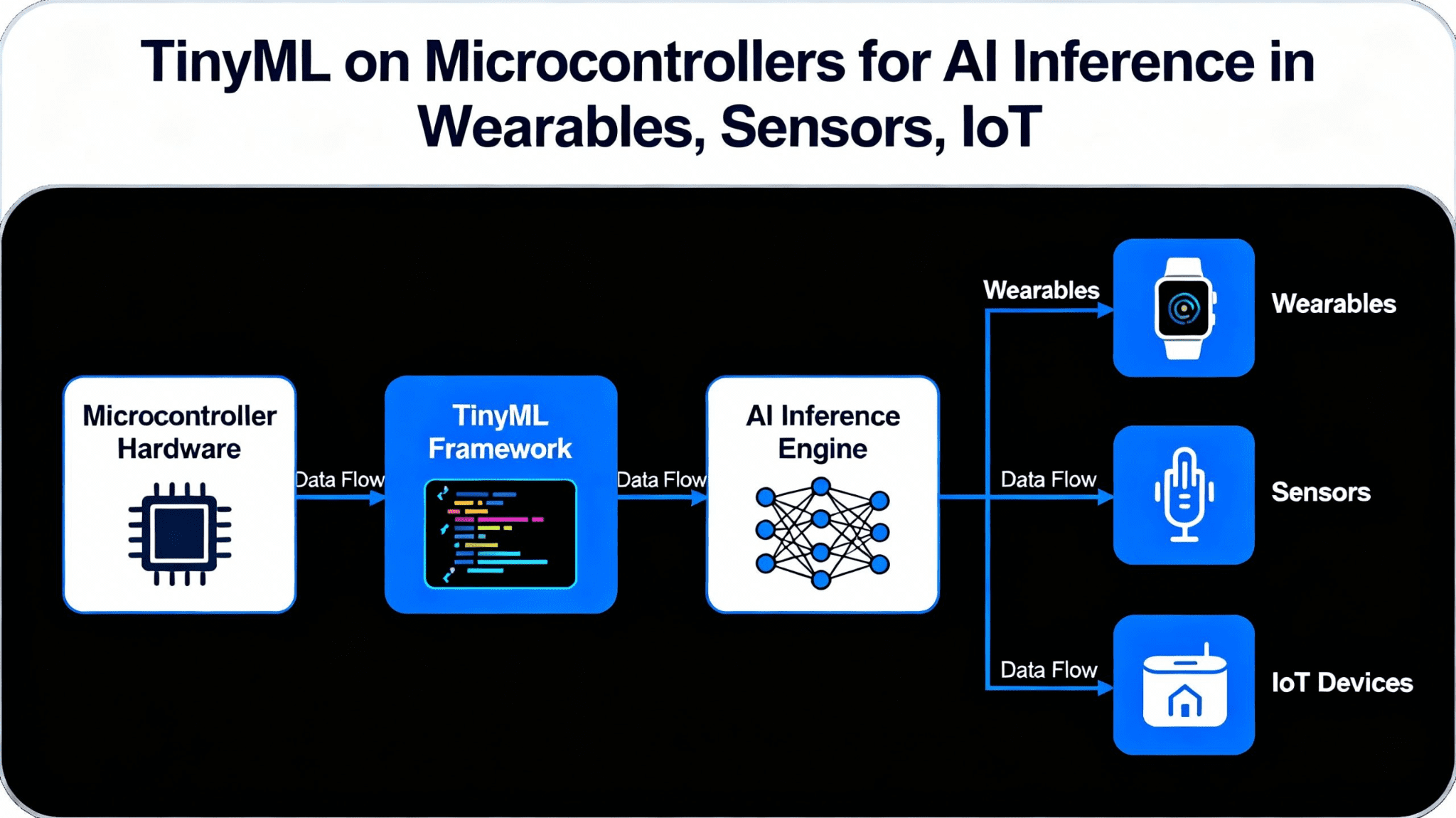
When we detect cheating on the server, we often rely on large logs, delayed analysis, and privacy-sensitive telemetry. On-device detection flips that model: inference happens locally, only final flags or anonymized summaries are sent upstream. That reduces latency (you can respond in milliseconds), preserves privacy, and makes it far harder for cheaters to reverse-engineer detection logic. TinyML was created for this kind of edge-first intelligence — models that fit in kilobytes to megabytes and run with minimal CPU/RAM.
Tooling that gets you there
There are practical TinyML toolchains you can use today. For quick prototypes and device-friendly pipelines, platforms like Edge Impulse make data collection, training, and optimized deployment straightforward; and runtimes such as TensorFlow Lite (including its micro variants) let you run models with tiny footprints on mobile and embedded devices. These tools shorten the path from an idea to a working on-device detector.
Can TinyML work on older phones ?
Yes — with caveats. Some modern ML runtimes take advantage of newer Android APIs and hardware accelerators, but there are backward-compatible options too. For example, Firebase ML Kit TinyML works across the full spectrum.
(If you publish or link legacy installers — make sure you also provide security verification and clear version notes:
What signals should the tiny model use?
We can’t feed full gameplay logs into a 50 KB model — and we don’t need to. Good on-device features are compact, expressive, and cheap to compute:
- Short trajectory summaries: recent touch coordinates, inter-tap intervals, micro-movements (last 30–60 seconds).
- Timing fingerprints: mean/variance of reaction times after dealer events or random stimuli.
- Input entropy: how predictable are inputs? Bots often produce low-entropy patterns.
- Device-local context: unexpected background activity (e.g., simulated inputs), sudden shifts in input modality.
- Lightweight heuristics: sudden speed bursts, perfect timing sequences, or impossible reaction times.
Combine these into small feature vectors and feed them to a tiny model (quantized, 8-bit, or even rule+model hybrid).
Simple models that actually run on device
We don’t need huge nets. Here are practical options:
- Linear model + feature hashing — tiny, interpretable, great as a first filter.
- Shallow fully connected network (1–2 layers, quantized) — fits in tens of KB and maps non-linear combos of timing/entropy features.
- Tiny decision tree / ensemble of stumps — fast, explainable, and robust to drift.
Train in the cloud on labeled sessions or synthetic bot runs, export a quantized TFLite model, and deploy. You can retrain regularly from anonymized aggregate summaries to adapt to new cheat patterns.
Actions & UX — what we do when the model flags a player
Detection without a humane action plan is useless. Consider a graduated response:
- Soft nudge: present a frictionless check (e.g., quick captcha or challenge round) when risk is low.
- Transparency & verification: for medium risk, ask for short reauthentication or provide an explainer (“We detected unusual input timing — please confirm you’re human”).
- Escalation & logging: high risk triggers restricted play and a backend review with anonymized evidence.
A/B test these flows to avoid false positives and preserve monetization.
Privacy, adversarial robustness & maintenance
On-device models help privacy, but adversaries adapt. Use model obfuscation, run periodic server-side sanity checks, and keep a human-in-the-loop for edge cases. Also, plan for model updates: deploy tiny signed model bundles and version them so players get secure, automatic updates without heavy downloads.
Conclusion
If you want real-time cheating detection that respects privacy and works even on older Android devices, think 918kiss apk for android 4.1 2 installs, TinyML is a practical tool — not a research toy. Start small: pick compact features, train a quantized model, deploy via a lightweight runtime (Edge Impulse / TensorFlow Lite / ML Kit), and design humane mitigation flows. We can catch many bots in the wild, protect fair play, and keep your players’ trust — all without shipping tons of telemetry to the cloud.