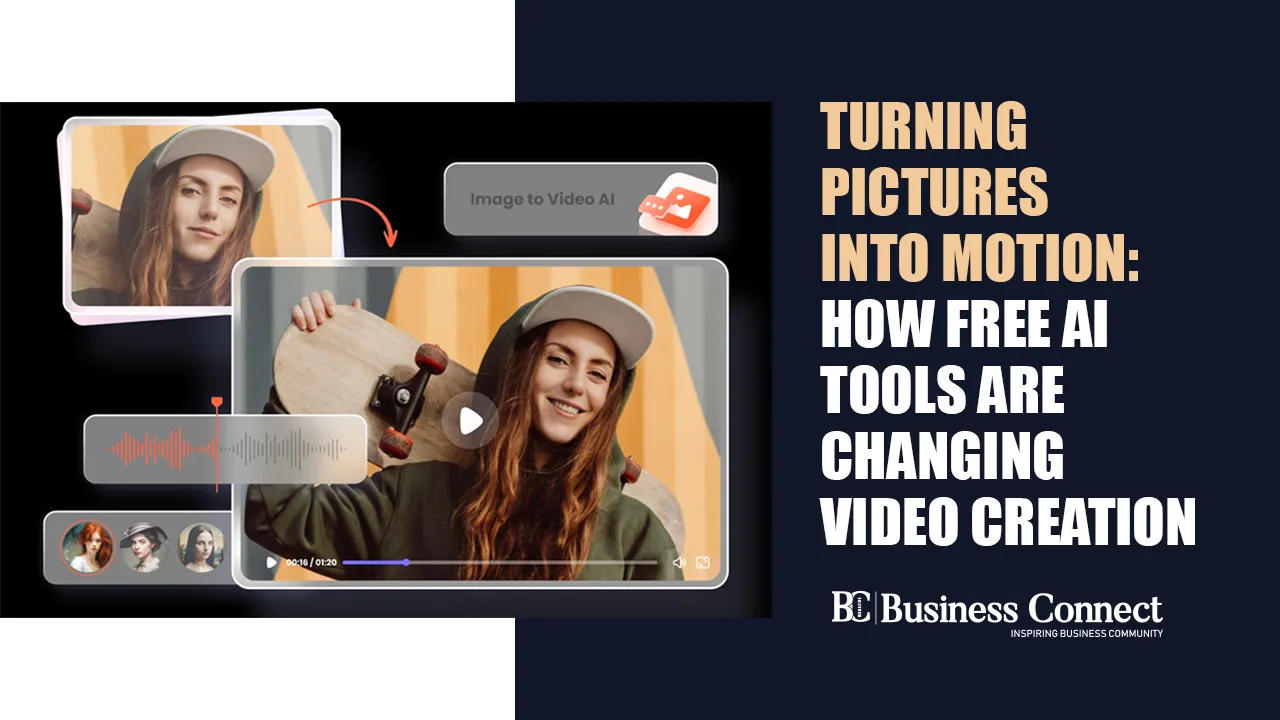
When Still Images Start Breathing
There was a time when a photograph meant a frozen moment—unchanging, silent, and static. Today, that definition is being rewritten. With free AI images and video tools, a simple picture can now blink, move, zoom, and transform into a living visual story.
This shift isn’t just about technology—it’s about perception. We are no longer limited to capturing moments; we can now extend them. A sunset photo can slowly fade into night. A portrait can subtly smile. A product image can rotate as if it were part of a high-end commercial.
And the most surprising part? You don’t need expensive tools or professional skills to do it anymore.
The Engine Behind the Illusion
At the core of Free AI image to video tools lies deep learning—models trained to understand motion, depth, and visual relationships. These systems analyze an image and predict how different elements might move if the scene were alive.
For example, a still image of a person can be transformed into a clip where the subject blinks or tilts their head. A nature photo can show moving clouds or flowing water. The AI doesn’t just animate randomly it generates motion that feels contextually believable.
This is what makes the experience so powerful. It’s not just animation; it’s intelligent motion generation.
From Hours of Editing to Minutes of Creation
Traditional animation and video editing demand time, patience, and technical expertise. Even a simple motion effect can take hours to produce manually. AI tools eliminate that barrier almost entirely.
With just a few clicks, you can upload an image, choose a style, and generate a video within minutes. This dramatic reduction in effort changes how people approach content creation.
Instead of asking, “Do I have time to make a video?” creators now ask, “Which image should I animate next?”
Creativity Without the Learning Curve
One of the biggest reasons these tools are gaining popularity is their simplicity. You don’t need to understand timelines, keyframes, or rendering settings. The interface is usually clean and beginner-friendly.
Some platforms even allow text prompts. You can describe the motion you want—like “cinematic zoom with soft lighting”—and the AI will attempt to bring that vision to life.
This removes the technical barrier and puts the focus back on creativity. Anyone with an idea can now execute it visually.
Turning Ordinary Content Into Scroll-Stoppers
In a world dominated by fast-scrolling social media feeds, static images often get ignored. Motion, however, captures attention instantly.
AI-generated videos help transform ordinary visuals into engaging content. A simple product image can become a short promotional clip. A travel photo can turn into a cinematic moment. Even a meme can be animated for extra impact.
For platforms like Instagram Reels, TikTok, and YouTube Shorts, this can make a significant difference in reach and engagement.
A New Playground for Marketers and Brands
Businesses are quickly adopting AI image to video tools to enhance their marketing strategies. Instead of investing in full-scale video production, brands can now create compelling visuals using existing assets.
Product images can be animated with lighting effects, zoom transitions, or rotating views. This adds a professional touch without increasing production costs.
For small businesses and startups, this is a game-changer. It allows them to compete visually with larger brands without needing a big budget.
Storytelling That Moves—Literally
Storytelling has always been about emotion and connection. With AI animation, stories can now be told in a more immersive way.
Writers can bring scenes to life. Educators can animate concepts. Content creators can build narratives using a sequence of animated images.
This is especially useful in educational and explainer content, where motion can simplify complex ideas and make them easier to understand.
Not Perfect, But Rapidly Improving
While the technology is impressive, it’s not flawless. Free tools often come with limitations such as watermarks, lower resolution, or restricted video length.
There are also moments when the AI-generated motion may feel slightly unnatural. For example, facial movements might not always look realistic, or certain animations may appear repetitive.
However, the pace of improvement in AI is incredibly fast. What looks imperfect today may become seamless in the near future.
Choosing the Right Tool Without Overthinking It
There are many free AI image to video platforms available, each offering slightly different features. Some focus on realism, while others specialize in artistic or stylized animations.
Instead of getting overwhelmed, it’s better to start simple. Pick a tool, test a few images, and see what works best for your needs.
If your focus is social media, look for tools that support vertical video formats. If you’re more into creative projects, explore platforms that offer more customization.
Small Tweaks That Make a Big Difference
Getting the best results isn’t just about the tool—it’s also about how you use it.
High-quality images tend to produce better animations. Clear subjects, good lighting, and minimal clutter help the AI understand the scene more effectively.
Subtle motion usually works better than extreme effects. A gentle zoom or slight movement often feels more natural and visually appealing.
Experimentation is key. Try different styles, adjust settings, and refine your approach based on what looks best.
From Static to Cinematic: A Creative Leap
Free AI image tovideo tools are not just a trend they represent a shift in how we create and consume content. They remove barriers, save time, and unlock new creative possibilities.
Whether you’re a beginner experimenting for fun or a professional looking to scale your content, these tools offer something valuable.
All you need is an image and an idea. The AI takes care of the rest.