
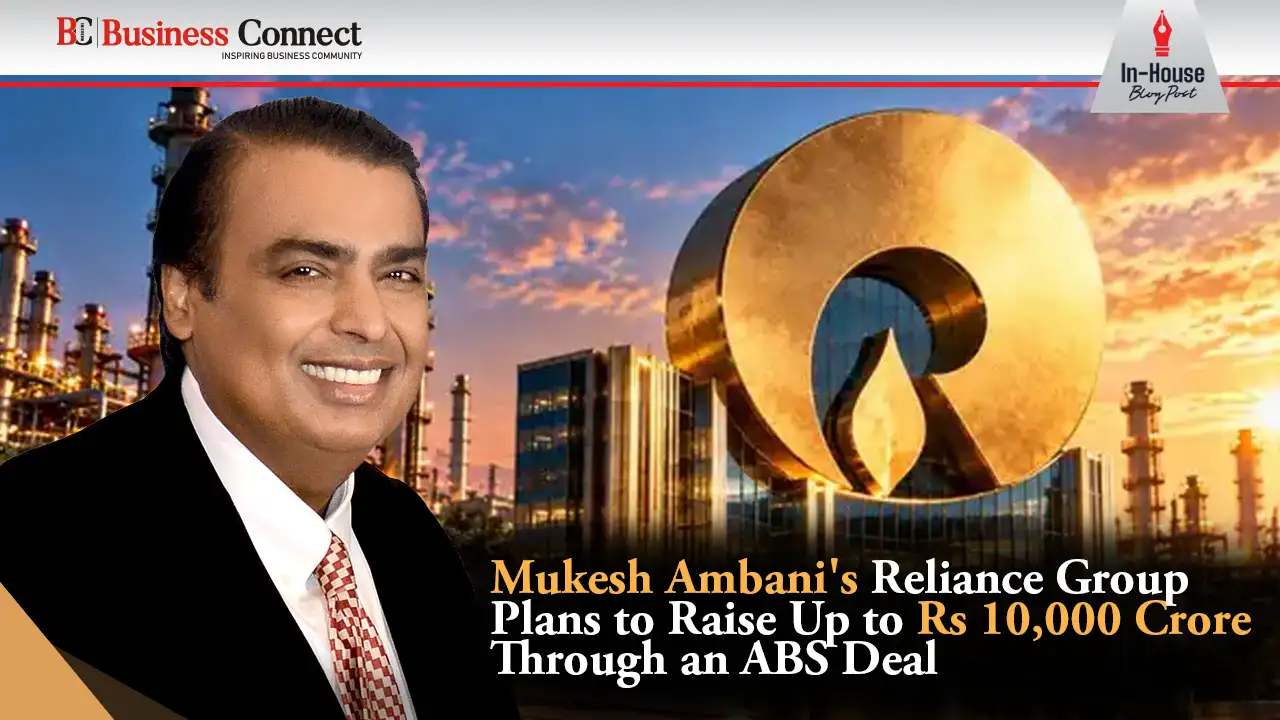
Mukesh Ambani’s Reliance Group Plans to Raise Up to Rs 10,000 Crore Through an ABS Deal
Mukesh Ambani’s Reliance Group is planning to raise up to Rs 10,000 crore ($1 billion) by selling asset-backed securities (ABS) backed by rent, according to Bloomberg. The rent comes from group companies, including Reliance Jio Infocomm. The plan is not final yet, and representatives from Reliance and Barclays did not immediately respond to requests for comment.
As described by Bloomberg’s sources, the notes run for five years and pay investors 8.35% to 8.40% a year. Barclays is so far the only bank arranging the deal. The minimum size is Rs 5,000 crore, with an option to retain subscriptions for another Rs 5,000 crore. At the maximum size, the deal would be among the larger ABS transactions in India this year.
An asset-backed security works in a simple way: a company chooses a steady flow of income, here, rent, and sells investors the right to be paid from it. Investors look at the strength of the whole company and that income. The sellers received a huge amount of money over five years.
Why a Low-Debt Giant Is Paying More to Borrow
Reliance is a giant company group and is not short of money. The company’s net debt was Rs 122,914 crore at the end of June; it is 0.6 times its yearly operating profit. Management says it aims to keep that ratio below one.
Yet the rent-backed notes look more expensive than plain borrowing. In September, Reliance raised Rs 12,000 crore through five-year bonds at 7.47%, its first rupee bond sale since November 2023. The ABS is reported at around 0.9 percentage points more for the same tenor. On Rs 10,000 crore, the gap is worth about Rs 90 crore a year, or close to Rs 450 crore over five years before fees. The final rate is not fixed, so the gap may change.
Further, the Reliance Group plans a 10-year bond of about Rs 10,000 crore at 7.90%, according to Reuters. It is a separate raise, so the two Rs 10,000 crore figures should not be mixed up. Nobody has confirmed the purpose of the money so far.
Why Reliance is Moving Early
The timing may be a strong reason. Many companies are rushing to sell bonds as the RBI may raise rates later this year, with solid progress keeping inflation worries. Plus, the central bank is pulling extra cash out of the banking system. As reported by Bloomberg, a surplus of 4.2% trillion rupees is far below its peak. When banks have less cash, borrowing will become costlier later, so moving early makes sense. Although Reliance has not given any statement on the reasoning, it should be taken as a guess, not a fact.
Last year in September, the group raised Rs 21,000 crore through similar securities; it was one of the largest deals India has witnessed. The market is growing rapidly. Bloomberg reports that ABS issuance hit a record Rs 1.53 lakh crore in the year to 31 March, helped by global banks buying in. For years, this space belonged mainly to non-banking lenders, so a giant like Reliance is walking in, transforming the space. Even the other issuers on the calendar look small next to it. Adani Airport Holdings is seeking up to Rs 1,000 crore, and JSW Energy is aiming for as much as Rs 500 crore.
What Small Business Owners Can Learn From Reliance
Reliance has low debt and is still adding ways to raise money. Strong companies treat funding as a choice. Small firm owners can borrow the habit without the scale. This week, list the money you can count on over the next twelve months. Then ask who would pay you for it today and at what cost.
Frequently Asked Questions
What is an asset-backed security?
It is a claim on a specific income stream; here, the rent paid by group entities such as Reliance Jio Infocomm and investors is repaid from that rent.
Why is Reliance selling rent-backed notes when its debt is low?
There is no official comment, but the most likely reason is access. A structured deal reaches investors who do not buy ordinary bonds and spreads funding across more than one market.
How big is the Reliance ABS deal, and is it final?
The plan is for up to Rs 10,000 crore, with a minimum of Rs 5,000 crore and an option to retain another Rs 5,000 crore. It is not final, and the coupon of 8.35%to 8.40% may change.
Add Business Connect magazine to your Google News feed