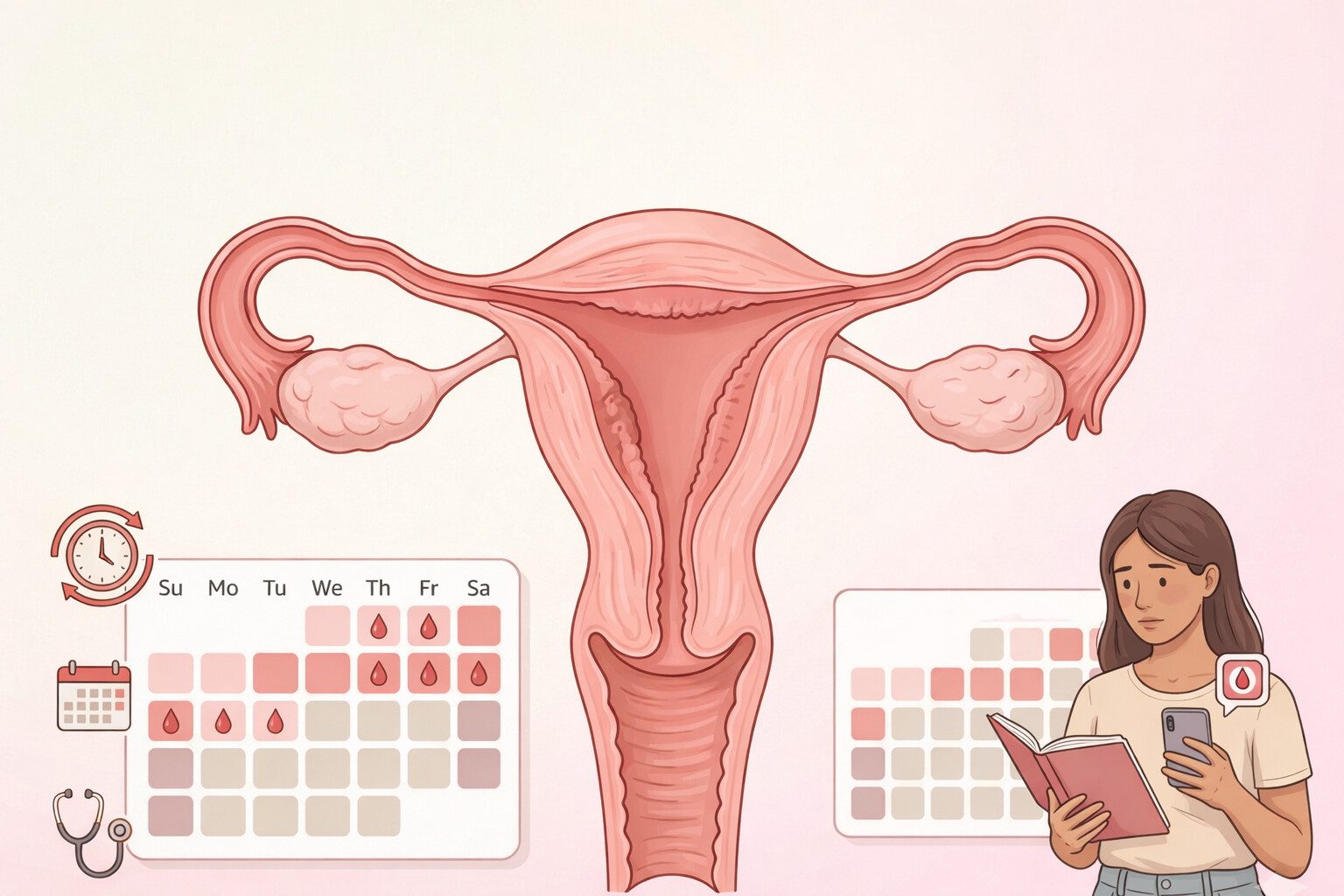
Manage abnormal uterine bleeding and regulate menstrual cycles with medications like Deviry 10 mg and Meprate 10. Combine this with timely medical consultation, hormonal evaluation, and healthy lifestyle practices.
Abnormal uterine bleeding (AUB), which is a common concern among women, can manifest in women across different stages of life, from adolescence to the premenopausal period. It has been defined as any vaginal bleeding pattern that varies from a normal menstrual cycle in terms of timing, duration, and amount. This can include heavy or prolonged menstrual bleeding, bleeding between two consecutive menstrual periods, or bleeding during the postmenopausal period. Although it has been noted that variations in the menstrual cycle are not always a major concern, abnormal uterine bleeding can significantly affect women and their daily activities, and it can be an indication of an underlying condition. It can be attributed to a variety of factors, including hormonal, medical, and lifestyle-related aspects. It has been noted that the management of abnormal uterine bleeding can be achieved through the administration of medications like Deviry 10mg and Meprate 10, among other measures.
Understanding Abnormal Uterine Bleeding
Abnormal uterine bleeding occurs when the normal hormonal regulation of the menstrual cycle is disrupted. Hormones such as oestrogen and progesterone help control the buildup and shedding of the uterine lining, and any imbalance between them may result in irregular or excessive bleeding. This condition can affect women at different stages of life. Adolescents may experience irregular cycles as hormones stabilise, while women approaching menopause may notice changes due to fluctuating hormone levels. In some cases, it may be associated with underlying conditions such as thyroid disorders, uterine fibroids, or polyps. Identifying the underlying cause is important for determining the most appropriate treatment and management approach.
Common Causes and Risk Factors
Abnormal uterine bleeding may arise from a variety of factors, including hormonal, structural, and lifestyle-related causes. Common contributors include:
- Hormonal Imbalance: Disruptions in oestrogen and progesterone levels may affect the normal menstrual cycle, leading to irregular or heavy bleeding.
- Polycystic Ovary Syndrome (PCOS): This condition may interfere with ovulation and cause irregular or missed periods followed by heavy bleeding.
- Uterine Fibroids or Polyps: Non-cancerous growths in the uterus may lead to prolonged or heavy menstrual bleeding.
- Thyroid Disorders: Both underactive and overactive thyroid conditions may impact menstrual regularity.
- Stress and Lifestyle Factors: High stress levels, poor sleep, or sudden lifestyle changes may affect hormonal balance.
- Obesity or Low Body Weight: Weight fluctuations may influence hormone production and menstrual cycles.
- Certain Medications: Hormonal treatments or medications affecting blood clotting may alter bleeding patterns.
Symptoms of Abnormal Uterine Bleeding
Symptoms may vary depending on the underlying cause and severity of the condition. Common signs include:
- Heavy menstrual bleeding that may require frequent pad or tampon changes and interfere with daily activities
- Periods lasting longer than seven days
- Bleeding or spotting between regular menstrual cycles
- More frequent periods with shorter cycle intervals
- Any bleeding after menopause that is not considered normal
- Fatigue and weakness due to ongoing blood loss
- Symptoms of anaemia, such as dizziness, pale skin, or shortness of breath
Using Medications for Management
Medications such as Deviry 10mg and Meprate 10 are commonly used to help regulate menstrual cycles and manage abnormal uterine bleeding. These medications contain progesterone, which supports hormonal balance and helps control excessive or irregular bleeding. They are usually prescribed for a specific duration depending on individual needs and may help restore a more regular menstrual pattern over time. While effective, these medications are typically part of a broader treatment plan that includes medical evaluation and lifestyle adjustments.
- Consult Your Doctor: A healthcare professional can identify the underlying cause of abnormal bleeding and recommend an appropriate treatment plan.
- Follow Prescribed Dosage: Taking medications exactly as advised may improve their effectiveness in regulating cycles.
- Monitor Your Response: Keeping track of changes in bleeding patterns and symptoms may help assess treatment progress and guide further care.
Lifestyle Measures to Support Menstrual Health
In addition to medications like Deviry 10mg and Meprate 10, certain lifestyle practices may support hormonal balance and overall reproductive health:
- Maintain a Balanced Diet: Including iron-rich foods such as leafy greens, legumes, nuts, and whole grains may help prevent anaemia and support recovery from blood loss. A well-balanced diet also provides essential nutrients that support hormone regulation
- Manage Stress Levels: Chronic stress may disrupt hormonal balance and affect menstrual regularity. Practising relaxation techniques such as yoga, meditation, or deep breathing may help improve overall hormonal health
- Track Your Menstrual Cycle: Keeping a regular record of cycle length, flow, and symptoms may help identify patterns or irregularities early and provide useful insights during medical consultations
- Maintain a Healthy Weight: Both excess weight and being underweight may impact hormone production and menstrual cycles. Maintaining a stable, healthy weight may support more regular cycles
- Stay Physically Active: Regular physical activity, such as walking, stretching, or light exercise, may help improve blood circulation, reduce stress, and support overall hormonal balance and well-being
When to Seek Professional Help?
While mild irregularities may not always be serious, certain symptoms should not be ignored and require medical attention:
- Very Heavy Bleeding: Soaking through pads or tampons frequently or passing large clots may need urgent evaluation.
- Prolonged Periods: Bleeding lasting longer than usual or occurring repeatedly over several cycles.
- Bleeding After Menopause: Any postmenopausal bleeding should be assessed by a doctor.
- Severe Fatigue or Dizziness: These may indicate anaemia due to significant blood loss.
- Persistent Irregular Cycles: Ongoing menstrual irregularities that do not resolve over time.
Early medical consultation may help identify underlying causes, prevent complications, and ensure appropriate treatment.
Conclusion
Abnormal uterine bleeding can be concerning, but with proper evaluation and timely management, it may be effectively controlled. Understanding the symptoms and recognising when to seek medical advice are important steps toward maintaining reproductive health. Medications such as Deviry 10mg and Meprate 10 may help regulate hormonal balance and manage bleeding when used as prescribed and under medical supervision. By combining medical treatment with healthy lifestyle practices and regular monitoring, women may be able to achieve better menstrual health and overall well-being. If symptoms persist or worsen, seeking timely medical advice is essential.