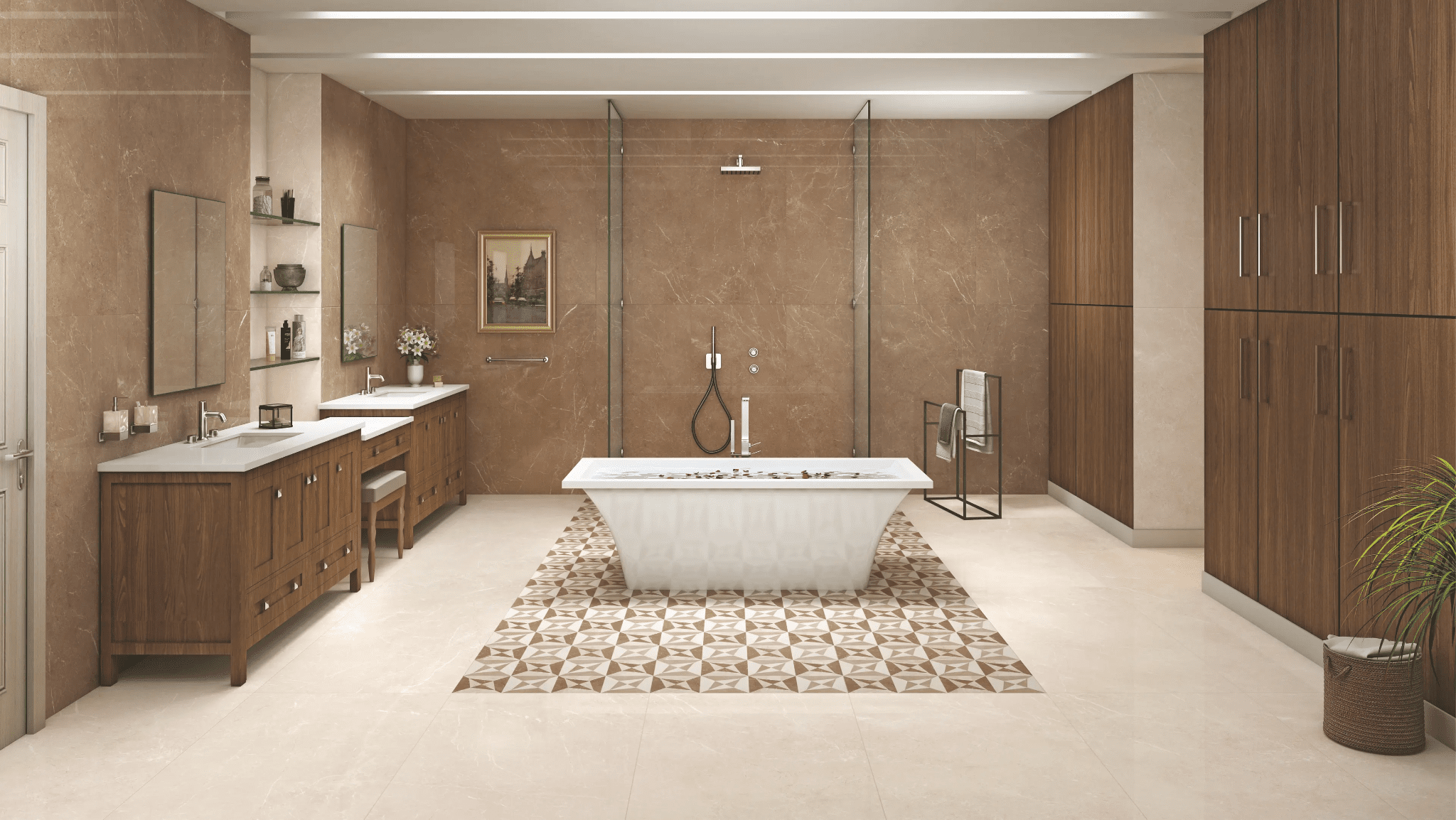
Choosing the right toilet fixture is an important part of bathroom planning. It affects daily comfort, hygiene, and the efficiency with which the space is used. Two of the most common options found in Indian homes are the western commode seat and the Indian commode. Each comes with its own advantages, and the choice often depends on lifestyle, space, and personal preference. Understanding the differences between these two options can help you make a decision that suits both your needs and your bathroom’s overall design.
What is a Western Commode Seat?
A western commode seat allows users to sit comfortably while using the toilet. It features a raised bowl and a seat, making it suitable for people of all ages. Most homes prefer this option because it offers convenience and ease of use. Elderly individuals, children, and people with mobility concerns find it particularly comfortable. The seated position reduces strain and supports a more relaxed experience.
You can choose between wall-mounted and floor-mounted versions. Wall-mounted designs create a cleaner look and make floor cleaning easier. Floor-mounted options offer simpler installation and remain widely used across many households. Manufacturers design these commodes with smooth surfaces, which makes cleaning easier. Many models also include efficient flushing systems that support hygiene while managing water usage effectively.
What is an Indian Commode?
An Indian commode sits at floor level and requires squatting. It has long been a popular choice in Indian households for its simplicity and functionality. This design does not rely on additional components like seats, which keeps the structure simple. It also reduces installation complexity, making it a practical choice for many homes.
Many users prefer the squatting position because it aligns naturally with body movement. Those who have used it for years often find it more comfortable for daily use. The Indian commode also offers durability. Its simple structure reduces the chances of wear and tear, allowing it to perform consistently over time.
Western Commode Seat vs Indian Commode Option
Both options serve the same purpose, but they differ in design, usability, and space efficiency. Here is a clear comparison:
| Aspect | Western Commode Seat | Indian Commode |
| Posture and Comfort | Supports a seated posture, offering greater comfort and accessibility | Requires a squatting position, suitable for users accustomed to it |
| Space Requirements | Requires more space due to its structure | Compact design, ideal for smaller bathrooms |
| Installation | May need more detailed installation, especially wall-mounted types | Easier to install with a simpler design |
| Maintenance | Includes additional components like seats and tanks, requiring extra care | Fewer parts make cleaning and maintenance quicker |
Both options continue to be widely used across different types of homes. Brands like Simpolo Tiles & Bathware offer a range of western and Indian commode solutions, making it easier to choose based on comfort, space, and overall bathroom design preferences.
Design and Visual Impact
Bathroom design today focuses on clean layouts and well-organised spaces. A western commode seat supports this approach with its structured, refined appearance. Wall-mounted designs, in particular, create a sense of openness by keeping the floor visible.
An Indian commode follows a more functional design. With the right tile selection and layout, it can still blend well into modern bathrooms. It works best in spaces where practicality remains the main focus. The chosen fixture should align with the overall bathroom design, including tiles, fittings, and layout.
Hygiene and Water Efficiency
Both fixtures support hygiene when used correctly. A western commode seat often includes advanced flushing systems that help manage water usage while maintaining cleanliness. An Indian commode relies more on manual water use, which gives users greater control over cleaning. Its design allows direct washing, which many users prefer. Selecting the right option depends on how you manage water use and maintain cleanliness in daily routines.
Making a Practical Choice
The final choice depends on how you plan to use the bathroom. A western commode seat offers comfort, accessibility, and a modern appearance, while an Indian commode provides simplicity, durability, and efficient use of space. Consider user comfort, space availability, and maintenance needs before making your decision. A well-planned choice ensures the bathroom remains practical, functional, and easy to use daily.
Conclusion
Both options perform the same function but cater to different habits and priorities. Rather than focusing only on trends, it is more practical to consider who will use the space regularly and how the bathroom is designed. A thoughtful selection ensures better usability over time, reduces inconvenience, and keeps maintenance manageable. When the fixture aligns with everyday needs, it naturally contributes to a bathroom that feels efficient, comfortable, and easy to maintain.