
Getting paid internationally as an Indian freelancer or startup founder should be simple. In practice, it rarely is. Between SWIFT delays, steep conversion fees, and platform restrictions, cross-border payments remain a genuine operational headache. Crypto cards are increasingly being explored as a practical workaround, and understanding how to use them correctly matters both financially and legally for Indian businesses operating globally.
Why Global Payments Are Still Broken for Indian Startups and Freelancers
SWIFT Delays and High Conversion Costs
SWIFT transfers typically take two to five business days and carry layered fees from sending banks, intermediary institutions, and receiving banks. Combined, these costs can significantly reduce the value of smaller invoices. For freelancers, consultants, and early-stage startups handling recurring international payments, those charges directly impact profitability and cash flow.
Platform Restrictions and Currency Limits
Several international payment platforms continue to impose limitations on Indian users, especially around withdrawals, currency conversions, and settlement flexibility. Many global tools still do not fully support INR transactions, forcing businesses to rely on multiple intermediaries that increase both operational complexity and transaction costs. These challenges remain ongoing for many digital-first Indian companies and independent professionals.
Where Crypto Cards Fit as a Practical Alternative
Crypto cards allow users to receive funds in cryptocurrency and spend them almost instantly anywhere Visa or Mastercard is accepted. By reducing dependence on SWIFT infrastructure and intermediary banking layers, they can simplify international transactions for globally connected businesses. This growing convenience is one of the reasons crypto payment solutions are attracting attention among Indian freelancers, startup founders, remote teams, and digital entrepreneurs.
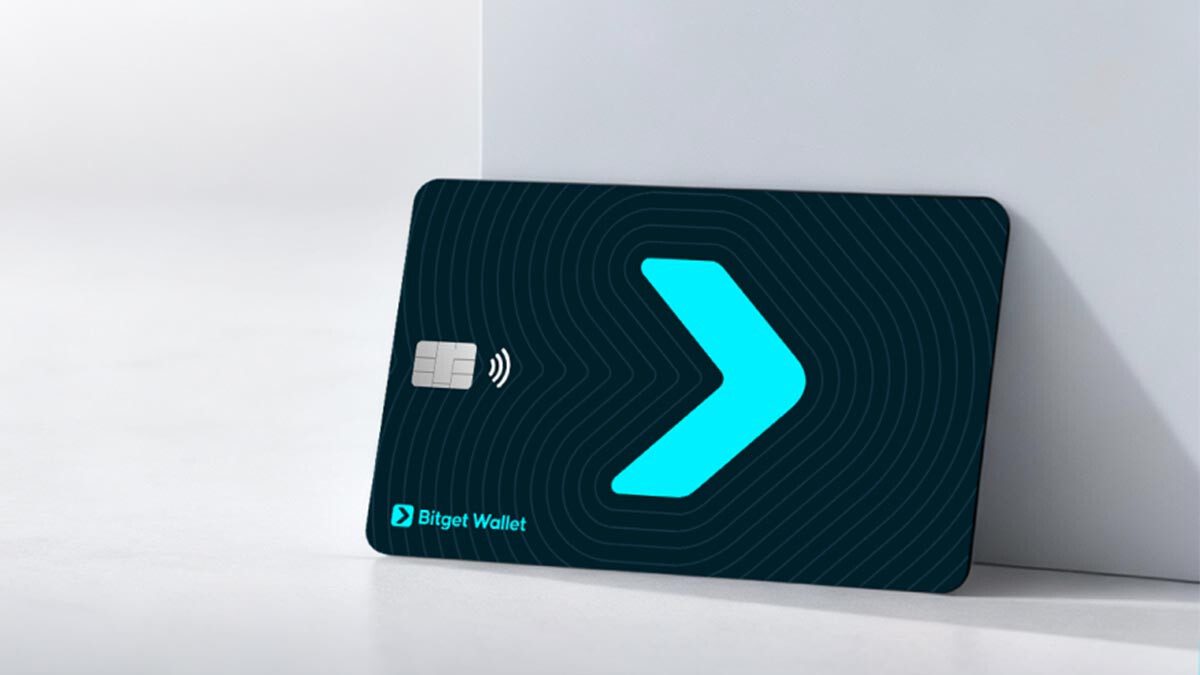
For businesses managing subscriptions, cloud infrastructure costs, international advertising, or payments to overseas contractors, solutions such as the Bitget Wallet Card are designed to make crypto-based spending more accessible in day-to-day operations. The card supports real-time crypto conversion during transactions, works across global merchant networks, and connects with a broader Web3 wallet ecosystem that can be useful for digitally native startups handling international business expenses.
What Crypto Cards Actually Are (and How They Work)
When a crypto card is used for payment, the provider converts cryptocurrency balances into the merchant’s local currency in real time. Users generally do not need to manually sell crypto assets before completing purchases. Some cards operate on a prepaid structure, while others connect directly to a crypto wallet balance. Virtual cards are also commonly available for online subscriptions, digital services, and international software payments.
Most established crypto cards operate on Visa or Mastercard payment rails, which gives users broad merchant acceptance worldwide. For startups and freelancers working across borders, this can create a more seamless payment experience compared to traditional international banking methods.
India’s Regulatory Landscape for Crypto Card Usage
RBI and FEMA Rules on Foreign Currency Transactions
The Reserve Bank of India regulates outward and inward remittances under FEMA guidelines. Cryptocurrency is not officially recognized as foreign currency under FEMA, which creates uncertainty around how crypto-based receipts should be treated for export realization purposes. Although India’s crypto environment has evolved since the Supreme Court lifted the RBI banking restriction on crypto entities in 2020, compliance obligations remain important.
That uncertainty exists despite India remaining one of the world’s largest crypto adoption markets. According to Chainalysis’ 2024 Global Crypto Adoption Index, India ranked first globally for grassroots cryptocurrency adoption for the second consecutive year, reflecting sustained retail and business-level usage even under a stricter tax and compliance framework.
Freelancers and startups using crypto payment methods should seek professional guidance before treating crypto settlements as equivalent to standard wire transfers for regulatory or accounting purposes.
Tax Treatment: TDS, Income Declaration, and Crypto Gains
Under Section 115BBH of the Income Tax Act, income from Virtual Digital Assets (VDAs), including cryptocurrencies, is taxed at a flat 30%. Current tax rules also impose a 1% TDS under Section 194S on qualifying crypto transactions above the prescribed threshold.
Income received through cryptocurrency transactions must still be declared in INR based on the applicable market value at the time of receipt. Proper transaction records, including wallet activity and conversion details, are essential for maintaining accurate financial reporting and tax compliance.
GST Implications for Freelancers Exporting Services
Indian freelancers exporting services may qualify for zero-rated GST treatment under export of services provisions. However, receiving payments through crypto rather than conventional banking channels may complicate documentation requirements associated with export compliance. Businesses should consult qualified chartered accountants familiar with both crypto taxation and international service exports before adopting crypto-based settlement structures.
Crypto Payment Card for Indian Users
For Indian users evaluating crypto-linked payment solutions, the Bitget Wallet Card offers features suited to freelancers, startup operators, and remote-first businesses managing international expenses. The card does not apply monthly or annual maintenance fees and supports crypto-funded payments with real-time conversion during transactions.
Its integration with a Web3 wallet ecosystem may also appeal to users who prefer direct access to digital assets while maintaining flexibility for everyday spending. For startups handling recurring global subscriptions or paying international vendors, the ability to move between crypto balances and merchant payments without traditional banking delays can improve operational efficiency.
How Indian Freelancers and Startups Can Use Crypto Cards
Freelancers working with overseas clients can receive payments in stablecoins such as USDT or USDC and use crypto cards to pay for software subscriptions, travel bookings, online services, or international purchases. Using stablecoins instead of highly volatile crypto assets may help reduce exposure to major market fluctuations between payment receipt and spending.
Startups are also increasingly exploring crypto cards for operational expenses including SaaS tools, cloud hosting services, remote contractor payments, and digital advertising campaigns. In distributed teams, cards can provide controlled access to company spending without requiring lengthy international bank transfer workflows.
Maintaining proper accounting records remains essential. Businesses should document invoice details, INR equivalents, wallet transactions, and business purposes for every payment to support future audits or compliance reviews.
Crypto Cards vs. Traditional Cross-Border Payment Options
Crypto card transactions can often settle faster than traditional international bank transfers, particularly for smaller recurring business payments. Conversion costs may also be more competitive compared to certain wire transfer structures involving intermediary banking fees and unfavorable exchange spreads.
However, traditional banking systems still provide clearer documentation frameworks that are more widely recognized by financial institutions and regulatory authorities in India. Businesses managing large-scale exports or requiring formal export realization documentation may still rely primarily on conventional banking channels while selectively using crypto-based payment tools for operational flexibility.
Key Risks Indian Users Should Manage
Market volatility remains one of the biggest considerations when using crypto for business transactions. If asset prices fluctuate significantly between receipt and spending, the effective value of payments can change quickly. Many users therefore prefer stablecoins for routine operational transactions.
Custodial risk is another factor, particularly when funds are stored on centralized platforms. Regulatory developments, compliance checks, and transaction monitoring requirements may also evolve over time as India’s digital asset framework continues to mature.
To manage these risks responsibly, startups and freelancers should maintain detailed transaction records, avoid undocumented high-volume activity, and seek professional guidance on taxation and compliance matters where necessary.
Step-by-Step: Getting Started with a Crypto Card in India
- Select a provider that supports Indian users and offers compatibility with major payment networks such as Visa or Mastercard.
- Complete the required KYC verification process using PAN and valid identity documents.
- Fund the wallet using supported stablecoins or other accepted digital assets.
- Activate the physical or virtual card and begin with smaller test transactions.
- Track spending activity carefully by maintaining INR conversion records and transaction dates.
- Consult a qualified tax advisor or chartered accountant before scaling crypto-based business payments significantly.
Frequently Asked Questions
Can Indian Freelancers Legally Use Crypto Cards for Receiving Payments?
There is currently no explicit prohibition on receiving payments in cryptocurrency. However, how such payments are treated under FEMA and export realization rules remains a developing area. Professional advice is recommended before relying entirely on crypto-based settlements for business operations.
Do Crypto Card Transactions Require Separate Tax Reporting in India?
Yes. Crypto-related income and gains must still be reported under applicable Indian tax regulations. INR valuation at the time of receipt should also be documented for accounting and compliance purposes.
Which Crypto Card Has the Lowest Fees for Indian Users?
Fee structures vary across providers. Some focus on lower conversion costs and zero maintenance fees, while others emphasize premium features or reward programs. Businesses should compare transaction costs, withdrawal terms, and merchant compatibility based on their actual operational requirements.
Can I Use a Crypto Card for INR Withdrawals at Indian ATMs?
Some providers support ATM withdrawals in India, although availability depends on local banking integrations and regional support. Users should verify withdrawal functionality and associated conditions directly with the provider before relying on ATM access regularly.
How Do I Prove Export Realization If I’m Paid via Crypto Card?
Crypto payments do not generally generate traditional Foreign Inward Remittance Certificates used in banking channels. Businesses should therefore maintain invoices, wallet records, payment confirmations, and conversion logs to support financial reporting and compliance documentation where required.