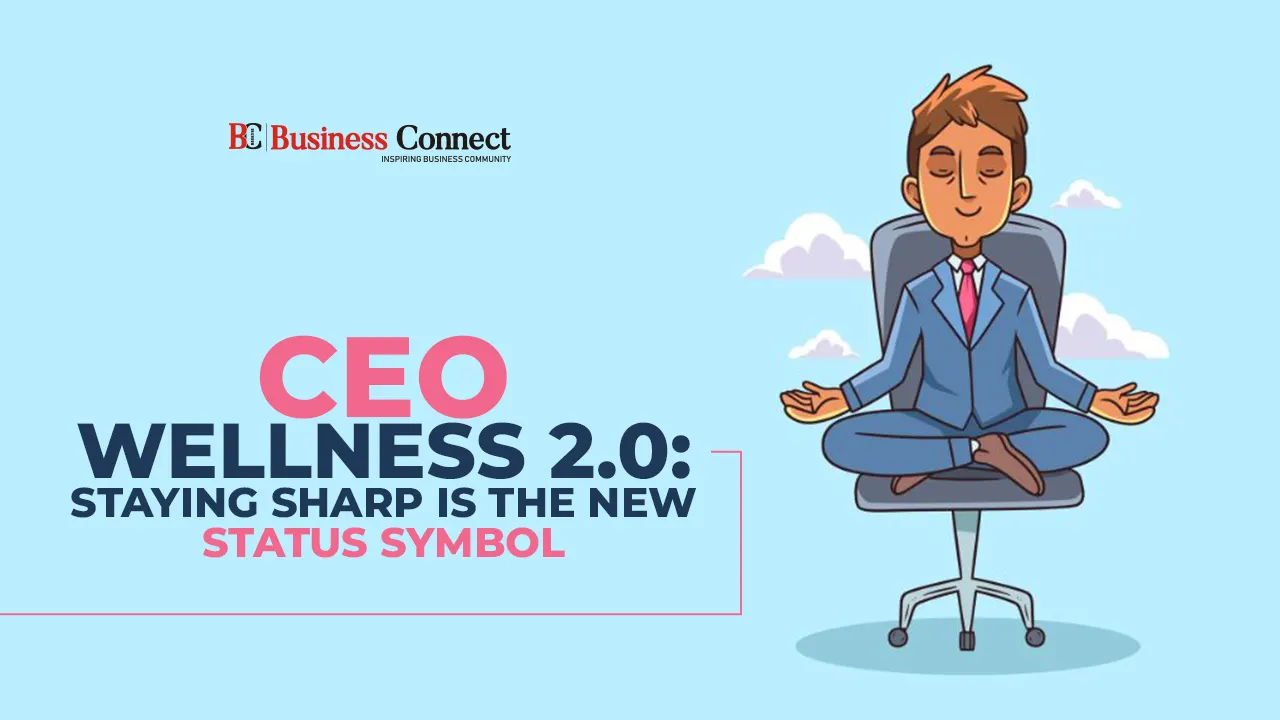
CEO Wellness 2.0: Staying Sharp is the New Status Symbol
Executive health has always meant a corner-office gym membership and an annual physical checkup that is often skipped. The winning CEOs right now are not the healthiest-looking ones in the annual report pictures, but they are the ones who can still make wise choices in a difficult life phase.
This is called Wellness 2.0; it focuses on capacity, not vanity metrics. Sleep, recovery, mental health, wearable data, and AI-assisted health tracking – all of it has turned into infrastructure from a perk. Multiple clinics today run executive health programmes focused on business leaders, pairing advanced diagnostics with physicians who understand what a 70-hour week does to a body over time. Boards of giant companies now treat a CEO’s health as a continuity risk instead of a private matter, and that changes the calculus. A health scare is not just personal anymore but a succession question.
The Issue Nobody Talks About
High performers run on fumes, and it is not invisible. Calm surveyed 253 C-suite executives; 48% of executives said they feel overwhelmed, 41% said they struggle with sleep, and 34% called themselves exhausted. Only one in four said their mental battery is full, and three out of four top executives are working below capacity.
Sleep is the most crucial factor. 8 in 10 executives get less than seven hours of sleep, even though over 80% accept that sleep is their most underused performance level. This is not ignorance but a calendar issue. A business leader who never recovers does not work well. One can hit a jackpot but not a successful career with a tired body and mind.
Wellness: The New Budget Line
The broader corporate market is already moving in this direction. Wellhub found 58% of CEOs have accepted that employee wellbeing drives financial performance, not just morale.
Companies are planning to hold or raise wellness spending, and they now expect measurable results instead of another app nobody opens. The interesting part, companies are not only spending more, but they want wellness to produce outcomes.
It is clearly visible in healthcare decisions. Bank of America puts over $250 million a year into employee GLP-1 coverage. CEO Brian Moynihan takes this as an investment rather than a cost.
The same principle is emerging among the CEOs; health is being treated as an asset to manage, not an expense to tolerate.
What does CEO Wellness 2.0 Look Like?
The New executive playbook is practical:
- Protecting sleep like a meeting you cannot cancel, not the first cut when the workload increases.
- Building movement into the calendar like walking meetings, standing desks and short activity breaks.
- Reading wearables for trends and useful information around sleep, activity and recovery. Data should inform decisions instead of becoming another source of anxiety.
- Prioritising prevention through regular medical assessments and evidence-based screening before they become disruptions.
- Using AI for help in interpreting personal health data and personalising recommendations, but it cannot replace qualified medical support.
Healthspan: The Next Frontier
Health conversations are moving beyond longevity today. Today, the question is not how long you can live but how long you will stay sharp, independent and useful.
A 2026 survey found that 73% of people would rather live better than longer, and 85% preferred sustainable change over extreme health trends. For CEOs and business leaders, that distinction matters. The ultimate executive wellness strategy may not include another supplement or wearable, but it should build a system in which high performance and recovery can coexist. The growth does go to the CEOs who burn out, but also to those who protect enough energy to be sharp five years out!
Frequently Asked Questions
What does CEO Wellness 2.0 mean?
CEO Wellness 2.0 is a data-driven and preventive approach. It includes physical, mental and cognitive health as seriously as physical health.
Should companies monitor CEO health?
Yes, boards should have legitimate, continuous and successful concerns. But personal health information requires strict privacy, consent and medical confidentiality.
Add Business Connect magazine to your Google News feed