
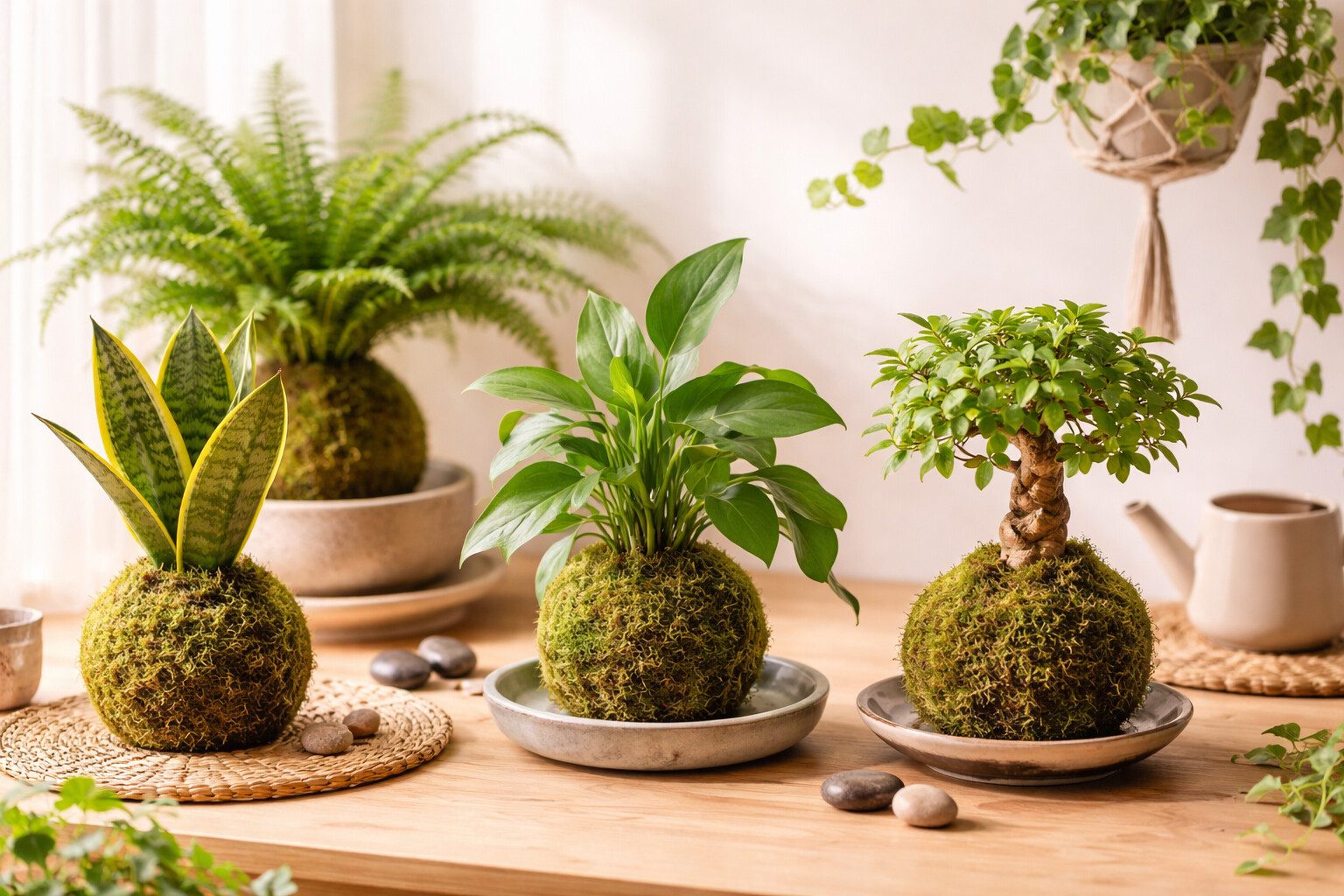
Indoor gardening has seen a noticeable shift in recent years. What was once limited to potted plants placed on windowsills or corners has now evolved into a more design-focused approach. Today, people are not just bringing greenery indoors they are styling it in ways that complement their space. This is where kokedama plants are making a distinct mark.
Rooted in Japanese gardening techniques, kokedama often referred to as “moss balls” offers a refreshing alternative to traditional planters. By wrapping plant roots in soil and moss instead of placing them in pots, this style creates a clean, minimal, and visually striking look that fits perfectly into modern homes.
A Shift from Traditional Planters
For years, indoor gardening revolved around decorative pots and containers. While they still have their place, many people are now exploring more creative and space-efficient ways to display plants. Kokedama plants stand out because they remove the need for bulky planters altogether. This shift is particularly appealing in smaller homes where space is limited. Without heavy pots, the arrangement feels lighter and less cluttered, making the overall setup more flexible. It’s a simple change, but one that significantly alters how indoor plants are perceived and styled.
A Natural Fit for Minimalist Spaces
Minimalism continues to influence interior design, and kokedama fits seamlessly into this trend. The moss-covered base, combined with the organic shape of the plant, creates a soft, natural aesthetic that doesn’t overwhelm the space. Unlike traditional planters that may draw attention to themselves, kokedama keeps the focus on the plant. This makes it an ideal choice for those who prefer subtle décor that blends into the environment rather than dominating it.
Versatility in Display
One of the most appealing aspects of kokedama plants is how versatile they are when it comes to placement. They can be placed on flat surfaces like tables and shelves, or suspended using strings to create a floating effect. Hanging arrangements, in particular, add a unique dimension to a room. They free up surface space while drawing the eye upward, making the area feel more open. This flexibility allows homeowners to experiment with different layouts without committing to a fixed setup.
A More Engaging Way to Style Indoor Plants
Kokedama encourages a more hands-on approach to gardening. Whether you’re creating them yourself or simply arranging them at home, they invite a level of interaction that traditional planters often don’t. This makes indoor gardening feel more like a creative process rather than just maintenance. It’s not just about keeping indoor plants alive it’s about presenting them in a way that reflects your personal style.
Easy to Maintain with Simple Care
Despite their unique appearance, kokedama plants are relatively easy to maintain. They typically require soaking in water every few days, depending on the plant type and environment. This straightforward care routine makes them suitable for both beginners and experienced plant enthusiasts. As long as they receive the right amount of light and moisture, they can thrive without requiring too much attention.
Blending Nature with Modern Design
What truly sets kokedama apart is how effortlessly it blends natural elements with modern aesthetics. The raw, earthy texture of the moss contrasts beautifully with contemporary interiors, creating a balanced and harmonious look. This combination makes kokedama plants more than just a gardening trend, they become a part of the overall design language of a home. They add character without adding clutter, which is exactly what many modern spaces aim for.
Conclusion
As indoor gardening continues to evolve, the focus is clearly shifting towards styles that are both functional and visually appealing. Kokedama plants represent this change perfectly, offering a fresh perspective on how greenery can be incorporated into everyday spaces. By reimagining how indoor plants are displayed, they encourage a more creative and intentional approach to home décor. And in doing so, they are quietly redefining what indoor gardening can look like.