
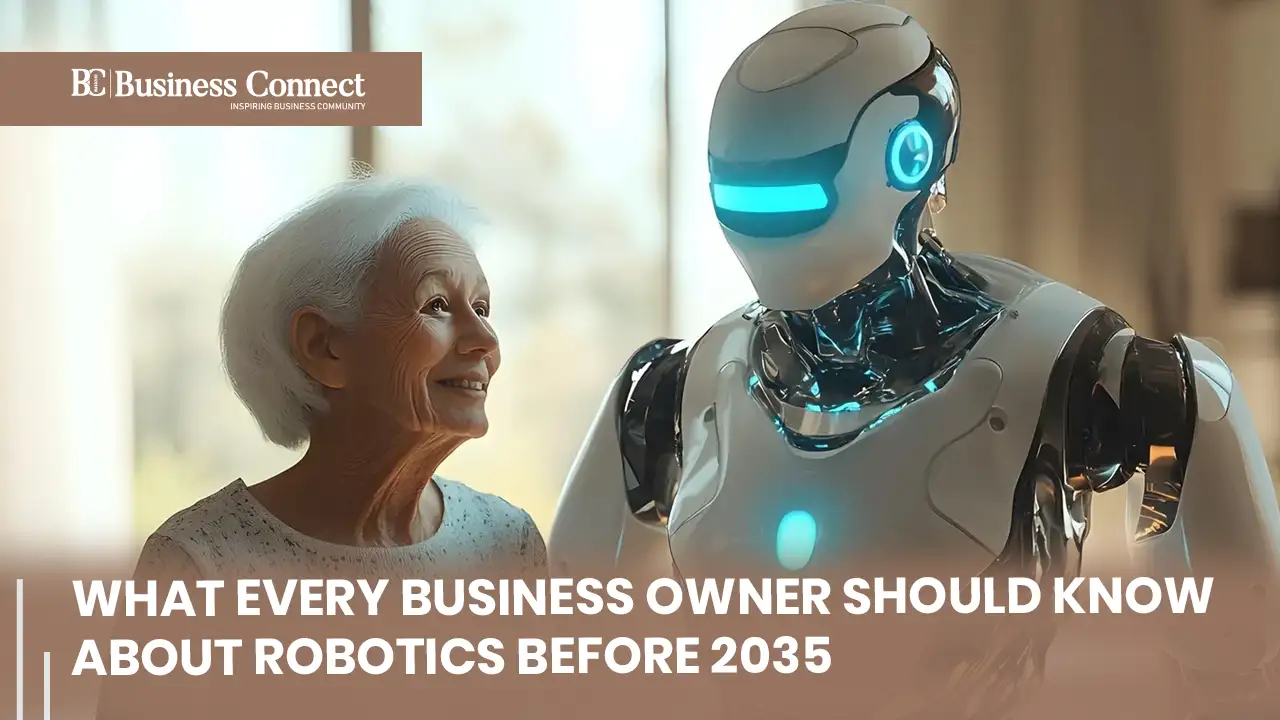
Like AI, robots are also becoming a big part of the business world. As of now, worldwide, 2.7 million industrial robots are in operation. With new innovations and advances, the cost of using these machines is coming down, eventually increasing their use. One of the latest concepts in robotics is RaaS (robots as a service), which is enabling SMBs to harness the productivity boosts robots can offer.
With the integration of new sensor tech and AI in robotics, modern companies are witnessing a great rise in terms of productivity and earnings. Let’s take a look at robotics in the present era, its significance, and how it is opening doors for new efficiency and ROI.
What are Robotics?
In simple words, Robotics is the science and engineering of designing, building, and using machines. It senses the environment, processes information, and takes action accordingly. These functional machines work automatically or semi-autonomously and enhance accuracy and efficiency.
Evolution in Robotics From the Beginning
During the 1960s, robotics came into existence. First time, industrial robots like Unimate were used to do repetitive manufacturing tasks. Over decades, the robotics technology advanced and evolved from basic automation to intelligent, AI-powered machines that can make decisions and perceive. Many new innovations have been introduced, like sensors, computer vision, and autonomous navigation systems.
Presently, robots are smart enough to recognise objects, analyse data, and interact naturally with humans. According to the reports, the global robotics market is expected to reach $200 billion by 2030 because of increasing demand in industries like manufacturing, healthcare, and logistics.
5 Key Trends Redefining Robotics before 2035
The future of robotics is being reshaped with the integration of AI. From autonomous vehicles to intelligent assistants, robots are at the core of the future industrial revolution.
In the upcoming years, we will experience how robots will transform the world, sectors like manufacturing, healthcare, education, and defence. Several trends are emerging that will shape how robotics technology integrates with daily life, industry, and society.
1. Blend Robotics, AI, and Cloud Technologies: The convergence of robotics, artificial intelligence, and cloud computing is one of the major drivers for next-generation robotics. This convergence enables robots to operate with better autonomy, process a huge amount of data, and learn from a global network.
2. Rise of Cognitive and Conversational Humanoid Robots: The cognitive and conversational humanoid robots take human-machine interaction to the next level. The next-generation robotics platforms can not understand natural language, recognise emotions, or engage in meaningful dialogue.
3. Digital Twins and the Industrial Metaverse: These two innovations are making major changes in the way robotics systems are designed, tested, and maintained. High-fidelity simulation environments allow for real-time collaboration, predictive maintenance, and rapid prototyping at scale.
4. Cybersecurity, Data Privacy, and Compliance: The next-generation robotics systems will be able to handle sensitive data and interact with critical infrastructure. With the proliferation of connected robots, cybersecurity and regulatory compliance.
5. Workforce Upskilling and New Educational Pathways: The ongoing evolution in robotics is transforming job roles and skills requirements across industries. There is a growing need for workforce upskilling, focusing on robotics programming, AI integration, and system maintenance. Hence, educational institutions are making changes to their new programmes in robotics engineering and automation.
6. Sustainability and the Circular Economy: Sustainability is at the centre of the upcoming robotics innovation. Here, the key focus is on prioritising energy-efficient robots, modular systems for easy upgrades, and the use of eco-friendly materials. Circular economy models are being adopted to reduce waste and extend the lifecycle of robotics platforms.
These are a few upcoming evolutions in robotics that every business owner is helping industries meet environmental goals while maintaining high productivity and operational efficiency.
What This Means for Your Business
Overall, the future will be defined by intelligent robotics. Robots are reshaping everything from warehouse productivity to supply chain operations. If you are set to see how robotics can make your operations more efficient, scalable, and future-proof, this is the perfect time to explore what’s possible. In the above sections, we have already discussed the upcoming technologies and changes in robotics.