
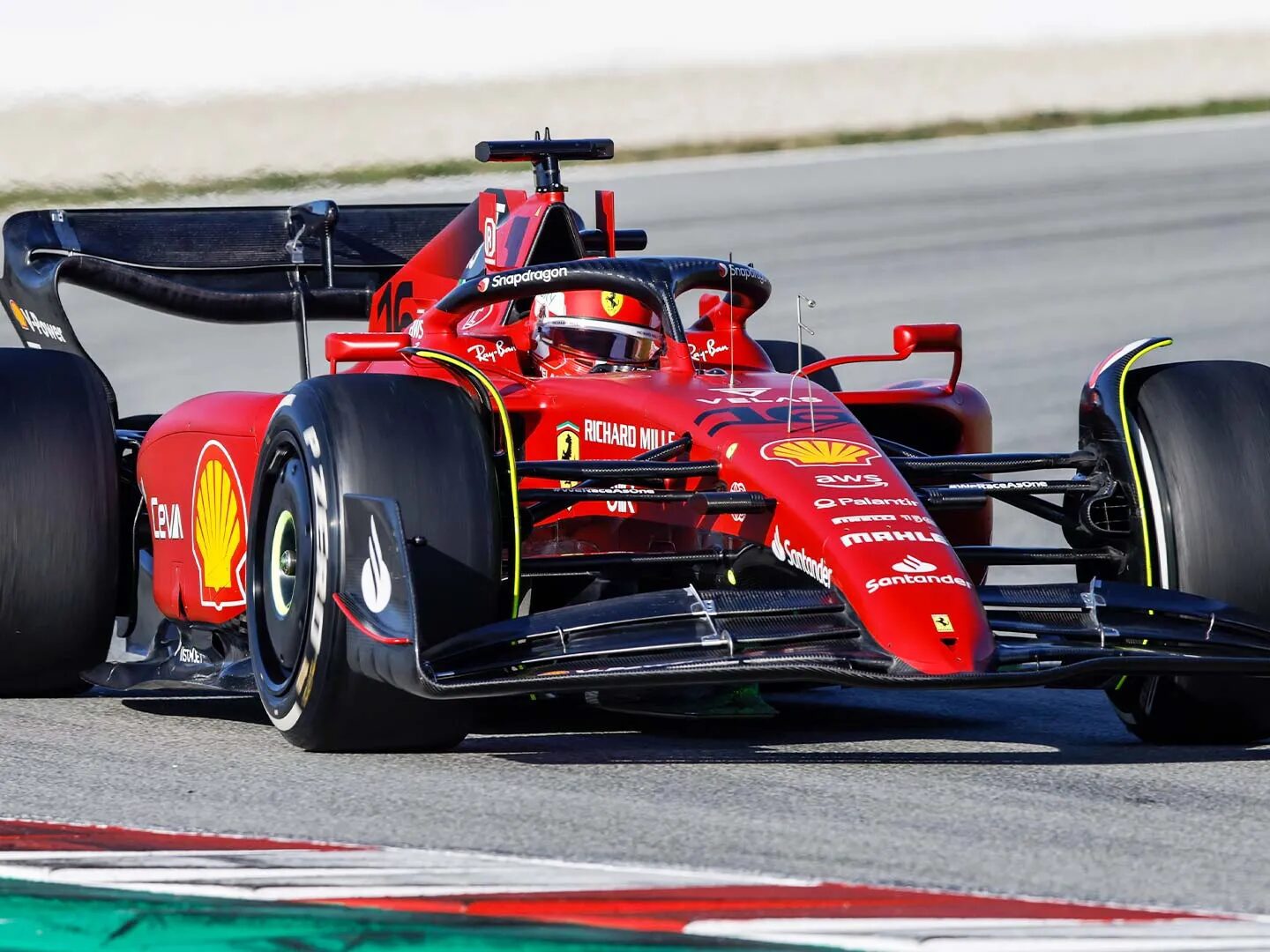
Formula 1 is often sold as the pinnacle of speed, technology, and sporting excellence. What is discussed less frequently is the price attached to every step of the journey. Behind every podium celebration sits a trail of invoices, sacrifices, failed careers, and enormous financial risk.
Even as Formula 1 enjoys record popularity and attracts new audiences through platforms, sponsors, and betting brands such as RajBet casino website, the reality remains unchanged: reaching the top level of motorsport is one of the most expensive ambitions in professional sport. The dream is glamorous. The bill rarely is.
The First Invoice Arrives Long Before Formula 1
Most Formula 1 stories begin with a child in a kart. What follows is often a decade-long financial commitment that would make many small businesses uncomfortable.
While football players can emerge from local academies, aspiring racing drivers require equipment, mechanics, travel budgets, spare parts, and constant competition from an early age.
Lewis Hamilton frequently speaks about the sacrifices his father made to support his career. Anthony Hamilton worked multiple jobs and even remortgaged the family home to keep his son racing.
Hamilton recently warned that modern karting costs have become so extreme that talented children from ordinary families may never get the opportunity he had. Some young competitors are reportedly spending over $1 million annually in top-level karting programs.
The ladder to Formula 1 resembles less of a staircase and more of a toll road where every gate demands another payment.
Typical Financial Pressures on Future F1 Drivers:
- Competitive karting programs often require substantial budgets covering equipment, race entries, travel, and technical support.
- Engine rebuilds and replacement parts become recurring expenses throughout a season.
- Private testing sessions help drivers improve but dramatically increase annual costs.
- International travel schedules become necessary once drivers enter major championships.
- Professional coaching services include physical trainers, driving coaches, and mental-performance specialists.
- Formula 4 participation introduces significantly larger budgets than karting while offering no guarantee of advancement.
- Formula 3 and Formula 2 campaigns can cost millions of dollars across multiple seasons.
- Sponsorship acquisition efforts often become a full-time job for drivers and their families.
- Lost opportunities carry a hidden cost because one poor season can end a career regardless of talent.
The brutal reality is that many future Formula 1 drivers disappear from the system not because they lack speed, but because they run out of funding. Motorsport remains one of the few elite sports where financial backing often determines whether talent gets the chance to prove itself.
The Team’s Bill Is Even Bigger
When fans watch a two-hour Grand Prix, they are witnessing the output of thousands of people and hundreds of millions of dollars. Modern Formula 1 teams resemble aerospace companies more than traditional sports organizations.
The introduction of the budget cap has improved financial sustainability, but the numbers remain extraordinary. Formula 1’s team spending regulations now operate under a cost-cap system exceeding $200 million, while several major expenses remain outside that limit.
A useful example comes from the transformation of teams such as McLaren. During difficult competitive periods, massive investments in infrastructure, technology, personnel, and development were still required before performance improvements appeared on track. Success in Formula 1 is rarely purchased instantly; it is financed gradually and expensively.
Where Formula 1 Teams Spend Their Money
| Area | Why It Matters |
| Aerodynamic development | Small gains can translate into tenths of a second per lap |
| Wind tunnel programs | Critical for validating new concepts before race weekends |
| CFD simulations | Allow teams to test thousands of virtual designs |
| Manufacturing facilities | Produce constant streams of upgraded components |
| Engineering salaries | Elite technical talent is highly competitive and expensive |
| Race operations | Every event requires large traveling teams and equipment |
| Spare parts production | Crashes can destroy weeks of development instantly |
| Simulator programs | Continuous driver preparation and data gathering |
| Research projects | Teams constantly search for future performance gains |
Even with spending controls, the competitive pressure never disappears. If one team discovers a breakthrough worth two-tenths of a second per lap, every rival immediately starts spending resources trying to find an answer.
The financial arms race may be slower than it was a decade ago, but it remains an arms race.
Hidden Costs Fans Rarely Notice:
- Failed upgrades can consume millions without improving performance.
- Crash damage may erase entire development budgets from a single weekend.
- Staff recruitment battles often resemble transfer wars in football.
- Regulation changes can make years of research suddenly obsolete.
- Simulator investments require constant software and hardware upgrades.
- Factory expansion projects can take years before generating competitive benefits.
- Supply-chain disruptions affect manufacturing timelines and budgets.
- Power-unit development partnerships involve enormous technical commitments.
- Long championship calendars increase operational complexity across multiple continents.
The irony is that Formula 1 teams spend fortunes trying to save fractions of a second. In almost no other business can millions of dollars be invested simply to arrive 0.15 seconds earlier.
Glory Comes With Personal Costs Too
Money is only part of the story. Formula 1 extracts something equally valuable: time, stability, and sometimes entire lifestyles.
Drivers spend most of the year traveling. Engineers regularly work intense schedules. Team principals live under relentless scrutiny. Even world champions often describe Formula 1 as mentally exhausting despite the rewards.
Consider the career of Max Verstappen. His success is extraordinary, but it emerged from years of intense preparation, constant racing, and enormous expectations from a young age.
Similar stories can be found across the grid. Behind every successful driver stands a network of family members, coaches, sponsors, and team personnel who have invested years into the project.
Personal Sacrifices Required at the Highest Level
| Sacrifice | Long-Term Effect |
| Constant global travel across 24 race weekends | Limited time with family and increased physical fatigue |
| Year-round physical training and simulator work | Little off-season recovery compared to most sports |
| Extensive media, sponsor, and PR commitments | Continuous public scrutiny beyond race performance |
| Pressure to deliver results every weekend | Increased mental stress and burnout risk |
| High-speed racing injury risk | Potential loss of race opportunities or career interruptions |
| Commercial obligations to sponsors and partners | Significant time spent away from sporting preparation |
| Relocation to motorsport hubs such as Monaco or the UK | Reduced personal stability and distance from family networks |
| Uncertainty over contracts and team changes | Career security can disappear within a single season |
| Multi-year development projects with no guarantee of success | Years of effort may not result in wins or championships |
Formula 1 careers often appear glamorous because audiences see the destination rather than the journey. The private jets, luxury hotels, and championship celebrations are visible. The years of uncertainty usually are not.
A young driver may spend fifteen years chasing Formula 1 and never receive a race seat. An engineer may dedicate thousands of hours to a car concept that fails. A sponsor may invest millions without achieving the exposure it expected.
Risks That Never Fully Disappear:
- Talented drivers can be overlooked due to funding gaps.
- Junior careers may end despite strong results.
- Major regulation changes can alter competitive order overnight.
- Injuries remain a factor despite modern safety improvements.
- Teams can make strategic mistakes that affect entire seasons.
- Sponsors may withdraw during economic downturns.
- Technological advantages rarely last forever.
- Public expectations rise faster than most careers can sustain.
- Championship opportunities can disappear within a single season.
This uncertainty is partly why Formula 1 remains fascinating. Every participant understands that success is never guaranteed, regardless of investment.
Conclusion
Formula 1 is often described as the world’s most advanced racing series, but it could just as accurately be described as the world’s most expensive sporting pursuit. Drivers invest their youth, families invest their savings, and teams invest hundreds of millions chasing marginal gains.
The trophies are real, the glory is undeniable, but so is the cost. That combination of risk and reward remains one of the reasons Formula 1 continues to captivate fans around the world.