
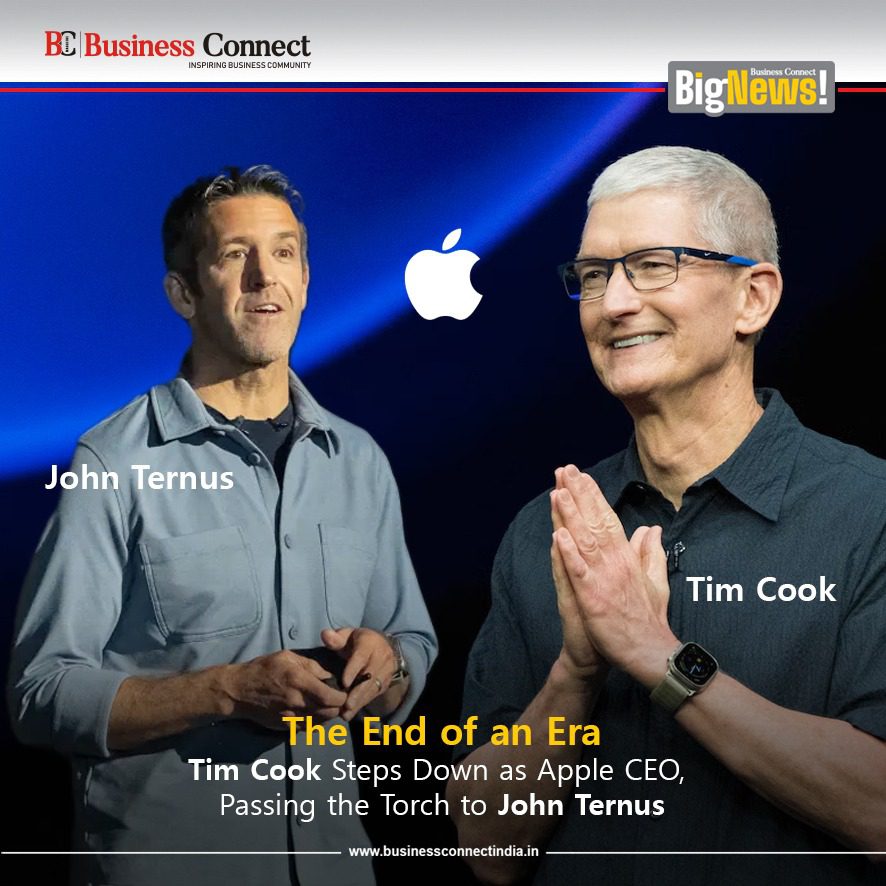
It’s the kind of news that feels like the closing of a major chapter in Silicon Valley history. After nearly 15 years at the helm, Tim Cook—the man who took the reins from Steve Jobs and steered Apple into a $4 trillion juggernaut—has announced he is stepping down as CEO.
The transition, which officially kicks in on September 1, 2026, isn’t a total goodbye. Cook will be moving into the role of executive chairman, where he’ll focus on broader strategic initiatives and global policy work. In his place, Apple is promoting from within, tapping John Ternus, the current Senior Vice President of Hardware Engineering, to take over the corner office.
The Architect of Modern Apple
When Tim Cook took over in August 2011, there was a palpable sense of uncertainty. Could anyone really follow Steve Jobs? As it turned out, Cook didn’t need to be Steve Jobs; he had to be himself.Under his watch, the company didn’t just grow—it exploded. Apple’s market cap soared from roughly $350 billion to a staggering $4 trillion. He turned the company’s services division into a powerhouse, making it a $100 billion+ business, and mastered the art of supply chain management to keep the world’s most coveted gadgets in constant production.
From the ubiquity of AirPods and the Apple Watch to the quiet revolution of the silicon-powered Mac, Cook’s legacy is defined by massive scale, incredible profitability, and making Apple’s ecosystem an essential part of daily life for billions of people.
Enter the Engineer
John TernusIf you’re wondering who John Ternus is, you’ve likely been using his work for years. A 25-year Apple veteran, Ternus is a “product guy” through and through. As the lead for Hardware Engineering, he’s been the invisible hand behind the design and functionality of the iPhone, iPad, Mac, and AirPods.He’s widely seen as the right choice to keep the trains running on time, but his appointment also signals a shift in focus. With Apple facing intense pressure to sharpen its AI capabilities and compete in an increasingly crowded tech landscape, Ternus’s engineering background suggests that Apple is ready to double down on product innovation and hardware-integrated AI.
What’s Next?
The move is being hailed as the culmination of a long-term, carefully orchestrated succession plan. With Arthur Levinson stepping into the role of lead independent director and Ternus joining the board, the company seems focused on stability during this transition.For the average user, the question is simple: What does this mean for the next iPhone or the future of Siri? As Apple continues to evolve, the shift to a new generation of leadership marks a pivotal moment for the tech giant. They aren’t just selling hardware anymore; they are trying to redefine their role in the AI age.
One thing is for sure—the “Cook era” has set an incredibly high bar. Whether you love the ecosystem or critique it, there is no denying that the landscape of the tech world looks entirely different today than it did when he first walked into the CEO’s office in 2011.