
What Is CT Angiography and When Is It Recommended?
Heart disease often develops quietly. For some people, the first warning sign might be occasional chest discomfort during a walk. Others may notice shortness of breath that wasn’t there a few months ago. Sometimes, there are no symptoms at all, and concerns arise only after a routine health check-up.
When doctors suspect a problem involving the blood vessels, they need a way to look beyond symptoms and understand what’s actually happening inside the body. That’s where CT angiography comes in.
Over the years, this imaging test has become an important tool for evaluating blood vessels and detecting potential blockages before they lead to more serious complications. While the name may sound intimidating, the procedure itself is relatively straightforward and is commonly used in modern cardiac care.
Understanding CT Angiography
CT angiography, often called CT Angio, is a specialized imaging test that allows doctors to obtain detailed pictures of blood vessels.
The scan combines computed tomography (CT) technology with a contrast dye that helps highlight arteries and veins on the images. Once the dye circulates through the bloodstream, the scanner captures highly detailed images that can reveal narrowing, blockages, or other abnormalities.
One reason CT Angio has become so widely used is that it provides valuable information without requiring a surgical procedure.
Doctors frequently use it to evaluate blood flow and assess the condition of blood vessels in various parts of the body, particularly the heart.
In many situations, CT angiography helps answer an important question: Is blood reaching the organs and tissues the way it should?
How the Procedure Works
Many patients feel nervous before undergoing any medical scan, largely because they don’t know what to expect. The actual process is usually quicker than most people imagine.
Before the scan begins, a contrast dye is administered through a vein, typically in the arm. This dye travels through the bloodstream and makes blood vessels easier to visualize.
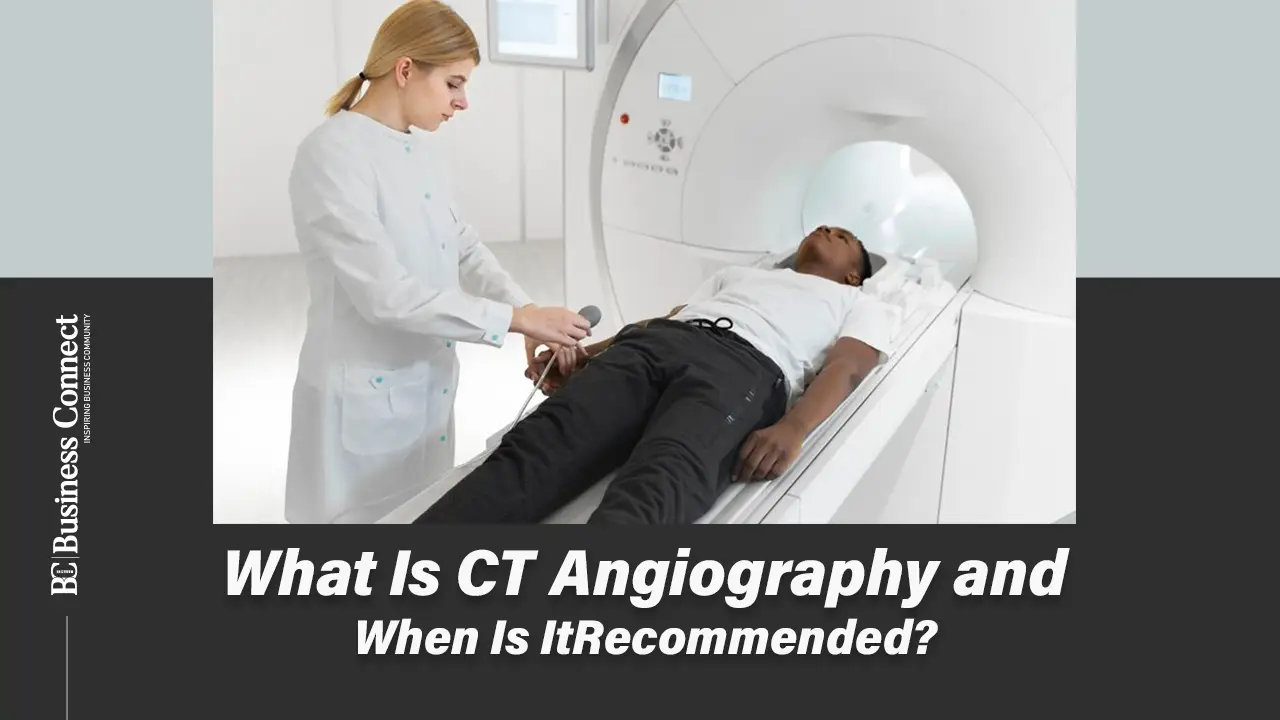
During the scan, the patient lies on a motorized table that moves through a circular CT scanner. The machine captures multiple images from different angles, which are then combined to create detailed views of the blood vessels. The scan itself often takes only a few minutes, although preparation and monitoring may extend the appointment.
Some individuals notice a temporary warm sensation when the contrast dye is injected. This feeling usually passes quickly and is considered normal. Most patients are able to return home shortly after the procedure.
Conditions That CT Angio Can Help Diagnose
CT angiography is used to investigate a variety of vascular conditions.
One of its most common applications is identifying narrowing or blockages within the coronary arteries that supply blood to the heart.
However, its usefulness extends beyond heart disease.
CT Angio may help detect:
- Coronary artery disease
- Arterial narrowing
- Blood vessel abnormalities
- Aneurysms
- Peripheral artery disease
- Certain congenital vascular conditions
- Blood flow problems affecting different organs
The test can also help doctors better understand symptoms that don’t yet have a clear explanation.
For example, a patient experiencing chest pain may have normal results on initial investigations. CT Angio can sometimes provide additional clarity by offering a detailed view of the arteries themselves.
When Doctors Recommend CT Angiography
A CT Angio is not typically performed as a routine screening test for everyone.
Instead, doctors recommend it when there is a specific reason to examine the blood vessels more closely.
Situations where the test may be considered include:
- Unexplained chest pain
- Shortness of breath during physical activity
- Abnormal stress test results
- Strong family history of heart disease
- Multiple cardiovascular risk factors
- Suspicion of coronary artery disease
- Evaluation of known vascular conditions
The decision depends on the individual’s symptoms, medical history, and overall risk profile.
Sometimes the goal is to identify disease. In other cases, it’s to rule out significant blockages and provide reassurance.
Either way, the information gained from the scan often helps guide future treatment decisions.
Benefits and Limitations of the Test
Like any diagnostic tool, CT angiography has both strengths and limitations.
One of its biggest advantages is the ability to visualize blood vessels in remarkable detail without requiring an invasive procedure. It can provide valuable information quickly and may help avoid unnecessary interventions in certain situations.
Other benefits include:
- Detailed imaging of blood vessels
- Relatively quick procedure
- Non-surgical approach
- Early detection of arterial disease
- Helpful treatment planning
However, CT Angio isn’t perfect.
The test involves exposure to a small amount of radiation and requires the use of contrast dye. Certain patients, particularly those with significant kidney problems or contrast allergies, may require additional precautions.
It’s also important to remember that the scan is a diagnostic tool rather than a treatment.
Its purpose is to help doctors understand what’s happening inside the body so they can recommend the most appropriate next steps.
Preparing for a CT Angio Scan
Preparation instructions can vary slightly depending on the medical facility and the reason for the test.
Patients are often advised to avoid food for several hours before the scan and may be asked to limit caffeine intake beforehand, especially for cardiac CT angiography.
It’s important to inform the healthcare team about:
- Current medications
- Previous reactions to contrast dye
- Kidney disease
- Diabetes
- Pregnancy
- Existing medical conditions
Wearing comfortable clothing and arriving a little early can also help make the process smoother.
Most importantly, don’t hesitate to ask questions. Understanding what will happen during the scan often reduces anxiety and helps patients feel more prepared.
Conclusion
CT angiography has become an important tool in modern cardiovascular and vascular medicine. By providing detailed images of blood vessels, it helps doctors identify narrowing, blockages, and other abnormalities that may not be visible through routine examinations alone.
For individuals experiencing symptoms such as chest pain, shortness of breath, or those with significant risk factors for heart disease, the test can provide valuable insights that support timely diagnosis and treatment planning.
If significant arterial blockage is detected, further evaluation at the best angioplasty hospital in Bangalore may be recommended. Guidance from an experienced ct angioplasty surgeon in Bangalore can help determine whether medical management, lifestyle modifications, or additional procedures are the most appropriate next steps.