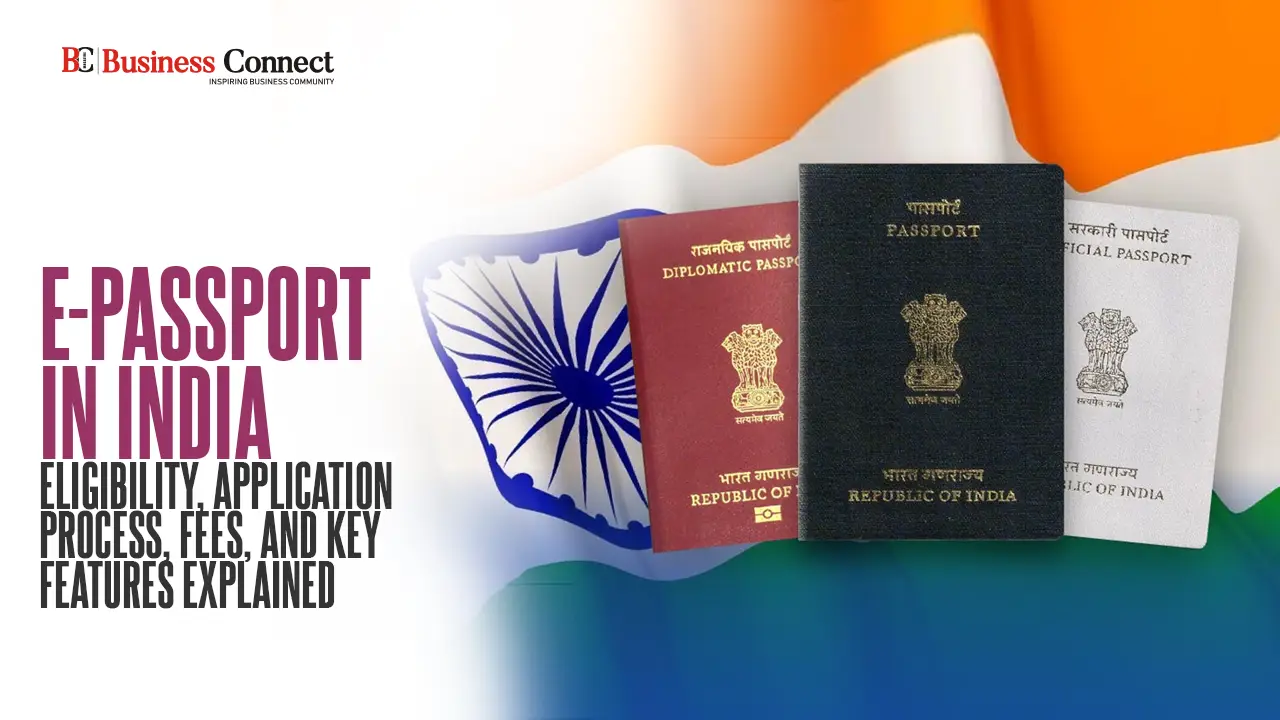
India Launches e-Passport: A New Era in Secure and Seamless Travel
The Government of India has officially launched e-Passports, marking a major modernization of the country’s air travel documentation system. These advanced passports are designed to enhance security, speed up immigration checks, and align India with global travel standards, making international travel smoother and more efficient. Beyond these practical benefits, e-Passports represent a technological leap in how Indians will travel abroad in the coming years.
What Is an e-Passport?
An e-Passport looks much like a traditional Indian passport but comes with an embedded electronic chip in its back cover. This chip securely stores the passport holder’s personal and biometric information, including fingerprints, facial recognition data, and digital signatures, providing a higher level of security than conventional passports.
Benefits of e-Passports
e-Passports offer several key advantages:
-
Enhanced Security: The embedded chip reduces the risk of identity theft, forgery, or duplication, making international travel safer.
-
Faster Immigration Checks: Automated systems at airports can read the chip, allowing quicker clearance at immigration counters.
-
Global Acceptance: The e-Passport meets international standards, making it easier for Indian citizens to travel abroad.
-
Future-Ready Travel: As the rollout continues, e-Passports will pave the way for a more seamless and tech-driven travel experience.
Travelers should check whether their nearest Passport Seva Kendra (PSK) or Post Office Passport Seva Kendra (POPSK) offers e-Passport services as availability is gradually expanding nationwide.
Who Can Apply?
Any Indian citizen eligible for a regular passport can now apply for an e-Passport. Initially, the service is available at select PSKs and POPSKs, but the government plans to expand access across India in the coming months. Applicants should confirm with their local passport office before applying.
How to Apply for an e-Passport
The application process is similar to that of a traditional passport:
-
Register online on the official Passport Seva portal.
-
Fill out the application form and pay the applicable fee.
-
Schedule an appointment at a PSK or POPSK.
-
During your appointment, biometric data including fingerprints and photographs will be captured.
-
Once processed, your e-Passport, embedded with the secure chip, will be sent to your registered address.
The introduction of e-Passports is a transformative step toward a smarter, more secure travel ecosystem in India. By combining technology with convenience, it promises to make global travel safer, faster, and more accessible for Indian citizens in the digital age.
FAQ
1. What is an e-Passport?
An e-Passport is similar to a traditional Indian passport but comes with an embedded electronic chip in its back cover. The chip securely stores the passport holder’s personal and biometric information, including fingerprints, facial recognition data, and digital signatures, offering enhanced security compared to regular passports.
2. What are the benefits of an e-Passport?
e-Passports offer several advantages:
-
Enhanced Security: Reduces the risk of identity theft, forgery, or duplication.
-
Faster Immigration Checks: Automated airport systems can quickly read the embedded chip.
-
Global Acceptance: Meets international standards, making travel abroad easier.
-
Future-Ready Travel: Paves the way for a more seamless, tech-driven travel experience.
3. Who can apply for an e-Passport?
Any Indian citizen eligible for a regular passport can apply for an e-Passport. Currently, the service is available at select Passport Seva Kendras (PSKs) and Post Office Passport Seva Kendras (POPSKs). The government plans to expand access across India gradually.
4. How can I apply for an e-Passport?
The application process is the same as for a regular passport:
-
Register online on the official Passport Seva portal.
-
Fill out the application form and pay the applicable fee.
-
Schedule an appointment at a PSK or POPSK.
-
During your appointment, biometric data including fingerprints and photographs will be collected.
-
Once processed, your e-Passport with the embedded chip will be delivered to your registered address.
5. How can I know if my nearest passport office issues e-Passports?
Applicants should check with their local PSK or POPSK to confirm whether e-Passports are available, as rollout is being done gradually.
6. Why is India introducing e-Passports?
The e-Passport represents a technological shift in travel documentation. It enhances security, speeds up immigration, aligns India with global standards, and makes international travel safer and more efficient for Indian citizens.
7. Can I renew my existing passport as an e-Passport?
Yes, citizens applying for passport renewal can opt for an e-Passport if the facility is available at their PSK or POPSK.
8. Is my e-Passport secure from digital threats?
Yes, the embedded chip uses encrypted digital signatures to prevent forgery or duplication. This makes international travel safer compared to traditional passports.
9. Why is India moving to e-Passports now?
The e-Passport initiative is part of India’s push toward a smarter, more secure, and globally aligned travel ecosystem. It ensures faster immigration, reduces fraud, and enhances India’s standing in global travel standards.
10. How long will it take to get an e-Passport?
Processing times are generally similar to regular passports, but may vary depending on the PSK/POPSK and workload. Applicants can track status online via the Passport Seva portal.
12. Why is India introducing e-Passports now?
The move is part of a larger initiative to create a secure, digital-first, and globally recognized passport system. It ensures:
-
Faster immigration processing
-
Reduced fraud and identity theft
-
Compliance with international travel standards
-
A modernized, tech-driven travel experience for Indians
13. Can e-Passports be issued in emergencies?
Yes. In urgent cases like medical emergencies or government travel, Tatkal e-Passport services may be available, following the same application process but with expedited processing.
14. What should I do if my e-Passport is lost or damaged?
In case of loss or damage, apply for a reissue at your nearest PSK/POPSK and report it immediately. Biometric data will be used to issue a secure replacement.
15. Are there any special security features in the e-Passport?
Yes. e-Passports include:
-
Embedded RFID chip for biometric data
-
Encrypted digital signature for identity verification
-
Tamper-proof materials to prevent forgery
-
Compliance with ICAO standards for global acceptance