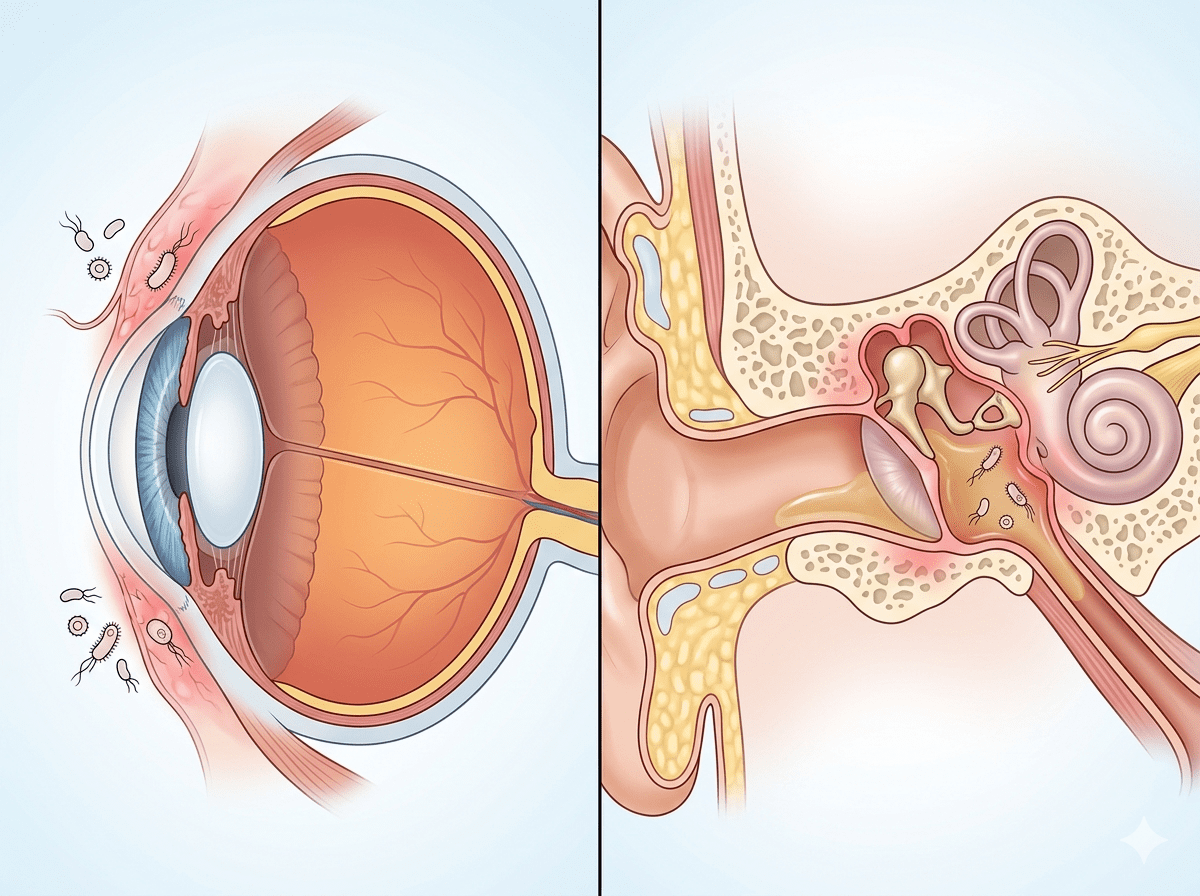
Manage bacterial eye and ear infections and relieve pain, redness, and discharge with antibiotic drops like Ceflox Dee and Ciplox D Eye/Ear Drops. Combine this with proper hygiene, correct usage of medication, and simple home care practices.
Bacterial infections of the eyes and ears are more common than many people realise and can cause significant discomfort if not treated properly. These infections often occur due to poor hygiene, exposure to contaminated water, or underlying health conditions. While some infections may be mild, others can worsen if ignored.
Recognising the early signs and starting the right treatment can help relieve symptoms quickly and prevent complications. Here, we will discuss how bacterial eye and ear infections occur, treatment options like Ceflox Dee and Ciplox D Eye/Ear Drops, and simple ways to manage and prevent these infections.
Understanding Bacterial Eye and Ear Infections
Bacterial infections develop when harmful bacteria enter delicate areas such as the eyes or ears, causing inflammation, discomfort, swelling, redness, and sometimes discharge. These infections may occur when hygiene is poor, after exposure to contaminated surfaces, or when the body’s natural defence mechanisms are weakened.
In the eyes, bacterial infections commonly include conditions such as conjunctivitis, styes, and keratitis. These conditions can affect the outer surface of the eye, eyelids, or cornea.
In the ears, bacterial infections such as otitis externa and otitis media are frequently seen. Otitis externa affects the outer ear canal and is often linked to moisture trapped in the ear, while otitis media involves the middle ear and is especially common in children due to their shorter eustachian tubes.
These infections can spread easily through direct contact, shared personal items, contaminated water, or poor hand hygiene, making early care and cleanliness important to prevent complications and recurrence.
Symptoms of Bacterial Infections
Recognising the symptoms of bacterial eye and ear infections at an early stage is important because prompt treatment can help reduce discomfort, speed up recovery, and prevent the infection from spreading or becoming more severe. Symptoms may vary depending on whether the infection affects the eyes or ears, but certain warning signs should not be ignored.
Common symptoms of bacterial eye infection include:
- Redness in one or both eyes
- Itching, irritation, or a burning sensation
- Yellow or green discharge from the eyes
- Crusting of the eyelids, especially after waking up
- Excessive watering or sticky eyes
- Sensitivity to light
- Blurred vision or discomfort while blinking
Common symptoms of bacterial ear infection include:
- Ear pain, soreness, or pressure
- Fluid or pus-like discharge from the ear
- A blocked sensation or reduced hearing
- Itching inside the ear canal
- Swelling or tenderness around the ear
- Fever, particularly in children
- Irritability or disturbed sleep in young children
Using Antibiotic Drops
Ceflox Dee and Ciplox D Eye/Ear Drops are commonly prescribed for bacterial infections affecting the eyes or ears. These medicines usually contain an antibiotic to stop bacterial growth along with an anti-inflammatory component that helps reduce redness, swelling, irritation, and discomfort. They are often recommended for conditions such as bacterial eye infections, external ear infections, and inflammation associated with infection. Because these areas are sensitive, correct use is important for effective recovery and to prevent recurrence.
1. Consult Your Doctor Before Use
It is important to use Ceflox Dee and Ciplox D Eye/Ear Drops only after medical advice. A doctor can confirm whether the infection is bacterial and determine which drops are suitable for the affected eye or ear. They will also advise on the correct dosage, frequency, and duration of treatment based on age, infection severity, and symptoms. This helps ensure safe and effective use.
2. Administering the Drops Correctly
If your doctor has prescribed Ceflox Dee and Ciplox D Eye/Ear Drops, follow the instructions carefully. Wash your hands before use and avoid touching the dropper tip to prevent contamination.
- For eye infection: Tilt the head back, gently pull down the lower eyelid, and place the prescribed number of drops into the affected eye. Keep the eye closed for a few seconds after application.
- For ear infection: Tilt the head sideways, place the drops into the affected ear, and remain in that position for a few minutes so the medicine reaches the ear canal properly.
Use the drops at the same time each day for consistent effect.
3. Monitor Improvement
Observe symptoms after starting treatment. Reduced redness, discharge, swelling, pain, or irritation usually indicates improvement. Complete the full prescribed course even if symptoms improve early, as stopping too soon may allow the infection to return. If symptoms persist or worsen, consult your doctor promptly.
Other Measures to Manage Infections
In addition to using prescribed eye or ear drops, the following care measures can help improve comfort and support healing:
1. Maintain Proper Hygiene
Keep the affected eye or ear clean and dry. Avoid touching, rubbing, or scratching the infected area, as this may spread infection.
2. Avoid Sharing Personal Items
Do not share towels, pillows, earbuds, handkerchiefs, or eye cosmetics, as bacterial infections can spread easily through contaminated items.
3. Protect the Affected Area
- For eye infections, avoid contact lenses and eye makeup until recovery.
- For ear infections, keep water out of the ear while bathing or washing hair.
4. Follow Medication Timing Carefully
Use the drops exactly as prescribed and do not skip doses, as irregular use may reduce effectiveness.
When to Seek Professional Help?
Although many infections can be managed with proper care, certain symptoms require medical attention. If symptoms do not improve within a few days, or if you experience severe pain, sudden vision changes, or high fever, consult a doctor immediately.
You should also seek medical help if swelling spreads around the eye or ear, or if hearing becomes significantly affected. Early intervention helps prevent complications and ensures proper recovery.
Conclusion
Bacterial eye and ear infections can be uncomfortable, but with early recognition and appropriate treatment, they can be managed effectively. Medications like Ceflox Dee and Ciplox D Eye/Ear Drops, when used correctly, help eliminate infection and relieve symptoms.
Combining treatment with good hygiene practices and simple home care measures can speed up recovery and reduce the risk of recurrence. If symptoms persist or worsen, consulting a healthcare professional is essential for proper diagnosis and care.