
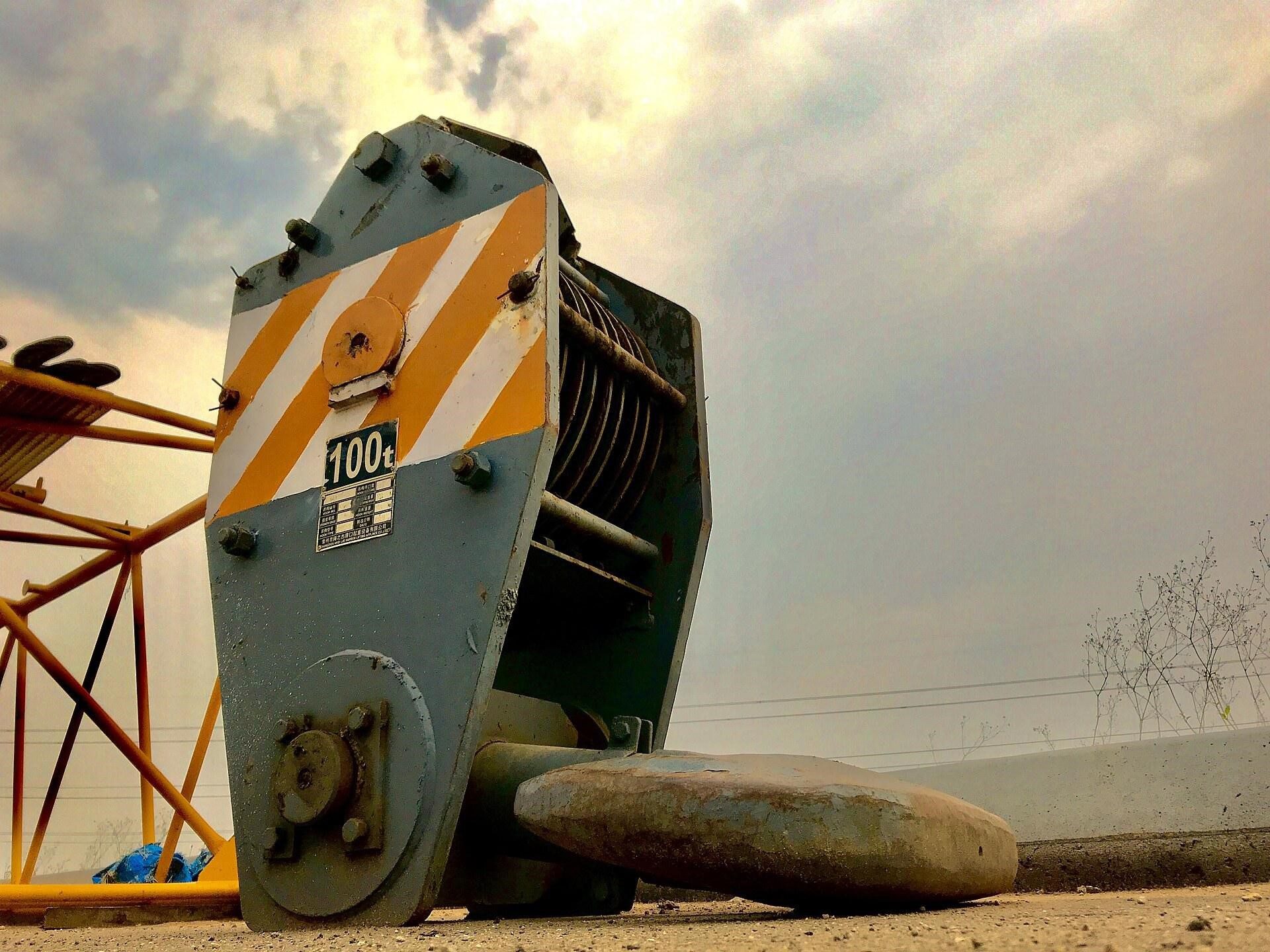
India is in the middle of one of the largest infrastructure build-outs in the world. Highways, metro rail, airports, ports, smart cities, affordable housing and industrial corridors are under construction across the country. All of these projects need equipment: excavators, cranes, loaders, concrete mixers, compactors, generators and access equipment.
Not every contractor can afford to buy this equipment. That gap has created a fast-growing construction equipment rental market, with significant opportunities for small and medium enterprises. This article looks at the drivers, challenges and steps for SMEs looking to build or grow a rental business in India.
Why Rental Is Growing in India
Infrastructure investment
Government spending on roads, railways, urban transport and housing has created sustained demand for construction equipment across regions.
Capital constraints for contractors
Many small and mid-sized contractors cannot justify buying expensive machines for project-based work. Renting allows them to bid on larger projects without heavy capital investment.
Project-based demand
Equipment needs change from one phase of a project to the next. Renting provides flexibility.
Technology and transparency
Digital platforms, GPS tracking and online booking are making rental more reliable and attractive.
Key Equipment Categories
- Earthmoving: excavators, backhoe loaders, bulldozers, motor graders
- Material handling: cranes, telehandlers, forklifts
- Concrete equipment: mixers, pumps, batching plants
- Road construction: pavers, rollers, compactors
- Power and lighting: generators, lighting towers
- Access equipment: scissor lifts, boom lifts, scaffolding
Opportunities for SMEs
Large rental companies and OEM dealers dominate some segments, but SMEs can compete effectively by:
- Focusing on specific regions where they understand local contractors and conditions
- Specialising in niches such as compact equipment, access platforms or concrete equipment
- Offering operators with machines, which many contractors prefer
- Providing fast response and maintenance support
- Building long-term relationships with regional contractors
Challenges to Plan For
Equipment security
Theft and misuse of equipment on remote sites is a real risk. Rental companies need clear policies, tracking and site security. This article on how security guards protect construction equipment highlights practical measures to reduce losses on construction sites.
Payment delays
Delayed payments from contractors can strain cash flow. Clear contracts, deposits and regular invoicing help.
Maintenance in tough conditions
Heat, dust and heavy use increase wear. Preventive maintenance is essential to avoid costly breakdowns.
Skilled operators
Finding trained, reliable operators can be difficult. Investing in training improves safety and customer satisfaction.
Fragmented market
Many small players compete on price. Differentiation through service and reliability is critical.
Government Support for Startups and SMEs
Entrepreneurs entering the rental space can benefit from government programmes. The Startup India initiative offers resources, recognition and access to schemes that can help new businesses with registration, funding and networking. MSME schemes may also support equipment financing.
Building a Strong Rental Operation
Fleet planning
Start with equipment that has steady demand in your region. Track utilisation and expand based on data.
Pricing
Set rates based on equipment cost, utilisation, maintenance, operator costs and local market conditions. Offer daily, weekly and monthly rates.
Contracts
Use clear rental agreements covering hire period, charges, operator responsibilities, damage, fuel and payment terms.
Maintenance
Schedule preventive maintenance and inspect equipment after every rental.
Technology
Digital tools help SMEs operate like larger companies. Construction machinery rental software can manage bookings, availability, contracts, invoicing and maintenance in one place, giving owners real-time visibility of their fleet across multiple sites. Solutions such as equipmentrentalsoftware.io are built with this in mind.
GPS and telematics add location tracking, usage monitoring and theft protection for high-value machines.
Financing Fleet Growth
Equipment is the largest investment in a rental business. Options include:
- Bank loans and NBFC equipment finance
- OEM financing schemes
- Leasing
- Buying quality used equipment
Match finance terms to expected equipment life and rental income.
Looking Ahead
India’s construction equipment rental market is expected to keep growing as infrastructure investment continues and contractors increasingly prefer flexible access over ownership. SMEs that combine regional knowledge, reliable service, good maintenance and digital tools will be well positioned to capture this growth.
Frequently Asked Questions
How should rental businesses handle late returns?
Set clear late fees in the agreement, send automatic reminders before the due date and follow up promptly when items are overdue. Making extensions easy to request online also reduces late returns, because customers can simply extend instead of keeping equipment without permission.
Is renting always cheaper than buying?
No. Renting is usually cheaper for equipment used occasionally, seasonally or for a single project. For equipment used almost every day over many years, buying often costs less overall. The best approach is to compare the total cost of each option over the expected period of use, including maintenance, insurance, storage and resale value.
Why do condition photos matter?
Photos taken at check-out and check-in show exactly what state the equipment was in. They protect customers from unfair charges and protect the rental company when genuine damage occurs. Time-stamped photos stored against each booking are far more reliable than handwritten notes.
Does rental help with sustainability?
Rental keeps equipment in use for longer and reduces the number of items that are bought, used briefly and stored or thrown away. Well-maintained rental fleets also allow customers to access newer, more efficient models without each business buying its own.
Conclusion
Construction equipment rental in India offers SMEs a significant opportunity driven by infrastructure growth and contractor demand for flexibility. Success requires careful fleet planning, strong contracts, preventive maintenance, attention to security and smart use of technology. Entrepreneurs who build these foundations can grow profitable rental businesses that support India’s development.
Add Business Connect magazine to your Google News feed