
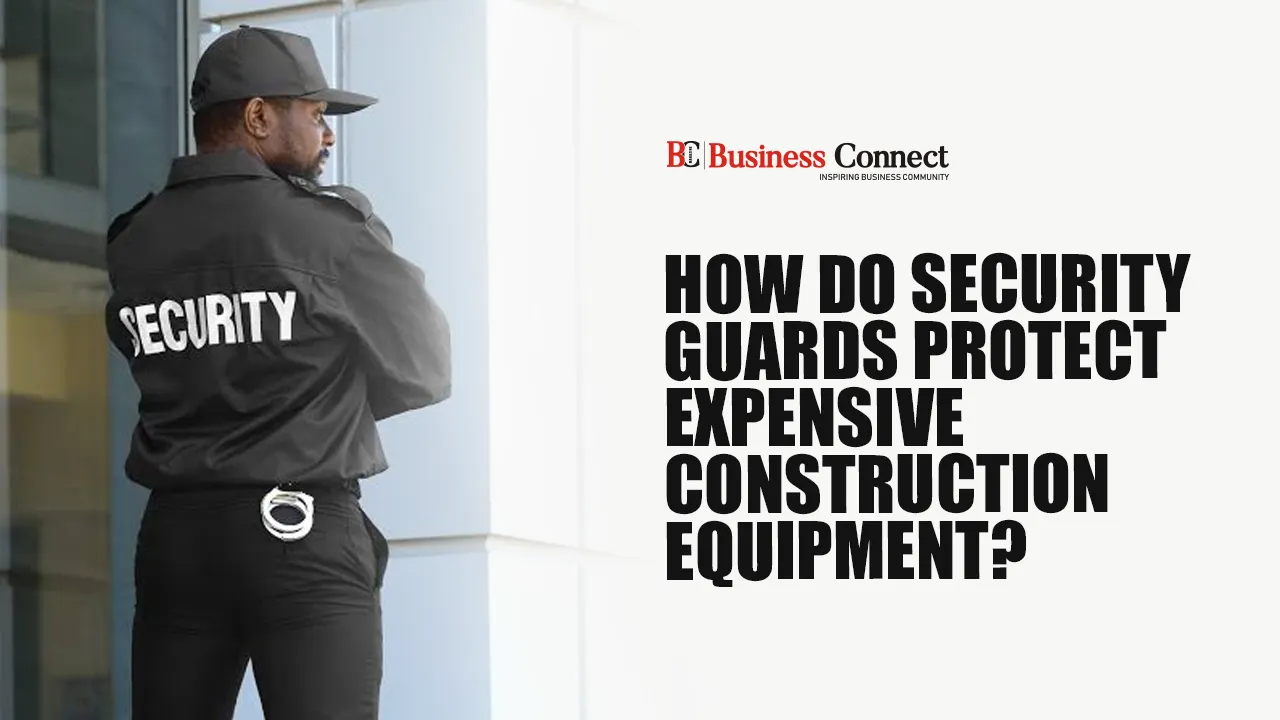
Construction equipment often remains on site overnight, making it vulnerable to theft, vandalism, and unauthorized use. Even a single missing machine can delay work and increase project costs.
Security guards help reduce these risks through constant monitoring, controlled access, and quick response to suspicious activity. Their presence also supports safer and more organized construction operations.
Why Construction Equipment Security Matters
Construction sites contain valuable machinery, tools, and materials that can attract criminals. Having a trained construction site security guard on location helps businesses reduce risk by monitoring activity, identifying potential threats, and protecting the site before incidents occur.
- Heavy machinery can cost thousands of dollars to replace.
- Equipment theft often delays project schedules.
- Insurance claims may not cover every financial loss.
- Unauthorized equipment use creates safety hazards.
- Construction sites remain vulnerable after working hours.
- Visible security guards discourage opportunistic theft.
- Better site security protects workers and contractors.
How Security Guards Prevent Equipment Theft
Construction security works best when several protective measures operate together. Guards combine observation, access control, reporting, and rapid response to reduce opportunities for theft.
1. Controlling Every Entry and Exit
Most equipment theft begins with someone entering the site unnoticed. Access control procedures make it much harder for unauthorized people to move freely around valuable machinery.
Guards verify visitors, contractors, and delivery drivers before allowing entry. Keeping accurate visitor records also creates accountability throughout the project.
2. Patrolling High Risk Equipment Areas
Expensive excavators, loaders, generators, and lifts require regular attention. Visible patrols remind potential thieves that someone is actively watching the site.
Rather than following predictable routes, experienced guards vary patrol patterns. This makes it difficult for criminals to identify opportunities or blind spots.
3. Monitoring Equipment During Off Hours
Most thefts happen after workers leave for the day. Night security coverage provides continuous supervision when equipment is most vulnerable.
Guards inspect storage areas, equipment yards, and temporary fencing throughout the night. Suspicious activity receives immediate attention before losses occur.
4. Reporting Suspicious Behaviour Quickly
Early reporting prevents many security incidents from becoming serious losses. Detailed incident reporting gives project managers accurate information for every unusual event.
Guards document vehicle registrations, unusual movements, damaged fencing, and attempted intrusions. These records also support insurance claims and police investigations when required.
5. Responding Before Problems Escalate
Construction sites change daily, creating new security risks. Rapid response procedures allow guards to react before small concerns become expensive incidents.
Professional guards contact supervisors, emergency services, or law enforcement whenever necessary. Fast decisions often prevent theft, vandalism, or equipment damage.
6. Supporting Surveillance Systems
Technology performs better when people actively manage it. Security cameras and patrols work together to strengthen site protection.
Guards monitor camera alerts, inspect areas where alarms activate, and verify whether unusual activity is genuine or a false alarm.
Additional Ways Security Guards Protect Construction Sites
Equipment security involves more than preventing theft. Daily security practices also improve safety, reduce liability, and support smoother project operations.
Preventing Unauthorized Equipment Operation
Construction machinery requires trained operators. Unauthorized equipment use can cause injuries, equipment damage, and legal liability.
Security guards stop unauthorized individuals from accessing machinery after working hours. This reduces unnecessary risks for everyone on site.
Protecting Fuel and Valuable Materials
Fuel tanks, copper wiring, and specialized materials frequently attract criminals. Material protection strategies help reduce losses that often go unnoticed until work begins.
Many companies strengthen protection through dedicated services from experts like First Choice Security Guard & Patrol Services that combine trained guards with structured patrol routines.
Watching Temporary Storage Areas
Portable tools disappear more often than large machines because they are easier to remove. Storage area inspections help identify security weaknesses before theft occurs.
Guards check locks, containers, lighting, and fencing throughout each shift. Small improvements often prevent significant financial losses.
Helping During Deliveries
Construction projects receive frequent deliveries throughout the day. Delivery verification ensures equipment reaches authorized personnel instead of the wrong hands.
Guards confirm supplier details, verify documentation, and direct deliveries to appropriate storage locations before recording arrivals.
Supporting Emergency Response
Emergencies require fast action and clear communication. Emergency preparedness allows guards to coordinate responses during fires, accidents, or severe weather.
They guide emergency responders, secure hazardous areas, and help maintain order until site management assumes control.
Maintaining Daily Security Records
Good documentation supports effective security management. Accurate security logs help identify recurring issues and improve future protection strategies.
Daily reports provide evidence of patrols, visitor activity, incidents, maintenance concerns, and equipment observations for project managers.
Practical Security Measures Every Construction Site Should Consider
Protecting construction equipment requires planning, trained personnel, and consistent daily routines. Combining physical security with technology creates stronger overall protection.
| Security Measure | Purpose |
| Controlled site access | Limits unauthorized entry |
| Regular security patrols | Detects suspicious activity early |
| CCTV monitoring | Records incidents and supports investigations |
| Visitor registration | Creates accountability |
| Equipment inventory checks | Identifies missing assets quickly |
| Adequate lighting | Improves nighttime visibility |
| Secure fencing | Reduces unauthorized access |
| Daily incident reporting | Supports risk management |
Additional practical steps include:
- Lock machinery whenever it is not operating.
- Remove ignition keys after each shift.
- Store portable tools in secured containers.
- Maintain updated equipment inventories.
- Improve lighting around storage areas.
- Test alarms and surveillance systems regularly.
- Review site security plans as projects progress.
Conclusion
Construction equipment is a valuable investment that deserves consistent protection throughout every stage of a project. Security guards help reduce theft, prevent unauthorized access, and respond quickly to potential risks before they escalate. Combined with strong site procedures and security technology, their presence helps keep projects on schedule while protecting both equipment and the people working around it.