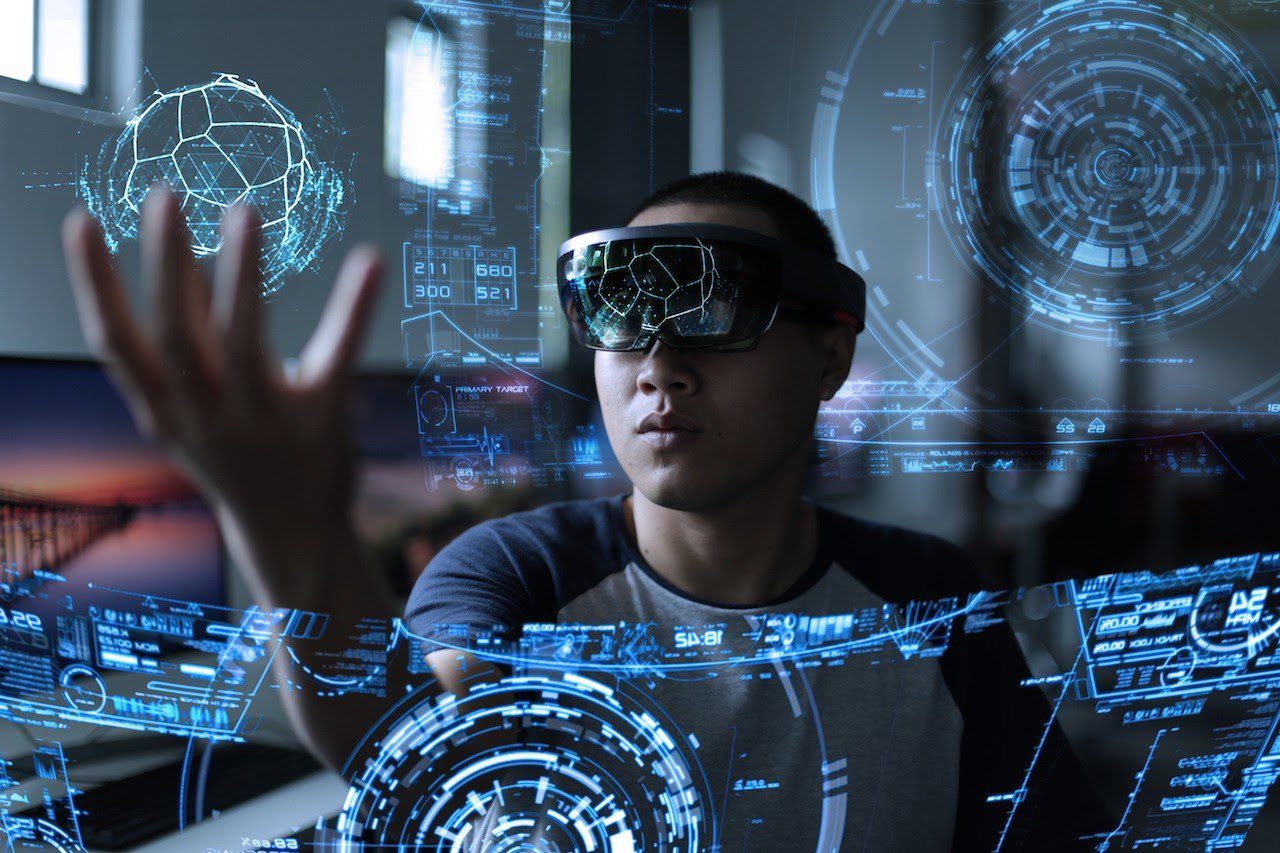
Esports technology evolves faster than almost any other entertainment sector because competitive gaming constantly rewards speed, precision, stability, and viewer engagement.
What started with basic LAN tournaments now involves AI analytics, cloud broadcasting, biometric tracking, ultra-fast monitors, and virtual production systems that resemble modern Formula 1 garages more than traditional gaming culture.
In the middle of this shift, platforms like RajBet noticed something important early: esports audiences care deeply about live data, momentum changes, and reaction speed.
That demand pushed the entire industry toward smarter infrastructure, more advanced viewing systems, and highly optimized competitive environments.
Hardware Turned Competitive Gaming Into Precision Engineering
The average esports fan usually notices flashy keyboards and giant monitors first, but professional players care more about consistency than appearance.
Small technical differences now influence reaction timing, aiming stability, movement precision, and even confidence during tournaments.
Modern esports organizations optimize entire gaming setups instead of single devices.
| Technology | What It Actually Feels Like During a Match |
| 360Hz and 540Hz monitors | Your enemy in Counter-Strike or Valorant looks smoother while moving, so tracking fast flicks feels more natural instead of blurry chaos |
| NVIDIA Reflex | Your click reaches the game faster, which matters when two players shoot almost simultaneously |
| Optical gaming switches | Key presses register instantly, helping movement-heavy games like Fortnite or Apex feel more responsive |
| AI cooling software | Keeps PCs stable during long tournaments so FPS does not suddenly collapse in the middle of a clutch round |
| Edge tournament servers | Reduces lag spikes, meaning your Dota 2 skill combo or League engage happens exactly when you press it |
| High polling-rate mice | Cursor movement feels more accurate during fast aiming, especially for sniper flick shots |
| Noise-isolated headsets | Blocks screaming crowds so players can still hear footsteps, reloads, or teammate calls clearly |
| SSD tournament systems | Maps, replays, and game files load faster and more consistently between matches |
| Frame synchronization software | Makes gameplay look smoother by preventing screen tearing and weird visual stutters during fights |
One practical example appeared during major Valorant tournaments, where tournament operators adjusted server routing and stage synchronization to avoid latency differences between teams. At elite level, even tiny delays create competitive complaints.
Technology investments in esports now focus heavily on stability factors players notice immediately:
- Input delay consistency
- Stable FPS under pressure
- Low-latency network routing
- Monitor ghosting reduction
- Mouse sensor precision
- Keyboard actuation speed
- Heat management during long matches
- Audio positioning clarity
- Backup tournament infrastructure
- Fast system recovery after crashes
The funny part is that some professional players now travel with personal USB settings, exact monitor brightness values, and customized mousepad positioning like musicians protecting instruments before a concert. Esports became extremely technical, but also strangely ritualistic.
At the same time, hardware brands increasingly use esports as real-world testing laboratories because professional players expose flaws faster than almost any consumer group.
AI and Analytics Changed How Teams Prepare
The biggest esports technology shift is not visible during broadcasts. It happens before matches begin. AI analysis systems now process movement patterns, reaction timing, economy management, tactical habits, and even communication efficiency.
Modern coaching staff increasingly operate like data departments.
| AI System | What It Tracks |
| Heatmap analytics | Preferred map movement |
| Aim tracking software | Flick accuracy and correction speed |
| Voice analysis tools | Communication efficiency |
| Replay AI systems | Tactical repetition patterns |
| Economy simulators | Buy-round probabilities |
| Biometric monitoring | Fatigue and stress |
| Performance dashboards | Individual consistency |
| Opponent databases | Strategic habits |
| Reaction testing systems | Cognitive sharpness |
Esports betting ecosystems connected to live statistical feeds and RajBets and similar platforms increasingly react to live economy swings, objective control, and player momentum rather than only scoreboard numbers because esports matches can change dramatically within seconds.
AI-driven systems now influence nearly every preparation stage:
- Opponent strategy prediction
- Utility timing analysis
- Clutch probability modeling
- Player fatigue monitoring
- Performance decline detection
- Map preference tracking
- Risk-taking behavior analysis
- Communication pattern review
- Tactical adaptation reports
Two decades ago, esports teams mostly relied on instinct and replay watching. Today, organizations sometimes process thousands of gameplay situations automatically before a tournament even starts.
Broadcasts evolved alongside this analytical boom:
| Broadcast Feature | What Viewers Actually Get |
| Live win probability | Shows which team is taking control |
| Economy graphics | Explains why teams save or force-buy |
| Damage heatmaps | Reveals who really carried fights |
| AI replay highlights | Instantly catches important moments |
| Multi-language subtitles | Makes streams easier globally |
| Real-time stat overlays | Adds deeper match context |
| Tactical minimap views | Helps viewers understand rotations |
| Automated highlight clips | Creates fast viral moments online |
The strange part is that players often dislike seeing their own data reports at first. Statistics can reveal uncomfortable things very quickly, especially when software proves reaction speed drops after long sessions or decision quality collapses under pressure.
Still, analytics became impossible to ignore because esports margins are now extremely small. One percentage improvement may decide tournament qualification.
Streaming Technology Changed Esports Into Global Entertainment
Competitive gaming became mainstream largely because streaming infrastructure improved at exactly the right moment. Faster internet, cloud broadcasting, mobile viewing, and AI production systems allowed esports to scale globally without relying on traditional television networks.
Modern esports production now combines gaming, sports broadcasting, and live internet culture simultaneously.
| Old Esports Broadcasts | Modern Esports Broadcasts |
| Static gameplay feed | Cinematic observer cameras |
| Basic commentary | Full analyst desks |
| Delayed statistics | Real-time AI overlays |
| Single-language streams | Global multilingual coverage |
| Manual replay clipping | Automated highlight generation |
| Desktop-only viewing | Mobile-first streaming |
| Simple stage lighting | Virtual production environments |
| Local event infrastructure | Cloud-based broadcasting |
Tournament production systems now rely on technologies that would have sounded absurd ten years ago:
- Unreal Engine virtual stages
- AI-generated highlight clips
- Cloud replay systems
- Real-time subtitle translation
- Adaptive mobile streaming
- Augmented reality graphics
- Live audience interaction systems
- Instant social media publishing
- Automated camera switching
- Low-latency global streaming
One major reason younger audiences connect strongly with esports is because the viewing experience feels interactive instead of passive. Fans follow live chats, prediction systems, statistics, fantasy competitions, and betting ecosystems while matches are still happening.
Modern tournaments also increasingly resemble Hollywood productions.
| Production Technology | Example | What It Actually Does |
| LED virtual stages | ROE Visual LED Walls | Makes esports arenas look larger and more cinematic |
| Real-time rendering engines | Unreal Engine 5 | Creates live animated graphics during broadcasts |
| AI camera systems | Sony Hawk-Eye AI Tracking | Automatically follows important in-game action |
| Cloud observer tools | AWS Cloud Production Systems | Lets broadcast teams work remotely |
| Mobile bitrate adaptation | Twitch Adaptive Streaming | Keeps streams smooth on weaker internet |
| Multi-feed broadcasting | YouTube Multiview | Gives viewers different camera angles |
| Automated subtitles | AI Caption by Google Cloud | Helps global audiences understand streams faster |
The most interesting part is that esports technology still evolves faster than audiences fully adapt to it. Features that feel futuristic during one tournament often become standard by the next season.
And despite all the AI overlays, biometric tracking, and cloud production systems, esports still occasionally creates chaotic moments where exhausted players celebrate victories like kids at a local internet café.
That contrast probably explains why competitive gaming still feels human underneath all the machinery.
Conclusion
Esports technology keeps evolving because competitive gaming rewards innovation immediately. Faster hardware, AI analytics, smarter broadcasting, and cloud infrastructure now shape how matches are played, watched, analyzed, and discussed globally.
The industry still feels unfinished in the best possible way. Every season introduces another system that changes player behavior, viewer expectations, or competitive strategy, usually about six months before everyone starts pretending it was normal all along.