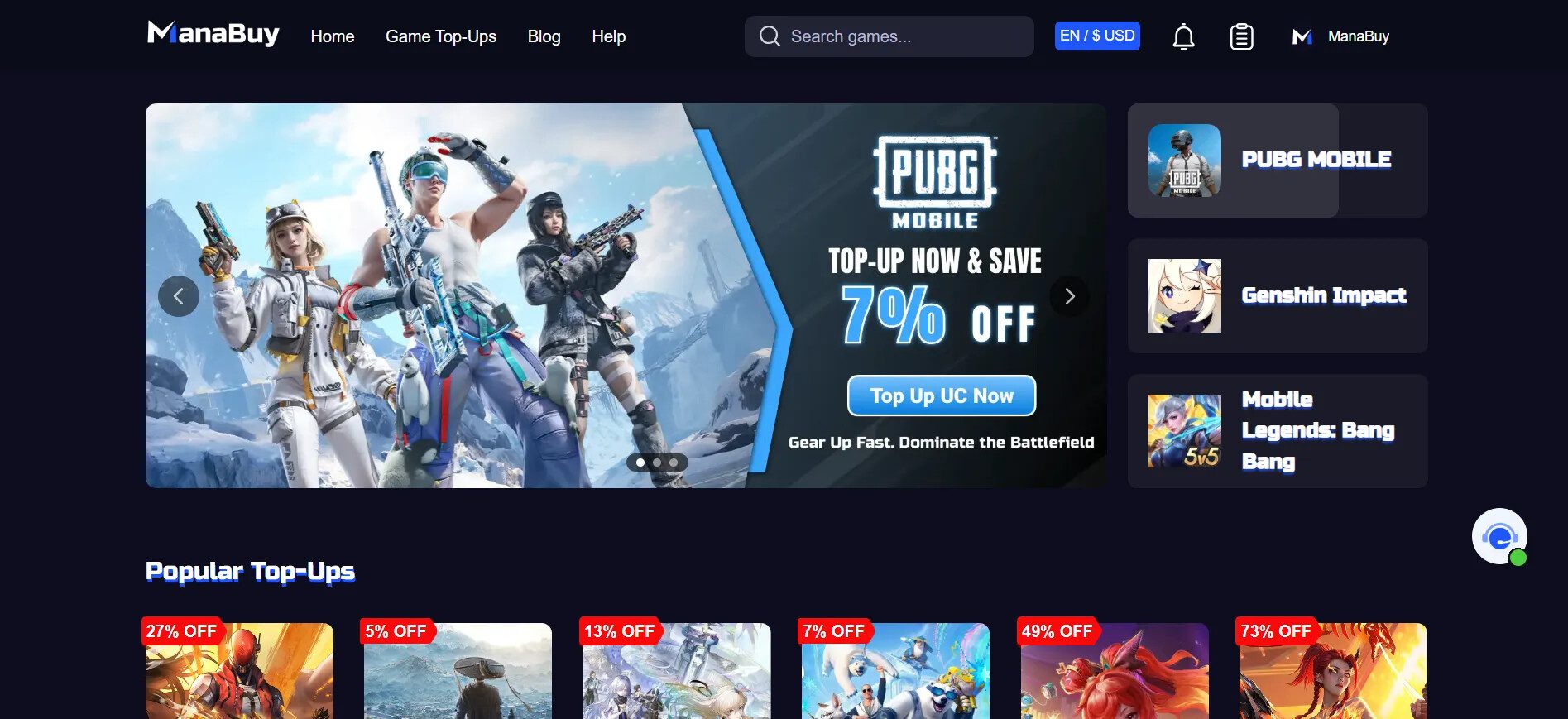
Mobile gaming has grown into one of the most active areas of digital commerce. What was once viewed mainly as casual entertainment is now a global consumer market built around live events, premium currencies, battle passes, skins, seasonal rewards, and recurring player engagement. In this environment, platforms such as ManaBuy are becoming part of a broader shift toward safer, faster, and more convenient game top-up experiences for players across different markets.
The rise of mobile game spending is not only a gaming story. It is also a payment story. Players in different countries do not all pay in the same way. Some prefer credit cards. Others rely on local wallets, mobile payment apps, PayPal, bank-based options, or currency-specific checkout methods. As gaming audiences become more international, the ability to offer localized payment support is becoming a practical advantage for platforms that serve digital entertainment users.
For mobile gamers, payment convenience is not a small detail. It can directly affect whether they complete a purchase, how confident they feel during checkout, and whether they return to the same platform later.
Mobile Gaming Has Become a Digital Commerce Market
Modern mobile games are no longer simple one-time downloads. Many popular titles operate as live-service ecosystems, where players return regularly for updates, ranked seasons, limited-time events, collaboration rewards, and premium content.
This model has changed how users spend. Instead of making a single large purchase, many players now make smaller, more frequent digital purchases based on what is happening inside the game. A player may buy currency for a weekly pass, a skin event, a lucky draw, a hero release, or a limited bundle. These transactions may be small individually, but together they represent a significant part of the mobile gaming economy.
That is why the checkout experience matters. If the payment process is confusing, slow, or poorly localized, players may abandon the purchase even when they are interested in the in-game content. A smooth payment flow helps reduce friction between the player’s intent and the final transaction.
Why Local Payment Options Matter to Players
Payment behavior is deeply local. A checkout method that feels normal in one market may feel unfamiliar or inconvenient in another. For example, card payments may be common for some users, while others may prefer local wallets or mobile-first payment tools.
When a platform supports payment options that match local habits, it gives users more confidence. Players are more likely to complete a purchase when they can recognize the payment method, understand the currency, and see the final cost clearly before confirming the order.
This is especially important in mobile gaming because many purchases happen quickly. Players may decide to top up during an event, before a pass resets, or while a limited-time reward is still available. If the checkout process requires extra steps or does not support a familiar payment method, the purchase can feel inconvenient at the exact moment when the player is ready to buy.
Game Top-Ups Are No Longer Just Simple Transactions
At first glance, a game top-up looks simple: choose a game, select a package, pay, and receive the currency. In practice, the process often includes several details that must be handled correctly.
Many games require specific information such as a User ID, Zone ID, UID, server, or region. Some games have product limits, platform differences, or delivery rules that players need to understand before payment. If the wrong information is entered, the order may be delayed or require support intervention.
This is why top-up platforms need more than basic payment access. They need clear product pages, account-detail guidance, transparent package information, and support channels that help users resolve issues when something goes wrong.
How ManaBuy Supports a Lower-Friction Purchase Experience
One of the main challenges in digital game commerce is reducing purchase friction. Players do not want to spend extra time figuring out what information is required or which payment method is available. They want the buying process to be direct, clear, and reliable.
ManaBuy focuses on this lower-friction experience by organizing game top-ups around the way players actually make purchase decisions. Instead of treating game credits as generic digital products, the platform helps users find game-specific top-up options, review package details, and complete orders with clearer checkout guidance.
This kind of structure matters because different games have different requirements. A player buying premium currency for one game may only need a UID, while another title may require both a User ID and Zone ID. Some games may involve server matching, regional availability, or product-specific instructions. Clearer guidance can reduce avoidable mistakes and make the purchase feel more manageable.
For returning users, saved purchase information can also make repeat orders easier. This is especially useful for players who regularly top up the same game or participate in recurring monthly and seasonal events.
Why MLBB Diamonds Are a Good Example of Event-Based Spending
Mobile Legends: Bang Bang is a strong example of how mobile game spending has become tied to events, skins, passes, and player identity. MLBB players often use Diamonds for heroes, skins, emotes, draw events, and products such as Weekly Diamond Pass.
Unlike a one-time game purchase, Diamond spending is often connected to a specific moment. A player may want to join a limited skin event, unlock a pass, prepare for a promotion, or buy a bundle before it disappears. That makes timing, package clarity, and payment convenience important parts of the experience.
Players looking for an MLBB diamonds top up should check the required account details carefully before payment. MLBB commonly uses both User ID and Zone ID, so accuracy matters. A small input mistake can create delays or require extra support.
This is where a clear top-up page becomes valuable. It helps users understand what information is needed, what package they are choosing, and how the order should be completed. For players, that clarity can be just as important as pricing.
Trust Is Becoming a Key Factor in Mobile Game Payments
As digital purchases become more common, players are paying closer attention to trust. Gaming accounts may contain years of progress, ranked history, rare skins, purchased items, and social connections. Because of that, players are cautious about where they enter account information and how they pay.
A safer purchase process should only ask for the information needed to complete the order. In many standard top-up scenarios, that may include a player ID, UID, server, region, or Zone ID. Players should be careful with any service that asks for unnecessary passwords, verification codes, or unrelated login access.
Trust also depends on communication. Users want to know what they are buying, how much they are paying, which account the currency will be delivered to, and what to do if the order does not appear immediately. Platforms that provide clearer instructions and responsive support are better positioned to build repeat users.
What Players Should Check Before Completing a Top-Up
Even when a top-up platform is easy to use, players should still take a short moment to review their order. Most problems come from small mistakes that can be avoided before payment.
- Check the game title: Make sure the selected product is for the correct game.
- Check account details: Review UID, User ID, Zone ID, server, or region before submitting.
- Check the package amount: Choose the amount that matches the in-game goal.
- Check the currency: Confirm whether the price is shown in the expected currency.
- Check the payment method: Use a payment option that is familiar and available in the user’s market.
- Check support access: Keep the order number or receipt in case help is needed later.
These checks only take a few minutes, but they can prevent delays, duplicate orders, or confusion after payment.
The Business Value of Localized Game Payments
For companies operating in the mobile gaming payment space, localization is not only a user-experience feature. It is a business advantage.
Localized payments can increase user confidence, improve checkout completion, and support long-term retention. When players can pay in a familiar way and understand the full cost before checkout, they are more likely to complete the transaction and return for future purchases.
This is particularly important in regions where mobile-first payment behavior is strong. Players who are used to local wallets or region-specific payment methods may not want to switch to unfamiliar checkout options just to buy game credits. Platforms that adapt to local behavior can serve these users more effectively.
In this sense, game top-ups are part of a wider digital commerce trend. Consumers expect online services to feel local, even when the product is global.
The Future of Mobile Game Top-Ups
The future of mobile game top-ups will likely be shaped by three major expectations: localization, transparency, and trust.
Localization means supporting the payment methods, currencies, and languages that players actually use. Transparency means making product details, account requirements, and final pricing easy to understand. Trust means handling orders carefully, avoiding unnecessary account access, and offering support when issues happen.
As mobile games continue to expand across regions, the platforms that succeed will be those that reduce friction without weakening confidence. Players want fast access to digital content, but they also want to feel that the process is safe, clear, and properly supported.
Final Thoughts
Localized payments are becoming an important part of the mobile game top-up market. As players spend more time in live-service games, they need purchase experiences that match their region, payment habits, and account requirements.
For business observers, this reflects a larger shift in digital commerce. Mobile gaming is no longer just entertainment; it is a global transaction environment where convenience, trust, and localization shape user behavior.
For players, the best top-up experience is straightforward: choose the right game, enter the correct account details, review the package, pay through a familiar method, and return to the game with confidence. Platforms that can support this process clearly and reliably will continue to play an important role in the future of mobile gaming commerce.