
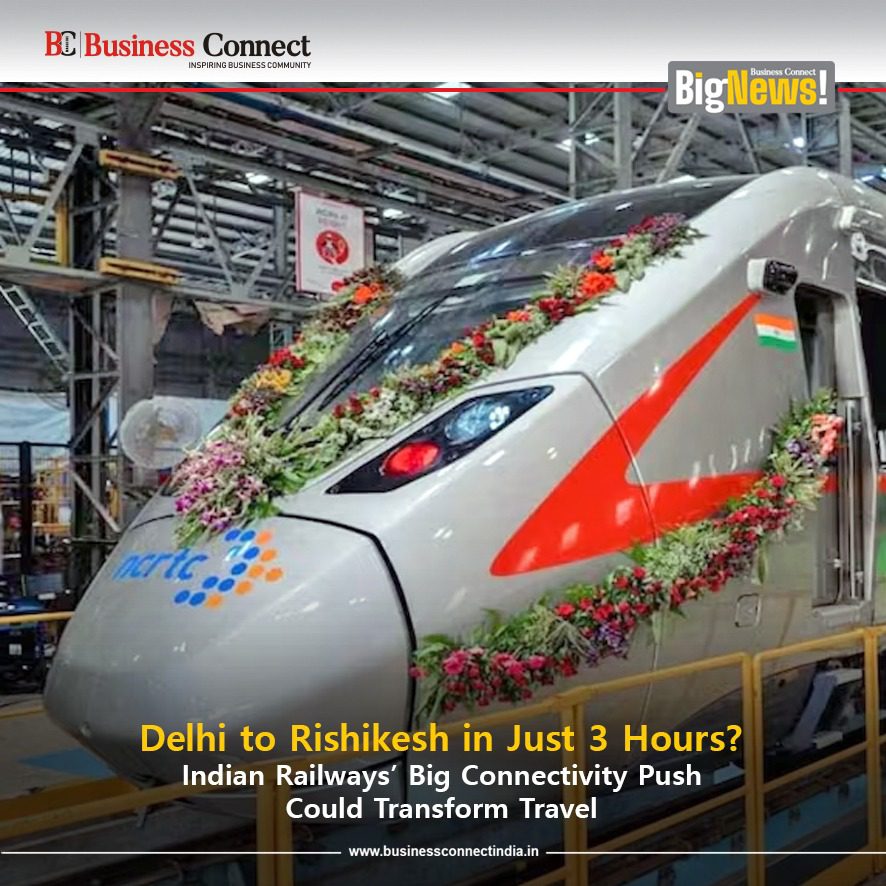
Namo Bharat Extension Plan Promises Faster Journeys, Tourism Growth, and New Economic Opportunities Across North India
In a move that could redefine regional travel in North India, Indian Railways is working on an ambitious plan to connect Delhi and Rishikesh in approximately three hours through the expansion of the Namo Bharat Regional Rapid Transit System (RRTS). The proposed extension is expected to significantly reduce travel time between the national capital and one of India’s most popular spiritual and tourism destinations.
Currently, travelers often spend five to six hours on the road to reach Rishikesh, depending on traffic conditions and seasonal rush. With the planned high-speed corridor extension from Meerut towards Haridwar and Rishikesh, the journey could become much faster, more comfortable, and highly predictable.
The proposal has gained momentum following discussions between Uttarakhand Chief Minister Pushkar Singh Dhami and Union Minister Manohar Lal Khattar. The project aims to extend the existing Delhi–Meerut Namo Bharat corridor further into Uttarakhand, strengthening connectivity between major urban centers and key pilgrimage destinations.
A Boost for Tourism and Local Businesses
The impact of the project could extend far beyond transportation. Rishikesh, often referred to as the “Yoga Capital of the World,” attracts millions of tourists, spiritual seekers, and adventure enthusiasts every year. Easier accessibility from Delhi-NCR is expected to increase tourist footfall, benefiting hotels, restaurants, local transport operators, wellness centers, and adventure tourism businesses.
Industry experts believe that improved connectivity could also stimulate real estate activity and encourage investments in hospitality infrastructure along the corridor. For businesses operating in Uttarakhand’s tourism ecosystem, the proposed rail link could open the door to a larger customer base and year-round travel demand.
Strengthening Regional Economic Corridors
The proposed expansion aligns with India’s broader vision of creating high-speed, integrated transportation networks that connect major economic and cultural hubs. Faster travel not only enhances passenger convenience but also supports workforce mobility, business travel, and regional economic development.
As India continues investing in modern rail infrastructure, projects like the Namo Bharat network are emerging as critical enablers of economic growth and sustainable urban development.
What Happens Next?
While the project is still moving through survey and approval stages, recent developments indicate growing support from both Uttar Pradesh and Uttarakhand authorities. Once the Detailed Project Report (DPR) and technical assessments are completed, the project could move closer to implementation.
If approved, the Delhi–Rishikesh rapid rail connection could become one of the most significant transportation upgrades in North India, offering faster access to a city that serves as a gateway to spirituality, wellness, and the Himalayan region.
For millions of travelers, weekend getaways to Rishikesh may soon become quicker than ever before.