
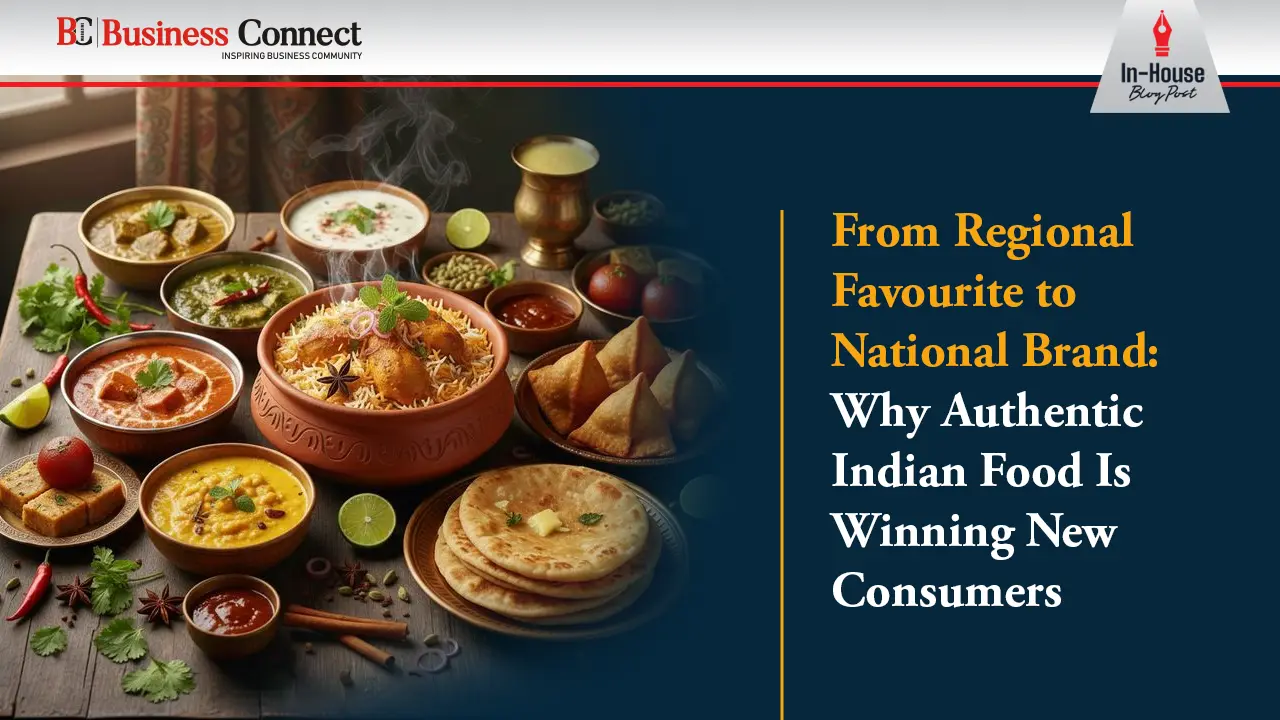
People’s food preferences are changing now; they are looking for regional recipes, locally sourced formulations, and health choices instead of Western-inspired products. As the demand is shifting, the emerging and established FMCG brands are focusing on exploring branding, scaling regional foods, and establishing them as national brands.
A pack of sattu that was just found in kitchens and local shops across eastern and northern India. It has now become a part of grocery shopping and is sold on supermarket shelves and quick commerce apps across metropolitan cities, with clean packaging and a brand name.
Bikaji, well-known for its Indian snack range, established a business empire around traditional Bikaneri snacks. The company got listed on the stock market in November 2022 and generated around 70% of its revenue from ethnic snacks.
Why Authenticity Became a Strong Reason
Most regional food was loose, unbranded, and local. Buyers had limited options to judge hygiene and ingredients; hence, they did not trust these products enough. Branded companies were monetising on that trust gap; now regional food companies are paying attention to this. They are adding a regional recipe with a printed ingredient list to answer a question that a loose packet cannot. And there have been positive results.
The organised traditional snacks market was valued at around ₹17,900 crore in 2022 to 23. The giant brand, Haldiram, held 40% of total market value. Crisil Ratings expects branded snacks to keep expanding as the unorganised food market formalises. Inside Bikaji itself, ethnic snacks grew 11.2% in FY26, while western snacks grew 6.8%.
The Process: From a Regional Favourite to a National Brand
To establish any product as a national brand, taste is not enough. The company needs to ensure optimum quality every time. When food brands scale across regions, the focus should be on improving packaging, retail formats and sales channels without touching the recipe.
For example, Bikaji first established a solid base in Rajasthan, Bihar and Assam, then it moved towards Delhi, Haryana, Punjab and Uttar Pradesh. With every step, the company keeps one thing in focus: the snack tastes the same as the customer remembers it, from a bigger batch, at a bigger distance. The growing brand of idli batter, iD Fresh, built its business with a strong distribution channel and freshness.
Change after a Brand Becomes National
After the brand starts flourishing nationwide, the market also moves under these brands. As per a NielsenIQ report on urban India, “smart snacking has increased 1.2 times faster than traditional snacks.” An authentic brand maintaining the recipe but ignoring labels, nutrition information, and pack sizes will witness the gap. While authenticity will always be a priority, the label, the pack and the price now carry similar weight. Sometimes, large factories can also affect the flavour that made a product special, and a brand that loses its unique taste loses the reason to be chosen.
Bikaji grew from a regional ethnic snacks maker into a multi-product FMCG company because of its taste that people already trusted. Founders and entrepreneurs looking for authentic Indian food like sattu, thekua, or pickles should be from the same place.
Frequently Asked Questions
What is considered authentic Indian food?
Authentic Indian food is simply the items coming from a specific region. They come with a unique set of ingredients, spices, and cooking methods specific to that place.
Why are regional Indian foods becoming popular across the country?
Migration and urban living are the two major driving forces behind regional food becoming famous. People move from villages and small cities to foreign countries and cities for work and studies, and they now want the flavours they grew up with. Better packaging and online delivery have further supported meeting these demands.
How does a regional food brand become a national brand?
The first step to turning a regional food into a national brand, it should have a fixed recipe that tastes the same in every batch. The next step is the right packaging to protect freshness, and the right distribution to reach new cities one step at a time.
Which authentic Indian food brand is globally recognised?
Haldiram’s is the most famous; its products are sold in more than 100 countries. In foreign markets, it is mostly operating across the US and West Asia. The second name in the list is Bikaji, the brand is expanding and creating its presence in international markets such as the US and Nepal.
Add Business Connect magazine to your Google News feed