
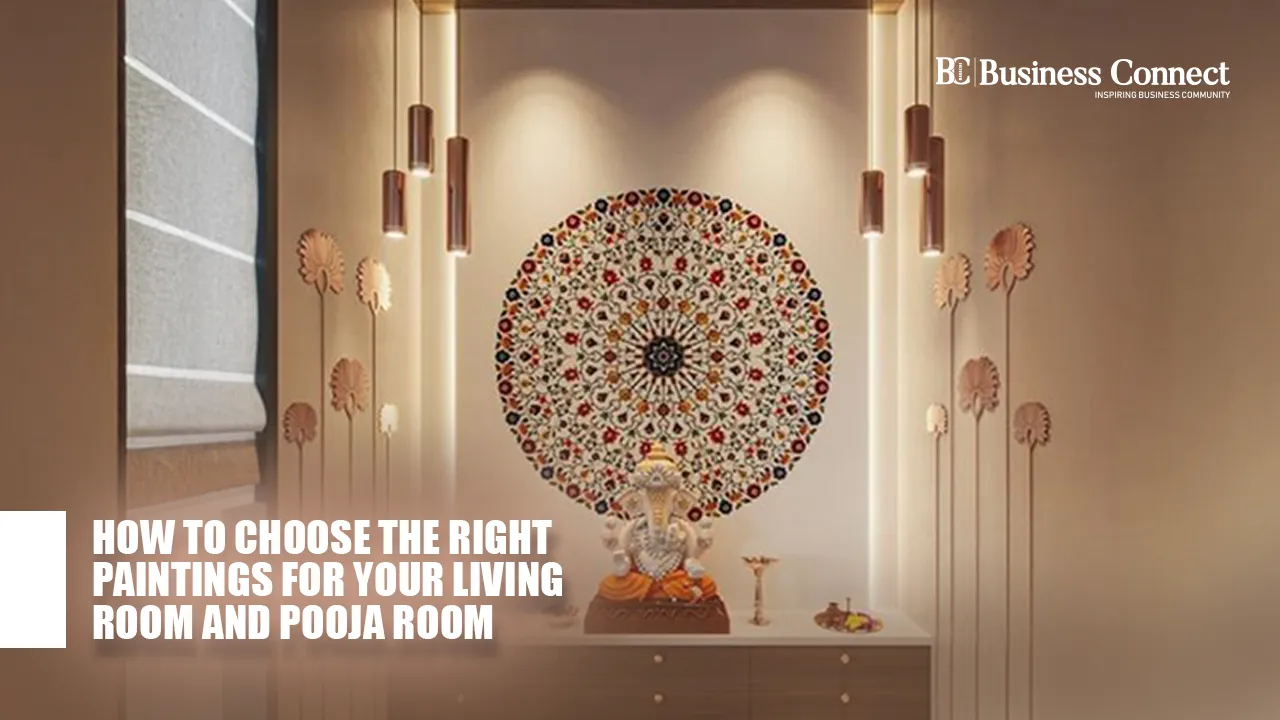
A house can be beautifully furnished and still feel incomplete when the walls are left empty. Furniture gives a room function, but wall art often gives it personality. The right painting can make a space feel warmer, more welcoming and more connected to the people living there.
However, choosing artwork is not always as simple as picking a design that looks attractive. A painting that works well in the living room may not create the same feeling in a pooja room. Each space has a different purpose, mood and visual style. The living room is usually social and expressive, while the pooja room is peaceful, spiritual and personal.
Understanding these differences can help you choose artwork that feels naturally suited to each part of your home.
Start by Understanding the Mood of the Room
Before looking at colours, sizes or subjects, think about how you want the room to feel.
A living room may need to feel lively, relaxed, elegant or cosy depending on how your family uses it. Some living rooms are designed for entertaining guests, while others are mainly used for watching television, reading or spending time together.
A pooja room has a more focused purpose. It should ideally create a calm environment where you can pray, meditate or simply pause for a few quiet moments. Artwork in this space should support that peaceful atmosphere rather than make the room feel visually busy.
Once you understand the mood, choosing a painting becomes much easier.
Choosing a Painting for the Living Room
The living room is often the first space guests notice, so the artwork here can influence the overall impression of your home.
Large blank walls usually need artwork with enough visual presence. A small painting on a wide wall can look lost, while an oversized piece in a compact room may feel overwhelming. The painting should be proportionate to the wall, furniture and available space.
For example, artwork placed above a sofa usually looks balanced when it covers roughly two-thirds of the sofa’s width. It should also be hung close enough to the furniture so that both elements feel connected.
When browsing a canvas painting for living room, consider the existing colours in your décor. The painting does not need to match every cushion, curtain or piece of furniture, but it should connect with at least one or two shades already present in the room.
Select a Subject That Reflects Your Personality
Living room artwork gives you an opportunity to show your interests and style.
Nature-inspired paintings can make the space feel fresh and relaxing. Abstract artwork can bring movement, colour and a modern feel. Traditional Indian art can add cultural depth, while spiritual or symbolic paintings may create a sense of positivity.
There is no single subject that works for every home. The best choice is usually one that feels meaningful to you rather than simply following a current trend.
If you enjoy calm interiors, landscapes, floral paintings or soft abstract designs may suit your space. If your décor is bold and contemporary, colourful abstract art or large statement pieces can become the focal point of the room.
Pay Attention to Colour Without Overmatching
Many people try to match their artwork perfectly with the rest of the room. This can sometimes make the décor look too planned.
Instead, think in terms of colour connection. A painting may include a shade similar to your sofa, rug, curtains or accent chairs. Even a small colour link can make the artwork feel like part of the room.
Neutral living rooms can handle artwork with brighter colours because the painting becomes an accent. Rooms that already have patterned upholstery or strong wall colours may look better with simpler artwork.
Lighting also affects how colours appear. Warm lights can make reds, oranges and golds look richer, while natural daylight may highlight blues, greens and softer shades.
Choosing Artwork for the Pooja Room
Artwork in a pooja room should feel peaceful, respectful and spiritually meaningful.
Unlike living room art, which may be chosen mainly for decoration, pooja room paintings are often selected because of the emotions, beliefs and symbolism connected to them.
Lord Ganesha is commonly associated with wisdom, prosperity and the removal of obstacles. A thoughtfully selected ganesha painting for pooja room can become an important visual element in the prayer space without making it feel overly decorated.
Choose a design that feels calm and clear. Paintings with balanced compositions, gentle expressions and warm colours often work well in spiritual areas. Extremely busy backgrounds or overly dramatic colours may distract from the quiet mood of the room.
Consider the Direction and Placement
Placement is especially important in a pooja room because the artwork should complement the altar rather than compete with it.
The painting can be placed behind the main prayer area, on a nearby wall or above a small console used for lamps and spiritual items. Make sure it is positioned at a comfortable viewing height and does not appear squeezed between shelves or decorative objects.
Avoid overcrowding the wall with multiple unrelated images. A few carefully selected pieces usually create a more peaceful and organised look than a large collection of paintings.
The frame should also suit the setting. Wooden, gold-toned or simple traditional frames can work well, depending on the rest of the pooja room décor.
Create a Visual Connection Between Both Spaces
The living room and pooja room do not need identical artwork, but they can still share a common visual language.
For example, both rooms may feature paintings with warm earthy colours, traditional details or elegant wooden frames. This creates consistency across the home while allowing each space to maintain its own mood.
A modern living room may feature an abstract canvas, while the pooja room includes a traditional spiritual painting. They can still feel connected through similar frame colours, background shades or artistic textures.
Artociti offers artwork across decorative and spiritual themes, making it easier to select pieces that suit different rooms while maintaining a consistent home décor style.
Avoid Choosing Artwork Only for Empty Walls
A common mistake is selecting a painting simply because a wall looks empty. This can lead to buying artwork that does not really suit the room.
Take time to understand the wall, surrounding furniture and overall atmosphere. Measure the available area before purchasing anything. Check whether the artwork will be viewed from a distance or from nearby, as this can influence the ideal size and level of detail.
It also helps to imagine how the painting will look during different times of the day. A piece placed near a window may receive strong daylight, while artwork in a pooja room may be seen mainly under warm lamps.
Conclusion
The right wall art should do more than cover an empty space. In the living room, it can bring colour, character and a sense of balance. In the pooja room, it can create a calm and meaningful atmosphere that supports prayer and reflection.
Focus on the purpose of each room, choose appropriate colours and sizes, and select subjects that genuinely connect with you. When artwork feels personal and thoughtfully placed, it naturally becomes part of the home rather than looking like an added decoration.
Take a moment to review your walls, measure the available space and choose paintings that reflect both your décor and the feeling you want each room to create.