
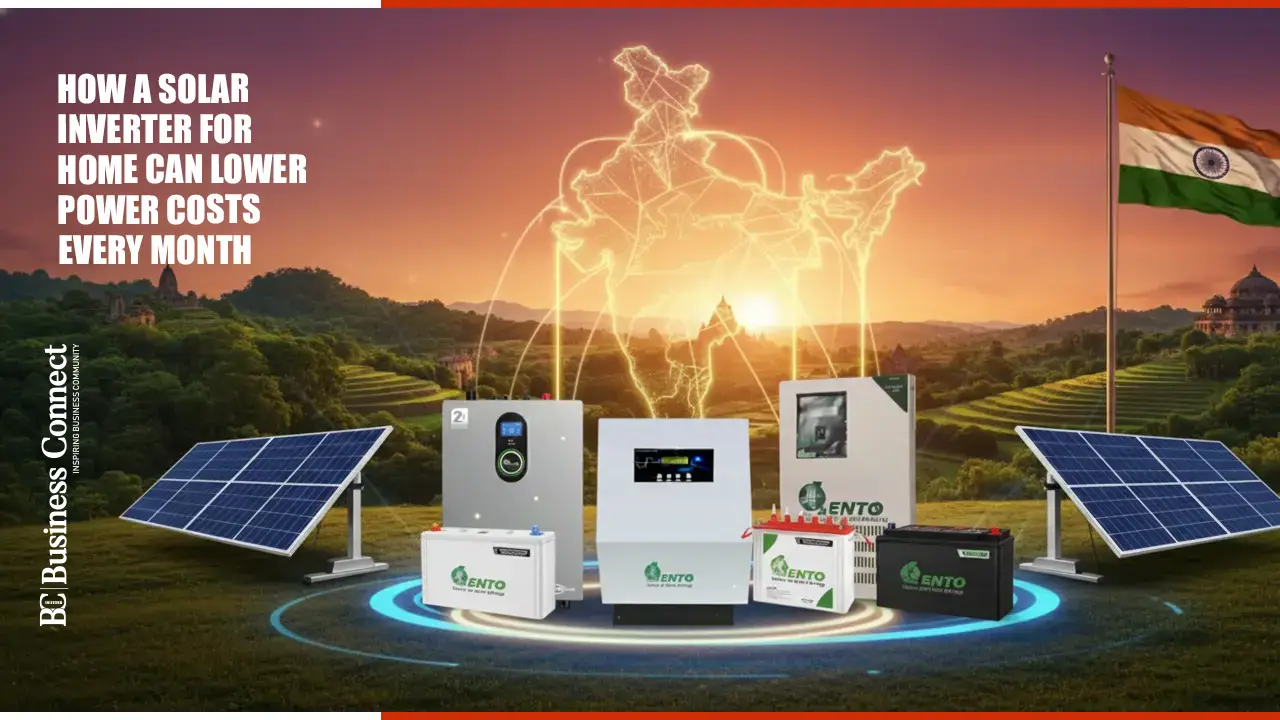
Power costs continue to be a concern for many households, encouraging homeowners to explore practical ways to improve energy efficiency. While solar panels often receive the greatest attention, the equipment that manages and converts the energy they generate plays an equally important role in overall system performance.
A solar inverter for the home ensures that the electricity produced by solar panels can be used safely and efficiently for everyday appliances. The quality and performance of this component can influence energy savings over time, helping households make better use of the electricity they generate. Understanding its role can help homeowners make informed decisions before investing in a solar system.
Let’s explore how a solar inverter for the home can contribute to lowering monthly electricity costs while improving overall energy efficiency.
5 Practical Ways a Solar Inverter for the Home Helps Reduce Monthly Electricity Bills
The following factors explain how choosing the right solar inverter for the home can improve energy management and contribute to long-term savings.
- Converts Solar Energy with Greater Efficiency
A solar power system performs best when energy conversion losses are kept to a minimum. The primary function of a solar inverter for a home is to convert Direct Current (DC) generated by solar panels into Alternating Current (AC) used by household appliances.
High-efficiency inverters convert a larger share of available solar energy into usable electricity. This allows homeowners to depend less on grid electricity during daylight hours, leading to noticeable reductions in monthly electricity bills. Efficient energy conversion also ensures that the solar panels deliver their full potential throughout the year.
- Optimises Energy Production Throughout the Day
Solar energy production changes as sunlight intensity shifts during different times of the day. Advanced inverter technology helps maximise power generation by continuously adjusting to these changing conditions.
Many modern systems include Maximum Power Point Tracking (MPPT), which identifies the ideal operating point for the solar panels. This feature enables the solar inverter for the home to capture available sunlight efficiently, even during cloudy conditions or partial shading.
This allows the system to make better use of available sunlight throughout the day, improving overall energy output. Consistent optimisation supports reliable electricity generation even when weather conditions are less favourable. Improved energy harvesting means households can generate additional usable electricity without increasing the size of the solar installation, improving overall savings month after month.
- Reduces Dependence on Grid Electricity
One of the biggest advantages of installing a solar inverter for the home is the ability to use self-generated electricity for everyday household activities.
When solar energy powers lighting, kitchen appliances, cooling systems, and other electrical equipment during daylight hours, the need to purchase electricity from the grid decreases. Lower grid consumption naturally leads to reduced monthly electricity bills.
This consistent use of solar power helps improve overall energy efficiency while keeping monthly electricity expenses under control.
In homes equipped with battery storage, excess solar energy can also be stored for evening use. It extends the financial benefits beyond daylight hours while improving overall energy utilisation.
- Supports Better Monitoring and Energy Management
Many modern solar inverters include intelligent monitoring features that provide homeowners with detailed information about system performance and electricity generation.
Real-time monitoring allows users to identify periods of high electricity usage and adjust appliance usage accordingly. A solar inverter for the home with smart monitoring capabilities also makes it easier to detect system issues before they affect energy production.
Consistent monitoring encourages better energy habits, helping households improve efficiency while maintaining lower electricity expenses over the long term.
- Improves Long-term System Performance
A reliable inverter contributes significantly to the overall health of a solar power system. Stable voltage regulation, built-in safety protections, and efficient power management reduce unnecessary strain on connected equipment.
A high-quality solar inverter for the home helps maintain consistent system performance while reducing the likelihood of energy losses caused by voltage fluctuations or equipment faults. This steady operation supports reliable electricity generation across different seasons and weather conditions.
Consistent performance also helps the entire solar system operate efficiently, supporting dependable energy generation over the long term. Strong long-term performance allows homeowners to continue benefiting from lower electricity costs while reducing maintenance requirements throughout the system’s lifespan.
Building Long-term Savings with the Right Solar Inverter
Lower electricity bills often result from consistent system performance. Choosing a reliable solar inverter for the home allows households to improve energy conversion, manage electricity consumption effectively, and maximise the value of their solar investment over time.
Solar solutions from brands like Eastman Auto & Power Limited offer homeowners access to technologies designed to support efficient residential energy systems. Selecting quality equipment, combined with proper installation and routine maintenance, helps maintain dependable performance for years. A well-planned solar setup can deliver reliable performance while supporting long-term energy goals.
Thus, as energy needs grow, investing in a dependable solar inverter for the home can help reduce monthly power costs while improving energy efficiency.