
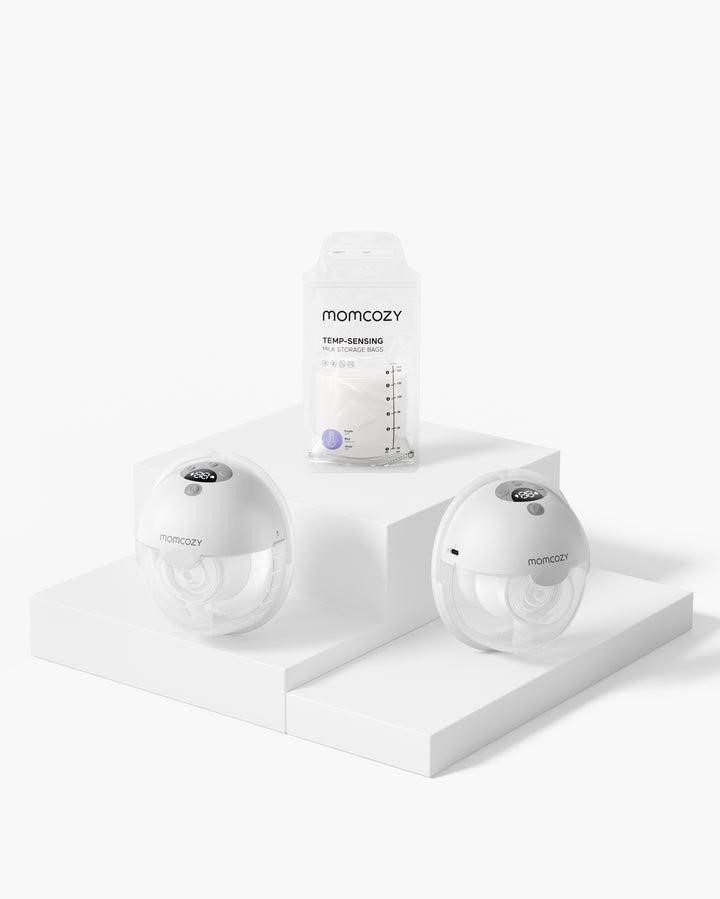
Picture this: you’re finally sitting down to pump, only to find yourself anchored to a wall outlet, tubes tangled, bulky machine whirring beside you while the baby monitor lights up. For countless new mothers, traditional pumping feels less like a solution and more like a second job. It’s time-consuming, physically restricting, and uncomfortable in ways nobody warned you about during those prenatal classes.
That’s exactly where wireless breast pumps are changing the game. These compact, wearable devices slip into your nursing bra and let you pump while folding laundry, joining a work call, or simply moving through your day without a second thought. No cords, no outlet hunting, no being frozen in place for twenty minutes at a stretch.
But here’s the catch: the market is flooded with options, each promising to be the ultimate hands-free solution. Sorting through the noise when you’re sleep-deprived and time-strapped feels overwhelming. This guide is designed to cut straight through that confusion. You’ll find a clear breakdown of what wireless pumps actually are, which factors genuinely matter for your lifestyle, and a practical step-by-step process to confidently choose the pump that fits you — not just the one with the flashiest marketing.
What is a Wireless Breast Pump? Understanding the Technology
A wireless breast pump — often called a wearable or hands-free pump — is a compact, self-contained pumping device designed to sit directly inside your nursing bra without any external tubes, cords, or wall connections. Unlike traditional electric breast pumps, which rely on a separate motor unit plugged into an outlet and connected to your body via a network of tubing, wireless pumps integrate everything into a streamlined cup that you simply wear. That fundamental design shift is what makes them genuinely transformative rather than just a minor upgrade.
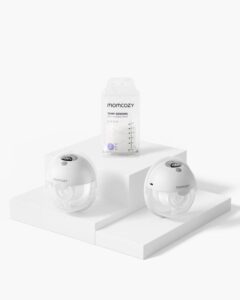
Traditional pumps have long defined the pumping experience for most mothers: find an outlet, assemble the tubing, position the flanges, and stay largely immobile for the duration of each session. The motor sits on a table or hangs from a bag, and any movement risks disrupting suction or spilling milk. It works, but it demands your full attention and a fixed location every single time.
Wireless pumps solve this by consolidating the technology into two core components. First, there are the wearable collection cups — shaped to sit flush against your breast inside your bra, with built-in flanges that create the seal needed for suction. Second, nestled within each cup is a small, rechargeable motor unit that drives the entire pumping mechanism. Some models house the motor inside the cup itself, while others attach a compact controller that clips nearby. Either way, the result is the same: true mobility. You can pump during a work meeting, on a commute, or while making breakfast, with nothing visible and nothing holding you in place.
Key Factors to Consider When Choosing Your Wireless Pump
Comfort and Fit: The Non-Negotiables
No matter how impressive a pump’s specs look on paper, it means nothing if wearing it feels wrong. Flange size is the single most important fit factor — using the wrong diameter can reduce milk output, cause soreness, and even lead to blocked ducts over time. Most pumps include one or two standard sizes, but many brands now offer extended sizing kits or silicone inserts to fine-tune the fit. Beyond size, pay attention to the material of the cup lining. Softer, food-grade silicone flanges tend to feel far more forgiving during longer sessions. You’ll also want to consider the weight of each cup, since heavier units can shift inside your bra mid-session, breaking the seal and disrupting suction at the worst possible moments.
Efficiency and Performance: Getting the Job Done
A comfortable pump that doesn’t drain your supply efficiently becomes frustrating fast. Look for models that offer both a stimulation mode — short, rapid cycles that mimic a baby’s initial latch to trigger letdown — and a deeper expression mode that transitions into slower, stronger draws to maximize milk removal. Adjustable suction levels are equally critical, as the right intensity varies from person to person and even from session to session depending on engorgement. Some mothers find wearable pumps yield slightly less output than hospital-grade machines, so reading verified reviews from exclusively pumping moms specifically can give you a realistic sense of what to expect before committing.
Portability and Discretion: The Wireless Advantage
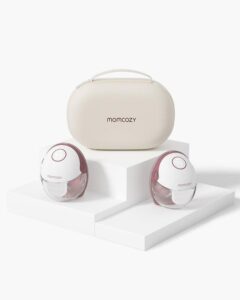
This is where wireless pumps genuinely shine — but only if the execution matches the promise. Battery life should comfortably cover at least two to three full sessions per charge, which matters enormously on busy workdays or travel. Noise level is worth testing if possible; a quiet motor is the difference between pumping during a conference call and excusing yourself entirely. Many current models also pair with a smartphone app for tracking session duration, volume, and pumping history — brands like Momcozy have leaned into this feature set to help moms monitor supply trends without keeping a separate log. Finally, consider assembly and cleaning complexity — fewer parts mean faster setup and less time scrubbing components between sessions when you’re already running on limited sleep.
Your Step-by-Step Guide to Finding “The One”
Step 1: Assess Your Personal Pumping Lifestyle
Before browsing a single product page, spend ten minutes honestly mapping out how and where you’ll actually pump. Are you exclusively pumping because of latch difficulties or personal preference? Then suction efficiency and battery life become your top priorities, since you’re relying on the pump to do everything a nursing baby would. Returning to work in an office? Noise level and discretion matter more than almost anything else. Just looking for occasional relief or supplemental pumping to build a freezer stash? You have more flexibility on performance specs and can prioritize comfort and ease of cleaning instead. Write your answers down. This self-assessment transforms an overwhelming comparison into a focused checklist of must-haves versus nice-to-haves, so you stop evaluating features that simply don’t apply to your daily reality.
Step 2: Research and Compare Top Models
Once you know your priorities, build a simple comparison chart with four or five models listed across the top and your key criteria — flange sizes available, battery life, noise rating, suction levels, app connectivity, and number of parts to clean — running down the side. Fill it in using brand websites, but don’t stop there. Manufacturer descriptions are marketing; real user reviews are data. Seek out forums and communities specifically for pumping mothers, and pay close attention to reviews from women whose pumping situation mirrors yours. An exclusively pumping mom’s review of output efficiency is far more relevant than a general five-star rating. Look for patterns across reviews rather than outliers, and note any recurring complaints about durability or customer service, since a pump that stops working after three months is no bargain at any price.
Step 3: Know Where to Buy and How to Get It Covered
Many new mothers in the United States don’t realize that the Affordable Care Act requires most insurance plans to cover at least one breast pump at no cost. Call your insurer directly before purchasing anything, and ask specifically whether wearable pumps are included — some plans distinguish between standard and wearable models and may cover a different tier than you’d expect. If insurance covers part of the cost, services like Aeroflow Breastpumps can streamline the claims process considerably. For out-of-pocket purchases, major retailers like Buy Buy Baby and Amazon frequently offer return windows of thirty to sixty days, which gives you real-world testing time. Always confirm the return policy before buying, because a pump that looks perfect in reviews may simply not fit your body the way you need it to.
Top Wireless Breast Pump Models for New Moms in 2025
With your priorities mapped and your comparison chart ready, having a few concrete starting points can save hours of initial research. Think of these models not as definitive recommendations but as well-established benchmarks to measure everything else against.
The Elvie Pump is consistently praised for its ultra-quiet motor and slim profile, making it a top pick for moms who pump at work or in shared spaces. Its trade-off is a learning curve with flange sizing — getting the fit right takes patience, and the app-based controls can feel unintuitive at first.
The Momcozy S12 Pro appeals to moms looking for strong, adjustable suction without the premium price tag. It handles higher output demands reasonably well and offers generous flange size options. The downside is that it runs slightly louder than competitors and is bulkier under fitted clothing.
The Willow Go sits in the middle ground — quieter than most mid-range options and compatible with standard milk storage bags, which simplifies the post-session routine considerably. However, some users report the battery depletes faster than advertised under heavy daily use.
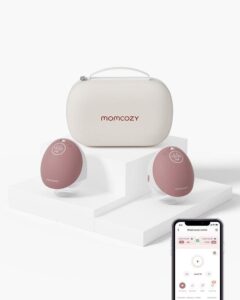
Each of these represents a different trade-off between performance, discretion, and value. Use them as anchors in your comparison chart, then let your Step 1 self-assessment decide which trade-offs you can genuinely live with.
Making Your Pumping Choice with Confidence
There’s no single best wireless breast pump — only the one that fits your body, your schedule, and your unique pumping reality. What works beautifully for a mom who exclusively pumps full-time may be entirely wrong for someone looking for quiet, occasional relief during a workday. That’s not a flaw in the market; it’s just the nature of something this personal.
The good news is that making a confident choice doesn’t require guesswork. Start by understanding what a wireless pump actually is and how it outpaces traditional alternatives in mobility. Then weigh the factors that matter most to you — flange fit, suction performance, battery life, and ease of cleaning. Run through the three-step process: assess your lifestyle honestly, build a real comparison using verified reviews, and explore your insurance coverage before spending a dollar out of pocket.
The right wireless pump won’t just make feeding your baby easier — it will quietly give back something that early motherhood has a way of taking: the freedom to move through your day on your own terms. That’s worth getting right.