
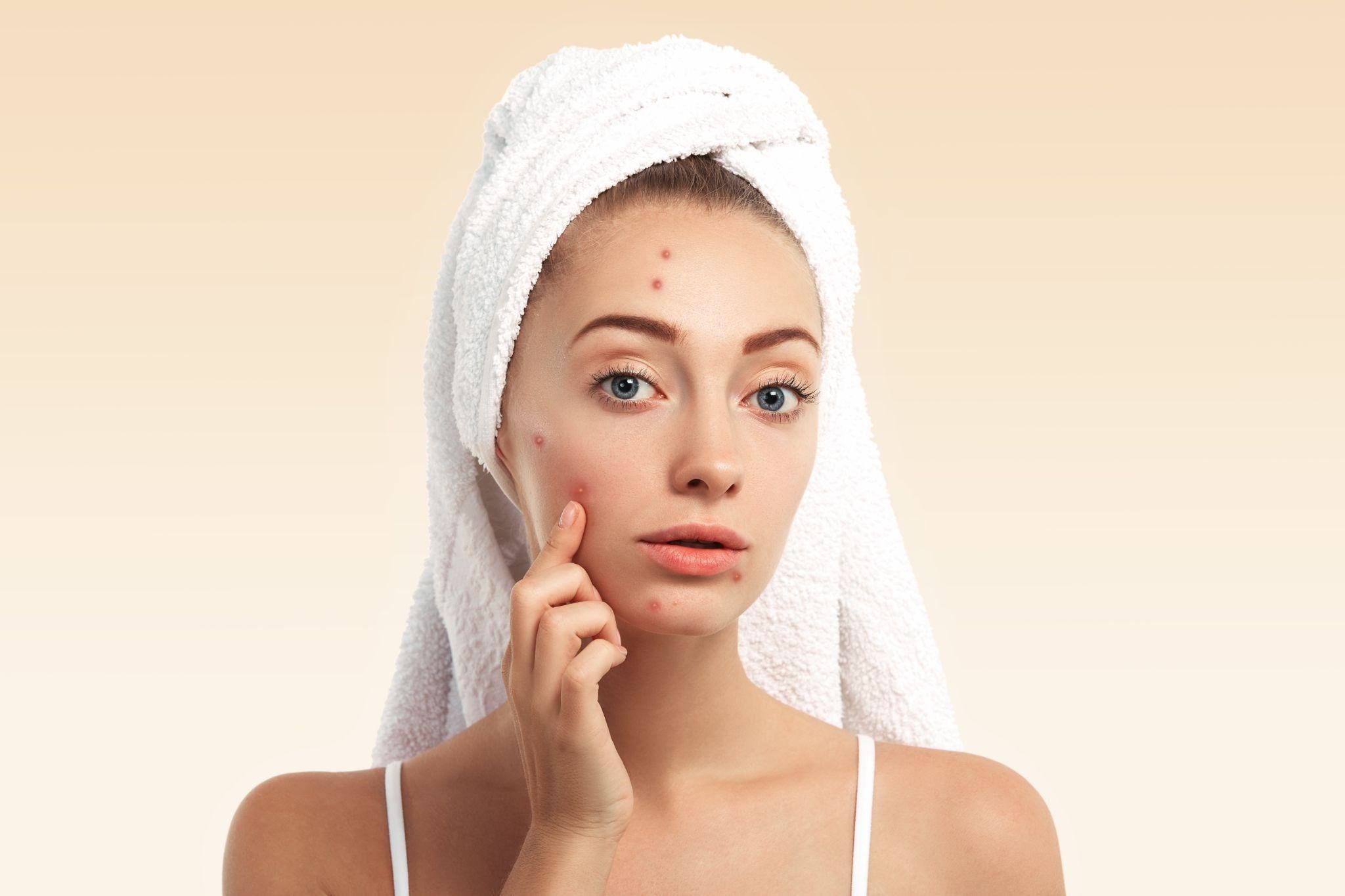
You just got your eyebrows threaded, and everything looked clean and defined. Then a day or two later, small bumps show up along the same area. It feels frustrating, especially when you did everything right. But this kind of skin reaction is more common than most people realise, and it usually has less to do with the threading itself and more to do with how your skin responds to the process.
Understanding what is actually happening beneath the surface makes it easier to manage these breakouts and, over time, prevent them from coming back.
Why Threading Causes Pimples in the First Place
Threading removes hair from the root by pulling it out with a twisted cotton thread. This process creates tiny openings at each follicle and causes minor trauma to the surrounding skin. When those follicles are exposed, they become temporarily more vulnerable to bacteria, oil, and environmental debris.
This is not a sign that threading is harmful. It simply means your skin needs a little extra care in the hours before and after the session. The breakouts that follow are often a combination of follicle irritation, bacteria transfer from the skin surface, and the skin barrier responding to physical stress.
According to the British Association of Dermatologists, any procedure that disrupts the skin surface or hair follicle can trigger a localised inflammatory response, which may appear as redness, swelling, or small pustules. This is your skin’s natural defence mechanism at work.
The Role of Your Skin Barrier
Your skin barrier is the outermost layer of the skin. Its job is to keep moisture in and irritants out. When threading happens, even briefly, it puts stress on this layer. If your skin barrier is already weakened from over-exfoliation, harsh cleansers, or dehydration, the reaction after threading can be more intense than expected.
People with sensitive or acne-prone skin tend to notice more post-threading breakouts because their barrier is already working harder than it should be. The goal is not to avoid threading altogether but to support the skin so it can recover more easily.
It is also worth noting that what some people assume are pimples after threading could sometimes be folliculitis, which is inflammation of the hair follicle, or even a deeper skin response. Understanding the difference between a boil vs pimple can help you figure out what your skin is actually experiencing and avoid treating it the wrong way.
Common Mistakes That Make It Worse
Most people reach for strong products the moment they see breakouts forming. This is often where the situation escalates unnecessarily.
- Applying heavy creams or makeup immediately after threading blocks freshly opened follicles
- Using alcohol-based toners on freshly threaded skin strips away moisture and adds irritation
- Over-exfoliating the area in the days following the session disrupts the skin further
- Touching the skin repeatedly transfers bacteria to already sensitive follicles
- Using multiple active ingredients like acids and retinol right after threading overwhelms the barrier
The skin needs a short window to calm down after threading. Overloading it with products during this phase tends to worsen the reaction rather than resolve it.
What Your Skin Actually Needs After Threading
The approach that tends to work best is one focused on calming the skin rather than treating it aggressively. For the first 24 to 48 hours after threading, simplicity is the priority.
- Rinse the area gently with cool water to soothe and reduce redness
- Apply a gentle, fragrance-free moisturiser to restore the skin barrier
- Use a clean, cool cloth or ice wrapped in cloth to reduce swelling if needed
- Avoid sun exposure on freshly threaded skin, as it becomes more photosensitive
- Skip any active ingredients until the skin has settled
Some skincare approaches, like those from Clear Ritual, focus on keeping routines simple and barrier-supportive, especially during skin recovery phases, rather than adding too many active products at once. This kind of thinking is particularly relevant after procedures like threading.
For a deeper look at how to handle breakouts that appear specifically after threading, this guide on How to cure pimples after threading covers practical steps that support skin recovery without overcomplicating things.
How to Prevent Post-Threading Breakouts
Prevention is mostly about preparation and the right habits around your threading session.
- Clean the skin gently before going for threading to remove excess oil and surface bacteria
- Ask your threading professional to use a clean thread and sanitised tools every time
- Avoid threading during a breakout, as it can spread bacteria and worsen inflammation
- Do not apply any heavy products before the session, as they can clog follicles during the process
- Moisturise the area the night before to ensure the skin barrier is in a better state going in
Consistency in your basic skincare routine between sessions also plays a role. A skin barrier that is well-maintained is more resilient and tends to recover faster after any kind of physical stress.
Final Thoughts
Pimples after threading are a common and generally manageable skin response. They are usually not a sign that something has gone seriously wrong. They are your skin signalling that it has been through something and needs a little support to recover.
The most effective response is a calm one. Fewer products, gentler care, and a bit of patience tend to do more than a complicated treatment plan. Over time, with consistent and mindful skincare, your skin builds the kind of resilience that makes post-threading breakouts less frequent and less severe.
Skin health is built gradually, and small consistent choices around moments like this are what make the biggest difference in the long run.
Add Business Connect magazine to your Google News feed